Ammonia-Free Hair Color: Benefits for Your Hair
What Is Ammonia-Free Hair Color & How Does It Benefit Your Hair?
Hair color has become a regular part of personal grooming for many people. Some use it to cover grey hair, while others simply enjoy experimenting with a fresh shade or changing their look from time to time. But as people become more conscious about the products they use on their hair, one term is appearing more often on hair color packaging: ammonia-free hair color.
It sounds straightforward, but what does ammonia-free actually mean? Does it make hair color completely damage-free? And is it really better for your hair?
Understanding how ammonia-free hair color works can help you make a more informed choice the next time you decide to color your hair.
What Is Ammonia-Free Hair Color?
Traditional permanent hair colors often use ammonia as an alkalizing agent. Its job is to increase the pH of the hair and help open the outer layer of the hair strand, known as the cuticle. This allows color pigments to enter the hair more effectively.
Ammonia-free hair color performs a similar function without using ammonia.
Instead, these formulas usually contain alternative alkalizing ingredients that help the coloring process take place. Depending on the formulation, ingredients such as monoethanolamine, commonly called MEA or ethanolamine, may be used.
Therefore, “ammonia-free” does not mean that no chemical process takes place. It simply means that ammonia itself has not been used as the alkalizing ingredient in the formula.
The overall experience can be different, particularly in terms of smell and comfort during application.
Why Is Ammonia Used in Hair Color?
To understand why ammonia-free hair color has become popular, it helps to know what ammonia traditionally does.
Each strand of hair has an outer protective layer called the cuticle. For permanent hair color to change the natural shade of the hair, the formula needs to allow coloring agents to reach deeper into the hair shaft.
Ammonia creates an alkaline environment that helps lift the cuticle. Once the cuticle is opened, the coloring ingredients can work inside the hair.
The downside is that ammonia has a very noticeable, sharp smell. Some people may also find ammonia-based formulas uncomfortable on the scalp or unpleasant to use because of the fumes.
This has encouraged hair color manufacturers to develop formulations that achieve similar coloring results without relying on ammonia.
How Does Ammonia-Free Hair Color Work?
Ammonia-free hair color follows essentially the same basic coloring process as conventional permanent color.
An alternative alkalizing ingredient increases the pH of the formula and helps prepare the hair to accept color. The colorants then interact with the hair to create the desired shade.
Depending on the type of product, developer or hydrogen peroxide may also be used as part of the coloring process.
This is an important distinction. Ammonia-free hair color should not automatically be considered “chemical-free” or completely harmless to hair.
Hair coloring still involves chemical reactions, especially when the goal is permanent color, grey coverage or significant changes in shade.
What ammonia-free technology may offer is a different and often more comfortable coloring experience.
Benefits of Ammonia-Free Hair Color
There are several reasons people choose ammonia-free hair color.
1. Less Pungent Smell During Application
One of the first things most people notice is the difference in smell.
Ammonia has a distinctive, strong odor that can make the hair coloring process uncomfortable, particularly when coloring hair indoors.
Since ammonia-free formulas do not contain ammonia, they generally avoid this characteristic smell. Other ingredients in the formula may still have their own scent, but the experience can feel noticeably more pleasant.
For people who dislike the strong odor associated with traditional hair coloring, this can be one of the biggest advantages.
2. A More Comfortable Coloring Experience
Some people find traditional ammonia-based hair colors harsh or uncomfortable during application.
Ammonia-free formulas are often developed with user comfort in mind. While individual reactions can vary depending on the ingredients and scalp sensitivity, many people prefer the overall experience of using an ammonia-free formulation.
However, irritation or allergic reactions are still possible with any hair dye.
Always follow the manufacturer’s safety instructions and perform the recommended allergy alert or patch test before every application.
3. Suitable for Regular Hair Coloring Routines
Grey roots can start becoming visible only a few weeks after coloring, meaning many people need regular touch-ups.
For frequent users, the smell and feel of hair color can make a significant difference to the overall experience.
An ammonia-free hair color may be an appealing option for people who color their hair regularly and prefer a formula without the characteristic ammonia odor.
Following the recommended gap between coloring sessions and maintaining a good hair care routine remain important.
4. Can Help Hair Feel More Manageable
Modern ammonia-free hair colors are often formulated with conditioning ingredients, oils or other hair care components.
These ingredients may help the hair feel smoother and more manageable after coloring.
However, this varies considerably between products. The condition of your hair after coloring depends on several factors, including your existing hair health, the formula used, your chosen shade and how you care for your hair afterwards.
Ammonia-free hair color should therefore be seen as part of a wider hair care routine rather than a guarantee against dryness or damage.
5. Available in a Wide Range of Shades
Choosing ammonia-free hair color no longer means having only a limited number of shades available.
Modern formulations are available across natural black, brown, burgundy, red and many other color families.
Depending on the product and your starting hair shade, ammonia-free colors may also provide grey coverage and long-lasting results.
Always check the individual product instructions because color performance, processing time and grey coverage can vary between formulas.
Is Ammonia-Free Hair Color Completely Damage-Free?
This is probably the biggest misconception surrounding ammonia-free hair color.
The answer is no.
Ammonia-free does not automatically mean damage-free.
Permanent hair coloring changes the structure or chemistry of the hair to some extent. Even without ammonia, the formula may contain other alkalizing agents and oxidizing ingredients necessary for permanent color development.
The amount of dryness or damage you experience depends on several factors, including:
- The condition of your hair before coloring
- How frequently you color your hair
- Whether your hair has previously been bleached or chemically treated
- The strength and formulation of the hair color
- Whether you follow the recommended processing time
- Your post-color hair care routine
Choosing the right formulation is important, but how you treat your hair before and after coloring matters just as much.
Ammonia-Free vs Ammonia-Based Hair Color
Both types of hair color are designed to provide effective coloring results, but the experience may differ.
Ammonia-based hair color uses ammonia to create the alkaline environment needed during permanent coloring. It has been widely used for decades and can provide effective color development and grey coverage.
Ammonia-free hair color uses other alkalizing ingredients instead of ammonia. The most noticeable difference for many users is the absence of the strong ammonia smell.
Which option suits you better will depend on your hair condition, scalp comfort, preferred shade and coloring requirements.
Rather than choosing based on one ingredient alone, look at the complete formulation and follow the product’s usage instructions carefully.
Who Can Consider Ammonia-Free Hair Color?
Ammonia-free hair color may be worth considering if you:
- Dislike the strong smell of traditional hair color
- Color your hair regularly
- Want to cover grey hair
- Prefer an ammonia-free formulation
- Want a more comfortable at-home coloring experience
- Are looking for modern permanent or semi-permanent coloring options
People with sensitive scalps should not assume that ammonia-free means hypoallergenic.
Hair color products can contain ingredients such as oxidative dye intermediates that may trigger allergic reactions in some individuals.
Always perform the required allergy test before using a hair color, even if you have used the same brand or shade previously.
How to Care for Hair After Coloring
Whichever type of hair color you choose, post-color care can help maintain both the appearance and feel of your hair.
Use a mild shampoo suitable for colored hair and avoid washing your hair excessively. Conditioning regularly can help keep the lengths and ends feeling softer.
You can also use a hair serum or leave-in conditioner to improve manageability and reduce the appearance of dryness.
Frequent use of straighteners, curling tools and high-temperature blow-drying may contribute to dryness, particularly on chemically treated hair. Using heat protection and keeping styling temperatures moderate can help.
Protecting your hair from excessive sun exposure can also help maintain the appearance of your chosen shade for longer.
Does Ammonia-Free Hair Color Last as Long?
Color longevity depends more on the type of hair color than simply whether it contains ammonia.
Permanent ammonia-free hair colors can provide long-lasting results because they are designed to alter the hair color through an oxidative coloring process.
Semi-permanent and temporary colors naturally fade faster.
Your hair type, shampooing frequency, exposure to sunlight, styling habits and the particular shade you choose can also affect how long the color remains vibrant.
Checking the product label will give you a clearer idea of whether a particular ammonia-free color is temporary, semi-permanent or permanent.
Choosing the Right Hair Color for You
Before selecting any hair color, consider your natural hair shade, percentage of grey hair, previous chemical treatments and the result you want to achieve.
If you only want subtle grey coverage, your requirements may be very different from someone who wants to lighten naturally dark hair or completely change their existing shade.
Always read the instructions provided with the product carefully.
If your hair is heavily bleached, damaged or has undergone several chemical treatments, consulting a professional hairstylist before making another major color change can also be helpful.
Ammonia-free hair color offers an alternative to traditional ammonia-based coloring, particularly for people who want to avoid ammonia’s strong smell and prefer a different coloring experience.
It can provide attractive shades, grey coverage and long-lasting color depending on the product formulation.
However, the term “ammonia-free” should not be confused with “chemical-free” or “damage-free.” Hair coloring is still a chemical process, and the overall health of your hair depends on the complete formula, correct application, frequency of coloring and proper aftercare.
Ultimately, the best hair color is one that matches your hair needs, desired result and comfort preferences.
With the right product, realistic expectations and a good post-color care routine, ammonia-free hair color can be a convenient way to refresh your look while making the hair coloring experience more pleasant.

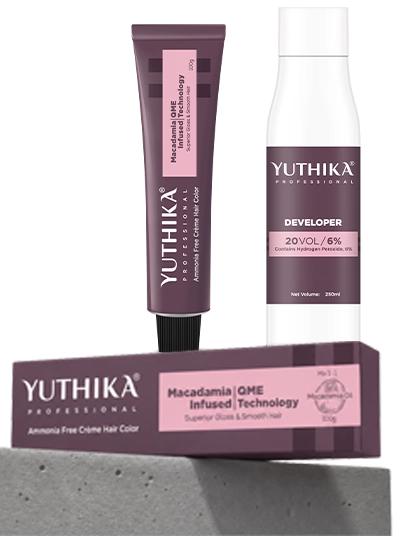
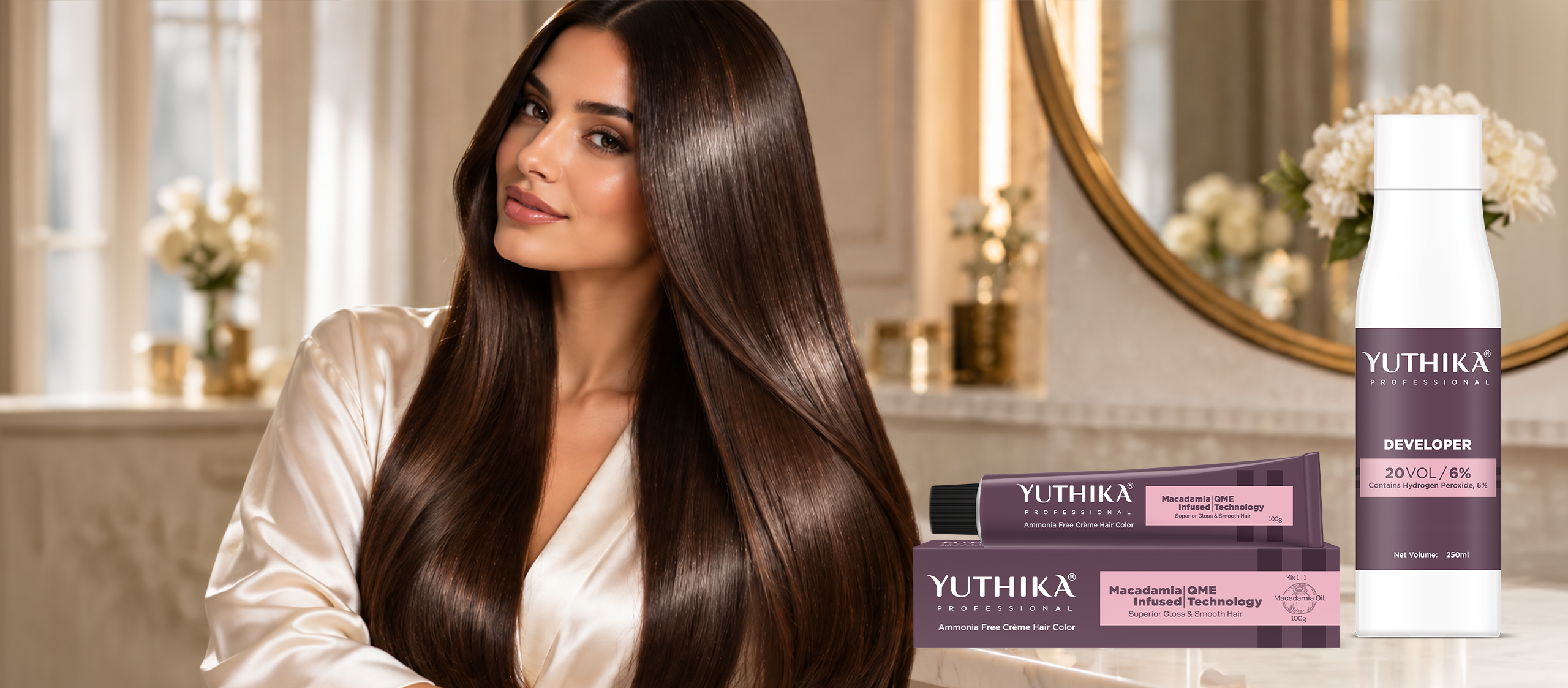
 Yuthika Professional Crème Hair Color
 Yuthika Highlift
 Evano Beard Color Creme
 CosGlam
 Yuthika Ultracare Range
 Yuthika Vertix Range
 Yuthika Argan Oil
 Nish Daily Care Range