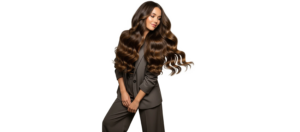
The Science of Sulfate-Free Haircare: Fact vs. Myth
Sulfates have long been a controversial topic in the haircare industry. Many shampoos and cleansers contain sulfates, while “sulfate-free” products are increasingly popular. But what’s the real story? Are sulfate-free shampoos genuinely better for your hair, or is it just marketing hype?
Let’s break down the science, separate fact from myth, and help you make informed choices for healthier hair.
What Are Sulfates?
Sulfates are synthetic detergents used in shampoos to create lather and remove oils, dirt, and impurities. Common examples include:
- Sodium Lauryl Sulfate (SLS)
- Sodium Laureth Sulfate (SLES)
While sulfates are effective cleansers, they are also known to strip natural oils from the scalp and hair, potentially causing dryness and irritation.
Myths About Sulfate-Free Haircare
Myth 1: Sulfates Are Always Bad for Hair
- Fact: Sulfates are safe for most hair types when used in moderation. They effectively remove excess oil and buildup.
- However, they can be harsh for dry, color-treated, or chemically processed hair, leading to frizz, fading color, or dryness.
Myth 2: Sulfate-Free Shampoos Don’t Clean Properly
- Fact: Sulfate-free shampoos use milder surfactants derived from natural sources like cocamidopropyl betaine.
- These gentle cleansers effectively remove dirt and oils without stripping hair of its natural moisture.
Myth 3: Sulfate-Free Haircare Is Only for Sensitive Scalps
- Fact: While sensitive or irritated scalps benefit from sulfate-free formulations, everyone can enjoy gentle cleansing, especially those seeking long-term hair health and color preservation.
Benefits of Sulfate-Free Haircare
- Maintains Hair Color – Sulfate-free shampoos are less likely to fade hair dye.
- Reduces Frizz and Dryness – Preserves natural oils, leaving hair softer and shinier.
- Gentler on Scalp – Minimizes irritation, dryness, and flakiness.
- Supports Hair Strength – Less stripping helps maintain healthy hair structure, reducing breakage.
- Safe for Natural & Herbal Ingredients – Preserves the benefits of oils, henna, and botanical extracts.
Ideal Candidates for Sulfate-Free Haircare
- People with dry or brittle hair
- Individuals with color-treated or chemically processed hair
- Those with sensitive or irritated scalps
- Anyone seeking natural or herbal haircare products
Tips for Using Sulfate-Free Haircare Products
- Transition Slowly – Hair may feel different during the first few washes; give it time to adjust.
- Pair With Conditioning – Use a nourishing conditioner or hair mask to enhance softness and shine.
- Avoid Overwashing – Sulfate-free shampoos are gentle enough for frequent use but don’t overwash; 2–3 times a week is ideal.
- Combine With Natural Oils – Coconut, almond, or argan oils complement sulfate-free care, restoring hydration.
Sulfate-free haircare is not a marketing gimmick—it’s a gentler, more sustainable way to maintain hair health. While sulfates aren’t inherently harmful, switching to sulfate-free products can make a significant difference for dry, color-treated, or sensitive hair.
By choosing sulfate-free shampoos and combining them with nourishing conditioners and herbal treatments, you can enjoy soft, vibrant, and healthy hair all year round.

 Yuthika Professional Crème Hair Color
 Yuthika Highlift
 Evano Beard Color Creme
 CosGlam
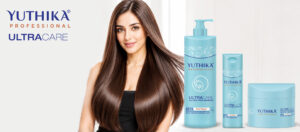
 Yuthika Ultracare Range
 Yuthika Vertix Range
 Yuthika Argan Oil
 Nish Daily Care Range