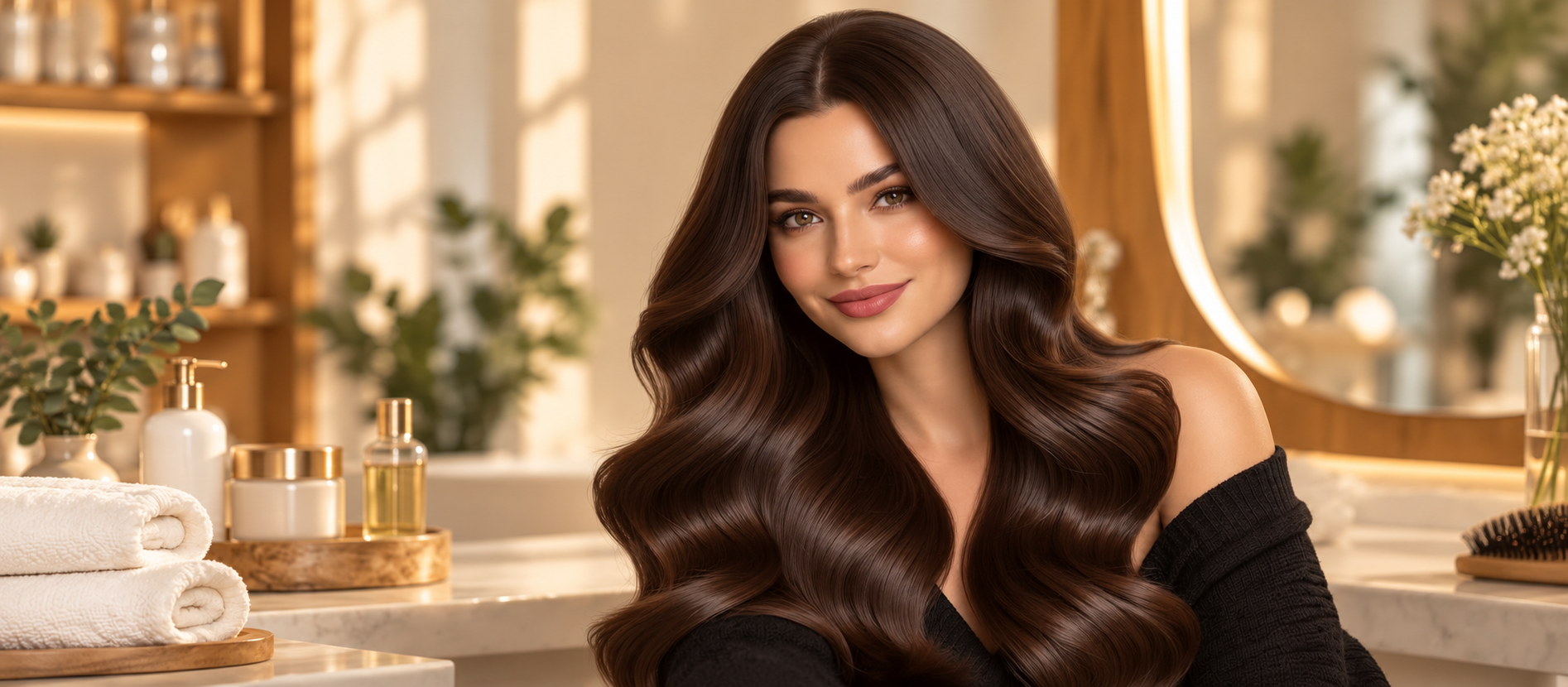
Hair Care for Damaged Hair: Repair and Protect Your Hair
Damaged hair can look dry, rough, dull and difficult to manage. Regular heat styling, hair color, chemical treatments, pollution, sun exposure and incorrect hair care can weaken the hair over time. The good news is that a consistent hair care routine can help improve the appearance, softness and manageability of damaged hair.
If your hair feels brittle, frizzy or breaks easily, it is important to focus on gentle cleansing, regular nourishment, moisture and protection. This guide explains a simple hair care for damaged hair routine that you can follow at home.
What Causes Hair Damage?
Hair can become damaged because of several everyday habits and environmental factors. Common causes include:
- Frequent use of straighteners, curlers and blow dryers
- Repeated hair color or chemical treatments
- Washing hair with very hot water
- Excessive brushing or rough towel drying
- Sun exposure and pollution
- Lack of moisture and conditioning
- Using unsuitable hair care products
- Skipping heat protection before styling
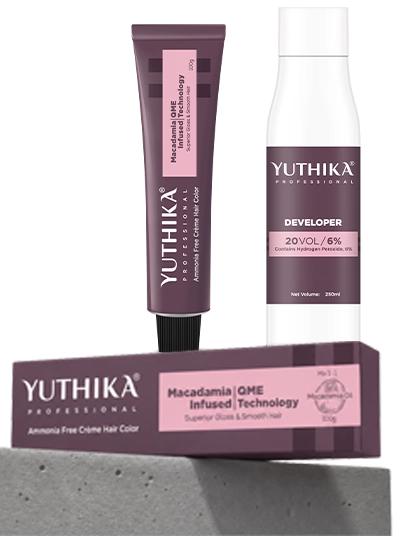
Hair color itself does not have to mean unhealthy hair. However, colored hair needs proper aftercare to help maintain its appearance, softness and shine.
Step-by-Step Hair Care Routine for Damaged Hair
Step 1: Choose a Gentle Shampoo
Cleansing is the first step in a good hair repair routine. Avoid aggressive washing and choose a shampoo designed for dry, damaged or chemically treated hair.
The Yuthika Professional Ultracare Repair Shampoo is designed to cleanse while helping damaged, dry and chemically treated hair feel smoother and more manageable. It also supports moisture balance and helps reduce the appearance of breakage.
Wet the hair thoroughly, massage shampoo gently into the scalp and work the lather through the lengths. Rinse well and avoid rubbing the hair harshly.
Step 2: Use a Sulfate-Free Shampoo When Needed
If your hair is colored, chemically treated or particularly fragile, a sulfate-free option can be a useful part of your routine.
The Ultracare Sulfate-Free Shampoo provides gentle cleansing and is formulated with Meadowfoam Seed Oil and Pro-Vitamin B5. It is also designed for color-treated and chemically treated hair.
Using a suitable cleanser helps prevent excessive dryness while supporting smoother and more manageable hair.
Step 3: Deep Condition Your Hair
Shampoo cleans the hair, but damaged strands also need regular conditioning and nourishment. Add a deep-conditioning treatment to your weekly routine.
The Ultracare Repair Hair Mask is formulated for damaged, dry and chemically treated hair. Its formula includes Meadowfoam Seed Oil, Pro-Vitamin B5 and Sodium PCA to provide moisture and help improve softness, smoothness and manageability.
Apply the mask mainly to the mid-lengths and ends, leave it according to the product directions and rinse thoroughly. Regular use can make dry and rough hair feel softer and easier to manage.
Step 4: Reduce Heat Styling
Heat is one of the common reasons hair becomes dry and brittle. Try to reduce the use of straighteners, curling irons and high-temperature blow drying.
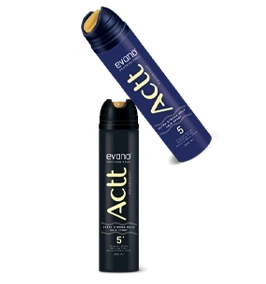
When heat styling is necessary, use a heat protection spray before styling. A heat-protection step can help reduce exposure to styling stress and should be part of a protective hair care routine.
Keep the temperature moderate and avoid repeatedly passing a hot tool over the same section of hair.
Step 5: Protect Hair After Hair Color
If you regularly use hair color, aftercare becomes especially important. Colored hair can become dry when exposed to frequent washing, heat styling and environmental stress.
Use a gentle cleanser, condition regularly and avoid unnecessary heat. A sulfate-free routine can also help support color-treated hair and maintain a smoother appearance.
For best results, choose a hair color and aftercare routine based on your hair condition rather than focusing only on the shade.
Simple Habits to Prevent Further Hair Damage
Small changes can make your daily hair care routine more effective.
Avoid Very Hot Water
Use lukewarm water when washing your hair. Very hot water can leave the hair feeling dry and rough.
Be Gentle With Wet Hair
Wet hair is more delicate. Avoid aggressive brushing immediately after washing. Use a wide-tooth comb and gently work through tangles from the ends upward.
Dry Hair Carefully
Do not vigorously rub wet hair with a towel. Instead, gently squeeze out excess water and allow the hair to dry naturally whenever possible.
Trim Split Ends
Regular trims can help remove visibly split and damaged ends and make the hair look neater and healthier.
Protect Hair From the Sun
Long exposure to strong sunlight can contribute to dryness and dullness. Cover your hair when spending extended periods outdoors.
Hair Care Mistakes to Avoid
Even a good routine can become less effective if you continue habits that increase damage. Avoid:
- Washing hair with very hot water
- Using heat tools every day
- Skipping conditioner
- Brushing aggressively
- Applying too many styling products
- Coloring hair repeatedly without proper aftercare
- Ignoring dry or split ends
- Using products that are unsuitable for your hair type
A simple routine followed consistently is often better than using too many products at once.
How to Maintain Healthy Hair After Hair Color
Hair color can enhance your appearance, but maintaining the condition of colored hair requires regular care. Use a gentle shampoo, condition the lengths and protect the hair from excessive heat.
The website’s professional hair care range includes repair, sulfate-free and treatment-focused options designed for different hair needs.
If your hair is colored and damaged, focus on moisture, gentle cleansing and protection rather than washing too frequently or using multiple harsh treatments together.
Frequently Asked Questions
1. How can I repair damaged hair naturally?
Follow a consistent hair care routine with gentle cleansing, regular conditioning, reduced heat styling and protection from environmental stress. Trimming severely split ends can also improve the overall appearance of damaged hair.
2. How often should I use a hair mask for damaged hair?
A hair mask can generally be included once or twice a week, depending on your hair condition and the product directions. Very dry or chemically treated hair may benefit from regular deep-conditioning care.
3. Is sulfate-free shampoo good for colored and damaged hair?
A sulfate-free shampoo can be a suitable choice for colored, dry or chemically treated hair because it provides gentle cleansing. Choose a formula designed for your specific hair needs.
4. Does hair color damage hair?
Hair color can contribute to dryness or weakness depending on the coloring process and the condition of the hair. Proper preparation and consistent aftercare can help maintain softness, manageability and shine.
5. How can I prevent hair breakage?
Reduce excessive heat, avoid rough brushing, condition regularly, keep the hair moisturized and use suitable protective products. Regular trims can also help manage visibly damaged ends.
Build a Consistent Hair Care Routine
Damaged hair needs consistent care rather than complicated steps. Start with gentle cleansing, follow with regular conditioning, use a nourishing hair mask and protect your strands from excessive heat and environmental stress.
If you use hair color, pay extra attention to moisture and gentle cleansing to help maintain both the appearance of your color and the condition of your hair. With the right hair care products and simple daily habits, dry, rough and damaged hair can look smoother, softer and healthier over time.
The key is consistency. A simple hair care for damaged hair routine followed regularly can help protect your strands and maintain beautiful, manageable hair.

 Yuthika Professional Crème Hair Color
 Yuthika Highlift
 Evano Beard Color Creme
 CosGlam
 Yuthika Ultracare Range
 Yuthika Vertix Range
 Yuthika Argan Oil
 Nish Daily Care Range