Hair Care Mistakes That Can Damage Your Hair
Healthy, shiny and manageable hair does not only depend on the products you use. Your daily habits also play an important role. Some common hair care mistakes can make hair dry, weak, frizzy and more prone to breakage. Over time, these mistakes can also affect the appearance and longevity of hair color.
Whether your hair is natural, chemically treated or colored, following the right routine can help maintain its strength, softness and shine. From excessive heat styling to washing hair too often, small mistakes can make a big difference.
Let’s understand the most common hair care mistakes and simple ways to avoid them.
1. Washing Your Hair Too Frequently
One of the most common hair care mistakes is washing the hair too often. Frequent washing can remove natural oils that help keep the scalp and hair moisturized. It can leave the lengths feeling dry and may make colored hair lose its freshness faster.
Instead, choose a washing schedule based on your scalp and hair type. If your hair is oily, you may need more frequent cleansing, while dry or chemically treated hair may need less frequent washing.
For colored hair, using a gentle cleansing routine is especially important. A sulfate-free shampoo can help cleanse the hair while supporting softness and color maintenance. The Yuthika Professional Ultracare Sulphate-Free Shampoo is designed for gentle cleansing and maintaining the vibrancy of salon-colored hair.
2. Using Too Much Heat on Your Hair
Regular use of straighteners, curling irons and high-temperature blow dryers can make hair dry and brittle. Excessive heat can affect the hair’s outer layer and contribute to split ends and breakage.
How to Avoid Heat Damage
- Use lower or moderate heat whenever possible.
- Avoid using hot tools on wet hair.
- Apply suitable heat protection before styling.
- Give your hair regular breaks from heat styling.
- Do not repeatedly pass a straightener over the same section.
If your hair has been colored or chemically treated, reducing unnecessary heat is even more important. Healthy-looking hair helps hair color appear smoother and more vibrant.
3. Skipping Conditioner
Another common mistake is shampooing without conditioning. Shampoo cleans the hair, but conditioner helps improve softness, manageability and smoothness.
Skipping conditioner regularly can make the lengths feel rough and tangled. This can increase friction during brushing and styling, which may contribute to breakage.
Apply conditioner mainly to the mid-lengths and ends rather than heavily applying it to the scalp. Leave it on for the recommended time and rinse properly.
4. Ignoring Deep Hair Treatment
Conditioner may not always be enough for dry, damaged or chemically treated hair. Hair that has been exposed to hair color, bleaching, heat styling or environmental stress may benefit from a deeper treatment routine.
A hair mask can provide more intensive conditioning than everyday conditioner. The Yuthika Professional Hair Treatment range includes intensive masques, serums and professional solutions designed for weak, damaged and dull hair.
How Often Should You Use a Hair Mask?
For many people, once a week is a good starting point. However, the ideal frequency depends on your hair type and condition. Fine hair may need less product, while dry or chemically treated hair may benefit from regular deep conditioning.
5. Coloring Damaged Hair Without Assessing Its Condition
Hair color can transform your look, but coloring should be approached carefully when the hair is already weak or severely damaged.
One of the biggest mistakes is choosing a hair color without considering the existing condition of the hair. Before coloring, check whether your hair is excessively dry, brittle, breaking or previously treated.
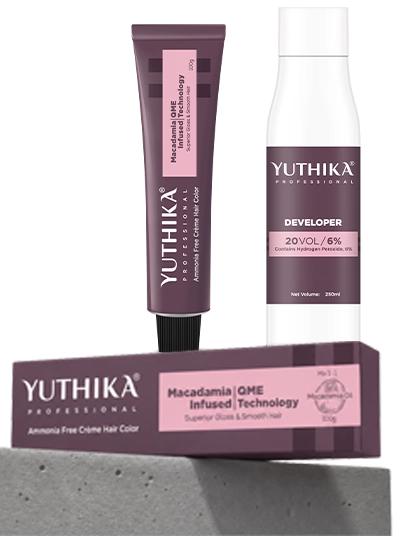
Professional hair color is generally selected according to the hair’s condition, desired result, natural shade and grey coverage requirements. The Yuthika Professional Hair Color range offers different professional coloring options for salon services and different color goals.
6. Choosing the Wrong Developer
Using the wrong developer with hair color can affect the final result and may unnecessarily stress the hair. Developer selection should depend on the desired color result, existing hair shade and professional coloring technique.
For salon applications, the color and developer should be selected and mixed according to the product’s instructions.
The Professional Crème Hair Color is designed to be used with its professional developers for controlled and consistent color development.
7. Applying Hair Color Without a Strand or Allergy Test
Skipping preparation before hair coloring is another mistake. A strand test can help assess how the selected shade may look on the hair and how the hair responds to the coloring process.
An allergy test should also be performed according to the product’s instructions before using a hair color product.
Do not assume that a color will look exactly the same on everyone. Existing hair color, porosity, previous treatments and the selected formula can influence the final result.
8. Washing Colored Hair With Very Hot Water
Hot water can leave the hair feeling dry and may not be ideal for maintaining freshly colored hair. If you regularly use hair color, try washing with lukewarm or cooler water instead.
A simple routine can help:
- Wet the hair with lukewarm water.
- Apply a suitable shampoo mainly to the scalp.
- Rinse thoroughly.
- Apply conditioner to the lengths and ends.
- Rinse with cooler water if comfortable.
- Gently towel-dry without rubbing.
This routine can help maintain softness and make colored hair easier to manage.
9. Brushing Wet Hair Too Roughly
Wet hair can be more vulnerable to stretching and breakage. Aggressive brushing immediately after washing can create unnecessary pulling and friction.
Instead, gently remove excess water with a soft towel. Use a suitable wide-tooth comb and start detangling from the ends before gradually moving upward.
Avoid pulling through stubborn knots. Work through them gently to reduce unnecessary breakage.
10. Neglecting Hair Color Aftercare
Getting beautiful hair color is only the beginning. Poor aftercare can make color fade faster and leave the hair looking dull.
Simple Hair Color Aftercare Tips
- Avoid washing the hair unnecessarily often.
- Use products suitable for colored hair.
- Reduce excessive heat styling.
- Protect hair from prolonged sun exposure.
- Condition the lengths regularly.
- Use a hair mask when the hair needs additional nourishment.
- Follow a consistent hair care routine.
The right aftercare can help maintain the appearance, shine and freshness of salon-colored hair. Professional guidance also recommends limiting frequent washing, using sulfate-free products and protecting colored hair from heat and sun exposure.
11. Using Too Many Hair Products
More products do not always mean better hair. Using several oils, masks, serums, conditioners and styling products at the same time can create buildup and make hair feel heavy.
Choose products according to your actual hair needs.
For example:
- Dry hair → moisturizing and nourishing products
- Frizzy hair → smoothing products and serum
- Colored hair → color-friendly cleansing and conditioning
- Damaged hair → intensive treatment and reduced heat styling
- Fine hair → lightweight products
A simple routine that you follow consistently is often better than a complicated routine that overloads your hair.
12. Ignoring Your Scalp
Healthy hair starts with a healthy scalp. Applying products only to the lengths while ignoring scalp care can leave buildup or make it difficult to maintain a balanced routine.
Keep the scalp clean and avoid applying heavy products directly to it unless they are specifically designed for scalp use. If you experience persistent itching, excessive flaking or unusual hair loss, consider consulting a dermatologist or qualified professional.
How to Avoid Hair Care Mistakes: A Simple Routine
You do not need a complicated routine to improve your hair care habits.
Step 1: Understand Your Hair
Identify whether your hair is dry, oily, fine, thick, curly, straight, colored or chemically treated.
Step 2: Choose Suitable Products
Select shampoo, conditioner, treatments and styling products according to your hair’s needs.
Step 3: Reduce Damage
Limit unnecessary heat, aggressive brushing, excessive washing and tight hairstyles.
Step 4: Protect Colored Hair
If you use hair color, follow a suitable aftercare routine to help maintain shine and color appearance.
Step 5: Treat Damaged Hair
Use regular conditioning and suitable hair treatments when your hair feels dry, rough or weak.
Step 6: Stay Consistent
Hair care works best when good habits are followed regularly rather than occasionally.
FAQs
1. What are the most common hair care mistakes?
Common mistakes include excessive washing, too much heat styling, skipping conditioner, rough brushing, using unsuitable products and neglecting hair color aftercare.
2. Can hair care mistakes cause hair breakage?
Yes. Excessive heat, rough handling, tight hairstyles, frequent chemical services and poor conditioning can contribute to dryness and breakage.
3. How can I protect colored hair from damage?
Use suitable color-care products, avoid excessive washing and heat, condition regularly and protect your hair from prolonged sun exposure.
4. Is hair color bad for damaged hair?
Coloring very weak or severely damaged hair may increase stress on the hair. It is important to assess hair condition before coloring and follow professional application and aftercare practices.
5. How often should I use a hair mask?
Once a week can be a useful starting point for many hair types, but frequency should depend on your hair’s condition, texture and product instructions.
Avoid Hair Care Mistakes for Healthier Hair
Healthy hair is built through consistent everyday care. Avoiding common hair care mistakes such as excessive washing, heat styling, rough brushing, poor conditioning and incorrect hair color practices can help your hair look smoother, stronger and healthier.
If you color your hair, remember that good hair color aftercare is just as important as choosing the right shade. A balanced routine with gentle cleansing, conditioning, regular treatment and sensible styling habits can help maintain both hair health and beautiful color.
Small changes in your daily routine can make a noticeable difference. Choose products according to your hair needs, protect your strands from unnecessary stress and give your hair regular nourishment and care.

 Yuthika Professional Crème Hair Color
 Yuthika Highlift
 Evano Beard Color Creme
 CosGlam
 Yuthika Ultracare Range
 Yuthika Vertix Range
 Yuthika Argan Oil
 Nish Daily Care Range