Hair Care for Dry Hair: Complete Routine and Tips
Dry hair often looks dull, feels rough and becomes difficult to manage. Lack of moisture, frequent washing, heat styling, pollution, sun exposure and chemical treatments can make hair dry and weak. A simple and consistent hair care for dry hair routine can help restore softness, shine and manageability.
If you also use hair color, proper aftercare becomes even more important. Colored hair can need extra moisture and protection to maintain a smooth texture and vibrant appearance. With the right products and daily habits, you can care for dry hair without making your routine complicated.
What Causes Dry Hair?
Dry hair develops when the hair does not retain enough moisture. Some common causes include:
- Frequent shampooing
- Hot water washes
- Excessive heat styling
- Sun and environmental exposure
- Chemical treatments and hair color
- Overuse of styling products
- Lack of regular conditioning
- Rough towel drying or excessive brushing
Dry hair may also become frizzy, tangled and prone to split ends. This is why hydration and gentle care should be the main focus of your routine.
Complete Hair Care Routine for Dry Hair
Step 1: Choose a Gentle Shampoo
The first step in hair care for dry hair is choosing a shampoo that cleans the scalp without leaving the lengths excessively dry. Avoid washing your hair too frequently unless your scalp needs it.
For dry, damaged or chemically treated hair, a repairing formula can be useful. Yuthika Professional Ultracare Repair Shampoo is designed for dry, damaged and chemically treated hair. It gently cleanses while helping improve softness, manageability and moisture balance.
Step 2: Wash Hair With Lukewarm Water
Very hot water can leave the hair feeling dry and rough. Use lukewarm water while washing and finish with cooler water if comfortable.
Apply shampoo mainly to the scalp and gently massage with your fingertips. Allow the lather to clean the lengths as you rinse instead of aggressively rubbing the hair.
Step 3: Use a Hair Mask Regularly
A hair mask can provide deeper conditioning than a regular wash routine. It is especially helpful when hair feels rough, brittle, frizzy or damaged.
Apply a nourishing mask mainly from the mid-lengths to the ends. Leave it on according to the product instructions and rinse thoroughly.
For very dry or damaged hair, Yuthika Professional Ultracare Repair Hair Mask can be included as a regular deep-care step. The Ultracare range is designed around repairing, nourishing and improving the overall feel of damaged hair.
Step 4: Add Hair Oil or Serum
Hair oil can help improve softness and shine while making dry lengths easier to manage. Use a small amount rather than applying excessive oil.
For lightweight nourishment, a few drops of Moroccan Argan Oil can be applied to the mid-lengths and ends. This is particularly useful when hair looks dull or feels rough after washing.
Step 5: Reduce Heat Styling
Frequent use of straighteners, curling irons and high-temperature blow dryers can make dry hair more fragile.
If you need to use heat, apply a suitable heat-protection product first and choose a moderate temperature. Avoid repeatedly passing a hot tool over the same section of hair.
Step 6: Protect Hair From Friction
Small changes can make a noticeable difference to dry hair.
- Use a wide-tooth comb to detangle.
- Start brushing from the ends and move upward.
- Avoid aggressive towel rubbing.
- Use a soft towel or gently squeeze out excess water.
- Avoid sleeping with extremely wet hair.
- Keep tight hairstyles to a minimum.
These habits can help reduce unnecessary breakage and frizz.
Hair Care for Dry Hair After Hair Color
If you regularly use hair color, maintaining moisture is an important part of your routine. Hair color can change the feel of the hair, particularly when combined with heat styling or other chemical services.
Choose a suitable color-care routine and avoid unnecessarily frequent washing. A sulfate-free shampoo and nourishing mask can help maintain softness while supporting the appearance of colored hair.
Yuthika Professional offers a Sulfate Free Range as part of its professional hair care collection, along with its repair and treatment-focused products.
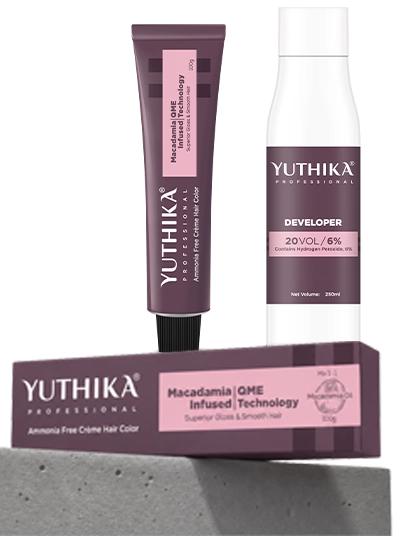
For those looking for professional creme hair color, choosing a quality formula and following proper aftercare can help maintain a vibrant, smooth-looking finish. fProfessional’s Crème Hair Color range is formulated for long-lasting color, nourishment and grey coverage, with Macadamia oil included in the formulation.
Simple Weekly Routine for Dry Hair
A consistent weekly schedule can make your routine easier:
2–3 times a week:
Wash your hair according to your scalp and hair needs using a gentle shampoo.
After washing:
Use conditioner or a suitable hair mask, concentrating on the lengths and ends.
1–2 times a week:
Use a deeper nourishing hair mask if your hair is particularly dry or damaged.
As needed:
Apply a small amount of hair oil or serum to dry ends.
Every day:
Limit unnecessary heat, protect your hair from friction and detangle gently.
The exact frequency should depend on your scalp, hair texture, lifestyle and level of dryness.
Common Mistakes to Avoid
Even a good hair care routine may not work well if you continue habits that increase dryness.
Washing Too Often
Frequent washing may remove oils that help keep the hair comfortable and manageable. Find a washing schedule that suits your scalp.
Using Too Much Heat
High heat can make already-dry hair more fragile. Keep heat styling occasional and use heat protection.
Skipping Conditioning
Shampoo cleanses the hair, but conditioning helps improve softness and manageability. Do not skip this step when your lengths are dry.
Applying Products Only to the Scalp
Dryness is often more noticeable through the mid-lengths and ends. Hair masks, conditioners and oils are generally most useful on these areas rather than heavily coating the scalp.
Ignoring Hair Color Aftercare
If you color your hair, treat color maintenance and hair health as part of the same routine. Gentle cleansing, conditioning and reduced heat can help your hair look smoother and keep its color looking fresh.
FAQs About Hair Care for Dry Hair
1. What is the best hair care routine for dry hair?
A simple routine includes gentle shampooing, regular conditioning, weekly hair masking, limited heat styling and light oil or serum application to the lengths and ends.
2. How often should dry hair be washed?
There is no single schedule for everyone. Washing two or three times a week may work for many people, but your scalp condition, lifestyle and hair type should determine the frequency.
3. Is hair color suitable for dry hair?
Hair that is already dry may require additional care before and after coloring. Choose professional-quality hair color, follow application instructions and maintain a nourishing post-color routine.
4. How can I make dry hair softer and shinier?
Use a moisturizing shampoo, conditioner and hair mask regularly. Reduce heat exposure and apply a small amount of nourishing oil or serum to the lengths and ends.
5. Can dry hair become healthy again?
Dryness can often be improved with consistent care, reduced damage and suitable products. However, severely damaged ends may need trimming because cosmetic products cannot permanently repair split ends.
Build a Consistent Routine for Dry Hair
Effective hair care for dry hair does not have to involve too many products. The key is consistency: cleanse gently, condition regularly, use a nourishing mask, protect your hair from heat and handle it carefully.
If you also use hair color, give extra attention to moisture and post-color care. Combining the right hair color with a suitable hair care routine can help your hair look smoother, shinier and more manageable. Small changes made consistently can make dry hair feel healthier and easier to style.

 Yuthika Professional Crème Hair Color
 Yuthika Highlift
 Evano Beard Color Creme
 CosGlam
 Yuthika Ultracare Range
 Yuthika Vertix Range
 Yuthika Argan Oil
 Nish Daily Care Range