Common Hair Color Mistakes and How to Avoid Them
Hair coloring can completely transform your look, boost confidence, and help cover grey hair. However, many people make simple hair color mistakes that can lead to uneven results, hair damage, dryness, or a shade that does not suit them.
Whether you color your hair at home or visit a salon, understanding the most common hair color mistakes can help you achieve better, healthier, and longer-lasting results.
In this article, we will discuss the most common hair color mistakes and how to avoid them.
Choosing the Wrong Hair Color Shade
One of the biggest mistakes people make is choosing a hair color shade that does not match their skin tone or natural hair color.
For example:
- Warm skin tones usually suit golden blonde, caramel, copper, and warm brown shades.
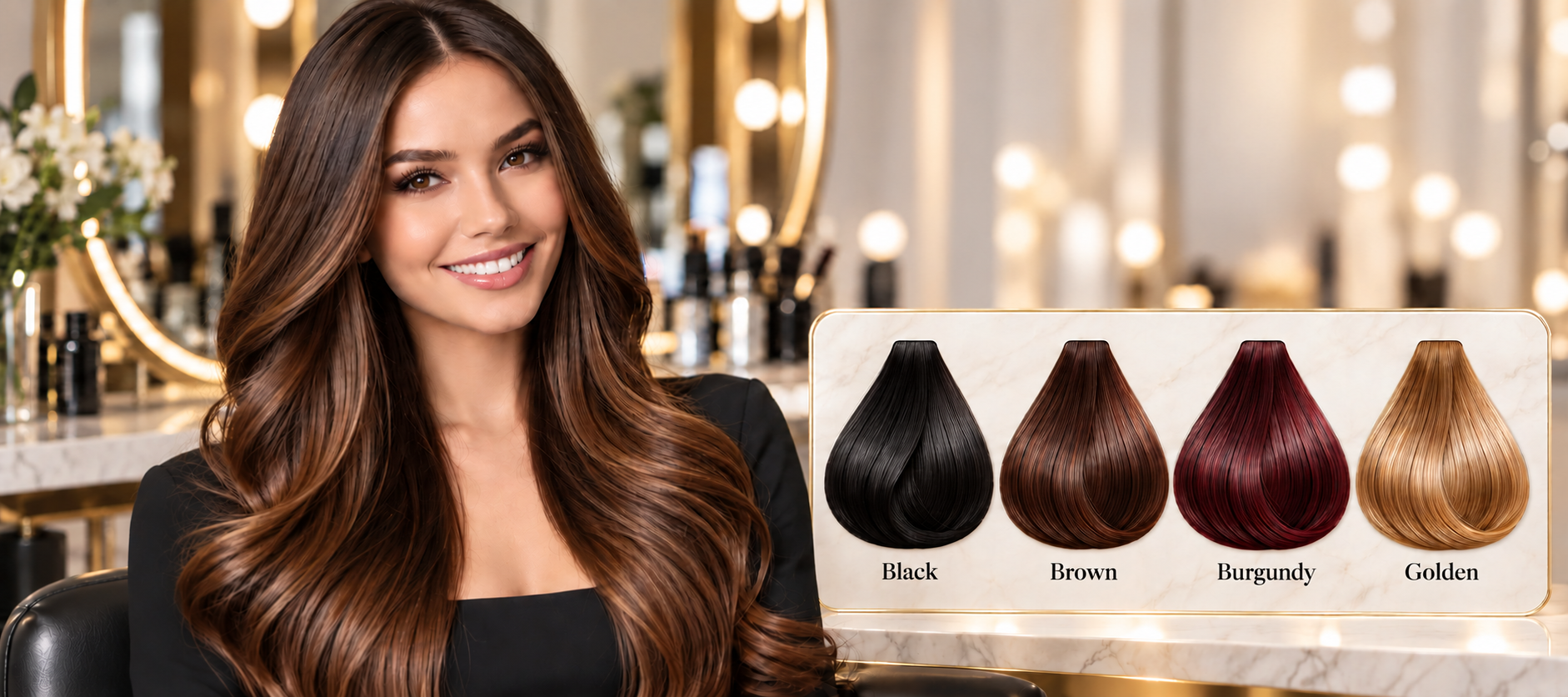
- Cool skin tones often look better with ash blonde, burgundy, cool brown, and black shades.
- Neutral skin tones can carry both warm and cool shades.
How to Avoid It
Choose a hair color based on your skin undertone and eye color. If you are unsure, consult a professional stylist before making a major change.
Ignoring Your Hair’s Current Condition
Coloring damaged, dry, or brittle hair can make the condition even worse.
If your hair is already weak from heat styling, bleaching, or chemical treatments, applying hair color may lead to breakage and split ends.
How to Avoid It
Before coloring your hair, use nourishing hair masks, oils, and conditioners for a few weeks. Healthy hair absorbs color better and gives smoother, shinier results.
Skipping the Patch Test
Many people ignore the patch test before using hair color, especially if they have used the same brand before.
However, hair color products can sometimes cause allergic reactions, itching, redness, or irritation.
How to Avoid It
Always do a patch test at least 24 to 48 hours before applying hair color. Apply a small amount behind your ear or on your inner arm and wait for any reaction.
Choosing Box Color That Is Too Different From Your Natural Hair
Trying to go from very dark hair to light blonde or from blonde to black in one step can create uneven or unnatural-looking results.
Box hair color often cannot deliver dramatic changes without bleaching or multiple sessions.
How to Avoid It
Stay within two to three shades of your natural hair color if coloring at home. For major transformations, visit a professional salon.
Leaving Hair Color on for Too Long
Some people think leaving hair color on longer will make it darker or last longer. In reality, this can overprocess the hair and cause dryness or damage.
How to Avoid It
Always follow the instructions on the product packaging. Use a timer and rinse the color at the recommended time.
Washing Hair Before Coloring
Freshly washed hair may be more sensitive to hair color chemicals because natural oils protect the scalp.
How to Avoid It
It is usually better to color hair one or two days after washing it. Slightly oily hair can help reduce irritation and improve comfort during coloring.
Applying Color Unevenly
Uneven application can lead to patchy hair color, dark spots, or missed areas.
This is common when applying color too quickly or without sectioning the hair properly.
How to Avoid It
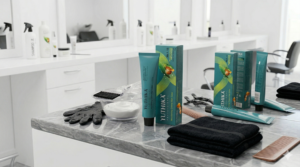
Divide your hair into sections and apply the color carefully from roots to ends. Use clips, gloves, and a mirror for better control.
Coloring Hair Too Frequently
Frequent coloring can weaken the hair over time, especially if you are bleaching or using permanent hair color regularly.
How to Avoid It
Wait at least four to six weeks between coloring sessions. Use root touch-ups instead of recoloring the entire head every time.
Forgetting Post-Color Hair Care
Many people spend time and money coloring their hair but do not use the right products afterward.
Colored hair needs extra care to maintain shine, softness, and long-lasting color.
How to Avoid It
Use sulfate-free shampoo, color-safe conditioner, hair masks, and heat protectants. Avoid washing your hair too often because it can make the color fade faster.
Not Considering Grey Hair Coverage
Grey hair can be more resistant to color than regular hair.
If you choose the wrong formula, your greys may not be fully covered.
How to Avoid It
Choose hair color specifically designed for grey coverage. Professional salon color often gives better results for stubborn greys.
Using the Wrong Developer Strength
Using a developer that is too strong can damage your hair, while a weak developer may not give enough color payoff.
How to Avoid It
If you are unsure about developer strength, avoid experimenting at home. A professional stylist can recommend the right level based on your hair type and color goals.
Trying Complex Techniques at Home
Balayage, highlights, ombre, and vivid colors often require professional skill.
Trying these techniques at home can result in patchy, brassy, or uneven hair.
How to Avoid It
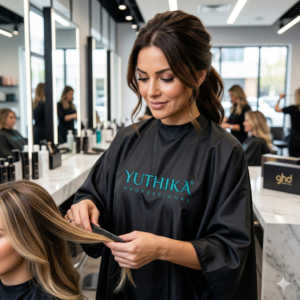
Visit a salon for complex hair color techniques. Professionals have the experience and products needed for precise application.
Not Protecting Hair From Sun and Heat
Excessive heat styling and direct sunlight can make hair color fade quickly.
How to Avoid It
Use heat protectant sprays before styling and wear a hat or scarf when spending time in strong sunlight.
Ignoring Hair Porosity
Hair porosity affects how your hair absorbs and holds color.
Highly porous hair may absorb too much color and become darker than expected, while low-porosity hair may struggle to hold color.
How to Avoid It
Use moisturizing treatments before coloring and ask a stylist to assess your hair porosity if needed.
Trying to Fix Hair Color Mistakes Yourself
If your hair color turns orange, too dark, too light, or uneven, trying to fix it immediately at home can make the problem worse.
How to Avoid It
Wait a few days and consult a professional stylist for correction. Color correction is often safer and more effective in a salon.
Tips for Better Hair Coloring Results
To get the best hair color results, remember these simple tips:
- Choose the right shade for your skin tone
- Keep your hair healthy before coloring
- Always do a patch test
- Follow the instructions carefully
- Use color-safe hair care products
- Avoid over-coloring your hair
- Get professional help for major color changes
Hair coloring can give you a fresh, beautiful look, but avoiding common hair color mistakes is important for the best results.
From choosing the right shade to using proper aftercare, small steps can make a big difference in how your hair looks and feels.
Whether you use salon hair color or box dye, taking the right precautions can help you achieve smooth, shiny, and long-lasting color without unnecessary damage.
FAQs
What is the most common hair color mistake?
Choosing the wrong shade for your skin tone is one of the most common hair color mistakes.
Can I color damaged hair?
It is better to improve the condition of damaged hair before coloring to avoid further breakage.
Why does my hair color fade quickly?
Frequent washing, heat styling, sunlight, and using harsh shampoos can make hair color fade faster.
Should I wash my hair before coloring?
It is usually better not to wash your hair immediately before coloring because natural oils help protect the scalp.
Can I fix uneven hair color at home?
Minor issues may be corrected at home, but major color problems are best fixed by a professional stylist.

 Yuthika Professional Crème Hair Color
 Yuthika Highlift
 Evano Beard Color Creme
 CosGlam
 Yuthika Ultracare Range
 Yuthika Vertix Range
 Yuthika Argan Oil
 Nish Daily Care Range