Hair Color Mixing Ratio Guide for Salon Professionals
Hair Color Mixing Ratio Guide for Salon Professionals
Accurate formulation is one of the most important parts of professional hair coloring. Even when the correct shade and developer are selected, an incorrect mixing ratio can affect consistency, coverage, processing and the final color result.
That is why every salon professional should understand the hair color mixing ratio recommended for the color range they are using.
Professional hair color is usually mixed with a developer or oxidizing cream in a specific proportion. Depending on the product, that ratio may be 1:1, 1:1.5, 1:2 or another manufacturer-specified formula.
This guide explains how hair color mixing ratios work, how to calculate them accurately and why following the correct ratio matters in professional salon services.
What Is a Hair Color Mixing Ratio?
A hair color mixing ratio describes the proportion of hair color cream or colorant that should be mixed with developer.
For example:
1:1 means one part hair color and one part developer.
1:1.5 means one part hair color and one and a half parts developer.
1:2 means one part hair color and two parts developer.
If a professional color requires a 1:1 ratio and you use 60 g of hair color, you would generally mix it with 60 g of developer.
For a 1:1.5 ratio, 60 g of color would be mixed with 90 g of developer.
The correct ratio should always come from the technical instructions supplied by the hair color manufacturer.
Why Hair Color Mixing Ratio Matters
Professional hair color is formulated to work with a specific amount of developer.
Changing that ratio can alter the way the formula behaves.
An incorrect ratio may affect:
- Color consistency
- Grey coverage
- Lift
- Pigment deposit
- Processing
- Product texture
- Application control
- Final shade intensity
Too much developer may make the formula thinner and may reduce pigment concentration.
Too little developer can create a thicker mixture and may prevent the product from working as intended.
For consistent salon results, precision matters.
Understanding the 1:1 Hair Color Mixing Ratio
A 1:1 hair color mixing ratio means equal amounts of color and developer.
Example:
30 g hair color + 30 g developer
50 g hair color + 50 g developer
60 g hair color + 60 g developer
This ratio is commonly used in many professional permanent hair color systems, especially where strong deposit or grey coverage is required.
However, this should not be treated as a universal rule.
Some professional color ranges use different ratios, even within the same brand.
Understanding the 1:1.5 Mixing Ratio
A 1:1.5 ratio means one part hair color is combined with one and a half parts developer.
For example:
40 g hair color + 60 g developer
60 g hair color + 90 g developer
This provides more developer compared with a 1:1 mixture.
Depending on the formulation, a 1:1.5 ratio may create a smoother consistency or support the performance characteristics intended by the manufacturer.
Again, the exact ratio should always follow the technical instructions for the specific professional color being used.
Understanding the 1:2 Mixing Ratio
A 1:2 ratio means one part hair color is mixed with two parts developer.
Example:
30 g hair color + 60 g developer
50 g hair color + 100 g developer
Professional high-lift color or some specialized coloring products may use a higher developer ratio.
High-lift formulas often work differently from standard permanent hair color, which is why salon professionals should never assume the same ratio can be used for every product.
How to Calculate Hair Color Mixing Ratio
Hair color mixing becomes easier when you treat the ratio as a simple mathematical formula.
1:1 Ratio
If you use 50 g of color:
50 × 1 = 50 g developer
Final mixture:
50 g color + 50 g developer
1:1.5 Ratio
If you use 50 g of color:
50 × 1.5 = 75 g developer
Final mixture:
50 g color + 75 g developer
1:2 Ratio
If you use 50 g of color:
50 × 2 = 100 g developer
Final mixture:
50 g color + 100 g developer
Using a digital salon scale is one of the easiest ways to maintain accuracy.
Mixing Hair Color in Grams vs Millilitres
Professional stylists often measure hair color in grams.
This is generally more precise than estimating by eye.
A digital weighing scale can help ensure that formulas are repeated consistently, especially when working with:
- Custom shade combinations
- Root touch-ups
- Grey coverage formulas
- Repeat clients
- Corrective coloring
Salon teams should use the measurement method recommended by the manufacturer.
Avoid assuming that grams and millilitres can always be substituted directly, because product density may vary.
Hair Color and Developer Ratio for Grey Coverage
Grey coverage requires careful formulation.
Natural or neutral shades are often included in professional grey coverage formulas, depending on the percentage of grey and the desired result.
However, the hair color mixing ratio should still remain consistent with the manufacturer’s instructions.
For example, if a range specifies 1:1 for permanent color, adding more developer does not necessarily improve grey coverage.
In fact, altering the ratio may reduce the concentration of color pigment.
Salon professionals should instead consider:
- Percentage of grey
- Hair resistance
- Desired level
- Desired tone
- Appropriate shade selection
- Correct developer
- Manufacturer-recommended processing time
Good grey coverage depends on the complete formula, not only the amount of developer.
Does Developer Strength Change the Mixing Ratio?
Developer strength and mixing ratio are two different things.
Developer strength refers to the oxidizing power of the developer.
Common professional developer strengths may include lower, medium and higher peroxide concentrations depending on the desired service.
The mixing ratio tells you how much developer should be combined with the color.
For example, a professional hair color may use the same 1:1 ratio with different developers depending on whether the goal is deposit, grey coverage or lift.
However, developer options and recommended usage vary by product range.
Always refer to the manufacturer’s technical guide.
Mixing Multiple Hair Color Shades
Professional stylists often combine two or more shades to create a custom formula.
For example, a stylist may mix:
30 g of Shade A
30 g of Shade B
The total hair color amount is therefore:
60 g
If the required mixing ratio is 1:1, the formula would usually need:
60 g developer
If the required ratio is 1:1.5:
60 × 1.5 = 90 g developer
The important point is to calculate the developer based on the total amount of color cream, not on each shade separately after mixing.
Example of a Custom Color Formula
Suppose a salon professional wants to create a formula using:
40 g natural shade
20 g fashion shade
Total color = 60 g
If the manufacturer’s recommended mixing ratio is 1:1:
60 g color + 60 g developer
If the ratio is 1:1.5:
60 g color + 90 g developer
Accurate calculation makes it easier to document and repeat successful formulas during future appointments.
Why Stylists Should Avoid Measuring by Eye
Experienced professionals may sometimes feel confident estimating a formula visually.
However, measuring by eye can create unnecessary variation.
A small difference in the developer amount may affect:
- Formula thickness
- Application
- Deposit
- Coverage
- Final color
Using a digital scale improves consistency between salon team members and repeat appointments.
It also makes it easier to reduce product waste.
Hair Length and Amount of Color Required
The mixing ratio stays the same, but the total quantity of product required depends on the client’s hair.
Factors include:
- Hair length
- Density
- Thickness
- Porosity
- Application area
- Root-only or full-head service
For example, a root touch-up may require much less color than a full-head application on long, thick hair.
Rather than changing the ratio, stylists should prepare a larger or smaller amount while maintaining the correct proportions.
Can You Add More Developer to Make Color Easier to Apply?
Adding extra developer simply to make a formula thinner is generally not advisable unless specifically recommended by the manufacturer.
Professional color chemistry is designed around a particular ratio.
Changing the developer quantity can alter the balance of pigment and oxidizing agent.
If the mixture feels unusually thick or difficult to apply, first check:
- Correct color-to-developer ratio
- Product compatibility
- Expiry or storage condition
- Mixing technique
- Manufacturer instructions
The formula should not be modified casually.
Mixing Permanent Hair Color and Developer
Permanent professional hair color typically requires an oxidizing developer.
The developer helps activate the oxidative dyes and supports the coloring process.
To prepare the mixture correctly:
- Select the required shade or combination of shades.
- Determine the total amount of color needed.
- Check the manufacturer’s recommended ratio.
- Measure the color accurately.
- Measure the developer.
- Mix until the consistency is smooth and uniform.
- Apply according to the product’s technical instructions.
Professional color products should only be combined with compatible developers unless the manufacturer specifically states otherwise.
Hair Color Mixing Ratio for Root Touch-Ups
Root touch-ups require the same level of accuracy as a full color service.
Suppose the previous client formula was:
30 g color + 30 g developer at 1:1.
At the next appointment, the stylist should not automatically prepare the same amount unless the regrowth area requires it.
The quantity can be adjusted while keeping the ratio constant.
For example:
20 g color + 20 g developer
This preserves the same formulation while reducing unnecessary waste.
Keep Detailed Client Color Records
Professional salons can benefit significantly from recording every color formula.
A client record may include:
- Shade numbers
- Amount of each shade
- Mixing ratio
- Developer strength
- Total quantity
- Processing time
- Application technique
- Final result
- Notes for the next visit
Instead of writing only “brown hair color,” document something more precise.
For example:
30 g Shade A + 20 g Shade B
Total color: 50 g
Mixing ratio: 1:1
Developer: 50 g
Detailed records make repeat services more accurate and professional.
Common Hair Color Mixing Mistakes
Incorrect mixing is one of the easiest formulation problems to prevent.
Common mistakes include:
- Guessing the amount of developer
- Using the wrong ratio
- Confusing 1:1.5 with 1:2
- Calculating developer from only one shade in a multi-shade formula
- Changing the ratio to alter consistency
- Mixing products from incompatible systems
- Not documenting the formula
- Ignoring manufacturer instructions
A few extra seconds spent measuring accurately can help reduce formulation errors.
Is the Hair Color Mixing Ratio the Same for Every Brand?
No.
There is no single universal hair color mixing ratio that applies to every professional color product.
Different brands and product categories can have different ratios.
Even within the same professional range, standard permanent color, toners, high-lift shades and lighteners may require different proportions.
This is why salon professionals should always check:
- Product instructions
- Technical manual
- Shade chart
- Developer recommendations
- Mixing ratio
- Processing time
Never assume that a ratio used with one professional color range can automatically be transferred to another.
Mixing Ratio vs Processing Time
Mixing ratio and processing time are both important, but they serve different purposes.
The ratio determines the amount of color relative to developer.
Processing time determines how long the formula remains on the hair according to the product instructions.
Leaving a formula on longer does not correct an incorrect mixing ratio.
Similarly, using extra developer should not be used to compensate for shorter processing.
For predictable professional results, both should follow the manufacturer’s recommended system.
Understanding the hair color mixing ratio is fundamental to professional salon coloring.
Whether a color range requires 1:1, 1:1.5, 1:2 or another ratio, accurate measurement helps maintain the formulation balance intended by the manufacturer.
Salon professionals should calculate the developer according to the total amount of color, measure formulas with suitable professional tools and keep detailed client records for repeat services.
Most importantly, never assume that all professional hair colors use the same ratio.
The correct formula depends on the specific product, shade category, developer and manufacturer’s technical instructions.
By combining accurate mixing with proper shade selection, hair-level assessment and professional color theory, stylists can work with greater consistency and control.
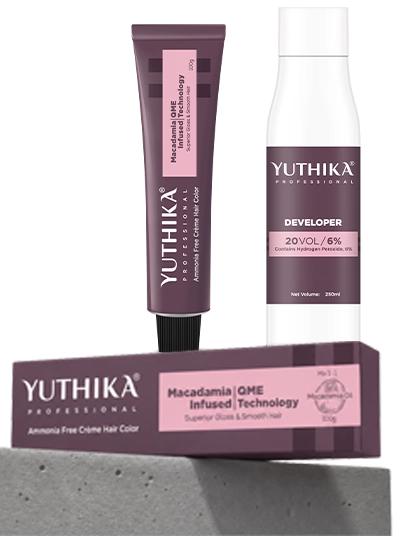
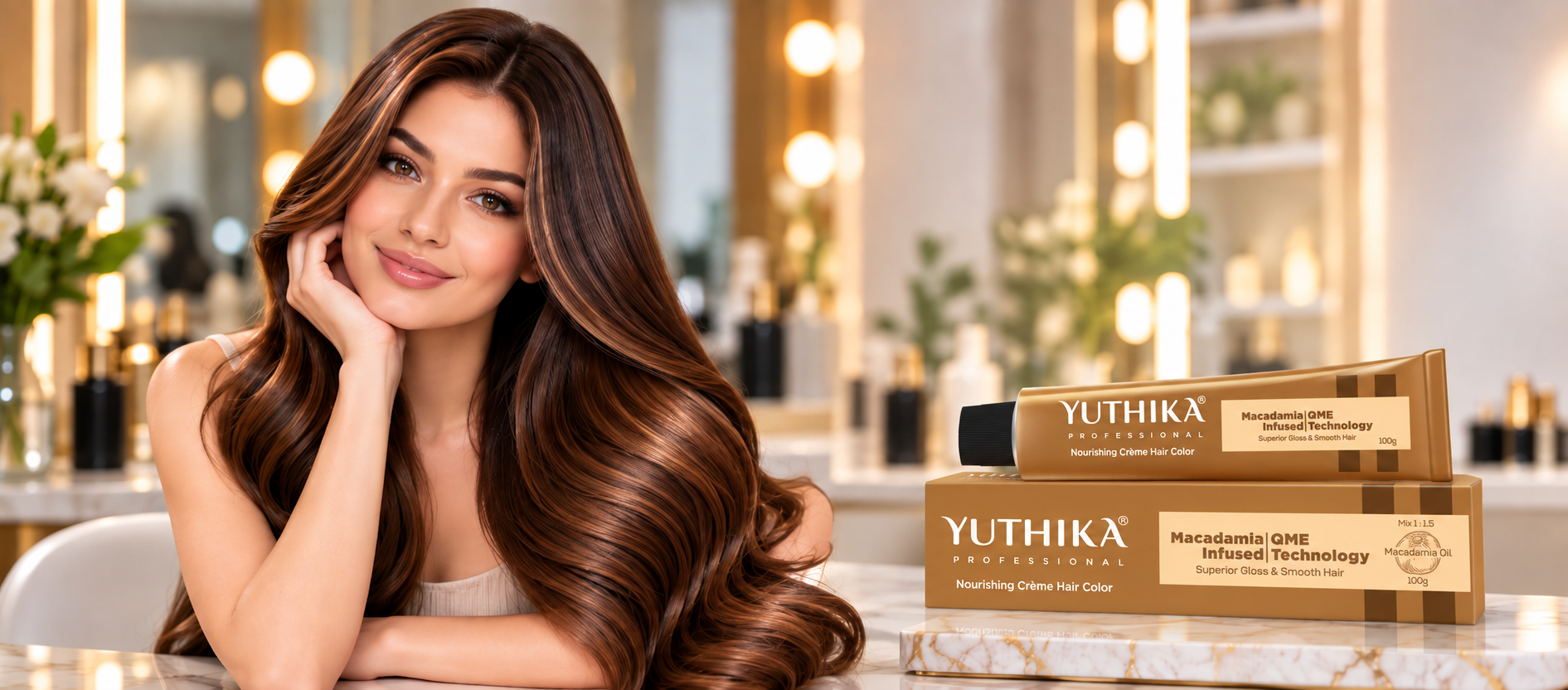
Yuthika Professional offers professional hair color solutions designed for salon use. Always follow the product-specific mixing, developer, application and processing instructions provided with the Yuthika Professional color range for the intended salon service.

 Yuthika Professional Crème Hair Color
 Yuthika Highlift
 Evano Beard Color Creme
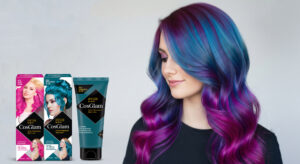
 CosGlam
 Yuthika Ultracare Range
 Yuthika Vertix Range
 Yuthika Argan Oil
 Nish Daily Care Range