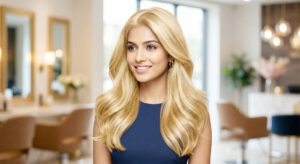
How to Choose Professional Hair Colour Based on Your Natural Hair Level
Choosing the right professional hair colour starts with understanding your natural hair level. Whether you want rich brown hair, beautiful blonde shades, or a subtle colour change, knowing your starting hair colour helps you achieve better results.
Many people select hair color shades based only on pictures or colour charts. However, the final result depends on your natural hair level, hair condition, existing pigments, and chosen formula.
Understanding the hair color level chart makes it easier to select suitable shades and avoid unwanted tones.
In this guide, you will learn how to identify your natural hair level and choose the best professional hair colour for beautiful, salon-quality results.
What Is Natural Hair Level in Professional Hair Colour?
Natural hair level refers to how light or dark your original hair colour is before applying chemical colour.
Professional hairstylists generally use a numbering system from Level 1 to Level 10, where Level 1 represents the darkest hair and Level 10 represents very light blonde hair.
Understanding the Natural Hair Level Chart
| Hair Level | Natural Hair Colour |
| Level 1 | Black |
| Level 2 | Darkest Brown |
| Level 3 | Dark Brown |
| Level 4 | Medium Brown |
| Level 5 | Light Brown |
| Level 6 | Dark Blonde |
| Level 7 | Medium Blonde |
| Level 8 | Light Blonde |
| Level 9 | Very Light Blonde |
| Level 10 | Lightest Blonde |
This standard chart helps professional colorists understand the starting point before selecting a suitable formula.
Remember that shade names and numbering may vary slightly between professional hair colour ranges.
Why Is Natural Hair Level Important When Choosing Hair Color?
Your natural hair level determines how your hair responds to a particular hair colour shade.
For example, someone with Level 3 dark brown hair cannot expect the same blonde result as someone starting at Level 7.
Understanding your starting level helps with:
- Selecting suitable professional hair color shades.
- Determining how much lightening is required.
- Choosing an appropriate colour formula.
- Managing warm or cool undertones.
- Achieving more predictable colour results.
You can also understand shade depth and tonal numbering through this guide on how to read a professional hair color chart.
How to Choose Professional Hair Colour Based on Your Natural Hair Level
Step 1: Identify Your Current Natural Hair Level
Start by examining your natural hair in good daylight.
Check the roots, especially if your hair has previously been coloured. Compare your natural growth with a professional hair colour level chart.
For accurate identification, focus on uncoloured hair rather than chemically treated lengths.
If your natural hair appears almost black, it may fall between Levels 1 and 2. Medium brown hair generally falls around Level 4, while lighter brown hair may be closer to Level 5.
Correct identification helps prevent mistakes during shade selection.
Step 2: Decide Your Desired Hair Colour Level
Once you know your starting level, decide whether you want to maintain, darken, or lighten your hair.
Same-Level Colour: Choose a shade close to your natural level for subtle enhancement.
Darker Colour: Select a lower-numbered shade to achieve deeper colour.
Lighter Colour: Choose a higher target level, but remember that significant lightening may require specialised products.
For example, moving from Level 4 to Level 6 requires approximately two levels of lift.
Always consider the hair’s condition and previous chemical treatments before lightening.
Step 3: Choose the Right Shade for Your Starting Level
Different natural hair levels suit different colouring approaches.
Levels 1–3: Black and Dark Brown Hair
Dark hair provides an excellent starting point for rich, deep shades.
Suitable choices include natural black, dark chocolate brown, mahogany, and deep burgundy.
Achieving noticeably lighter colours may require additional lightening.
Levels 4–6: Medium Brown to Dark Blonde Hair
These levels offer flexibility for colour enhancement.
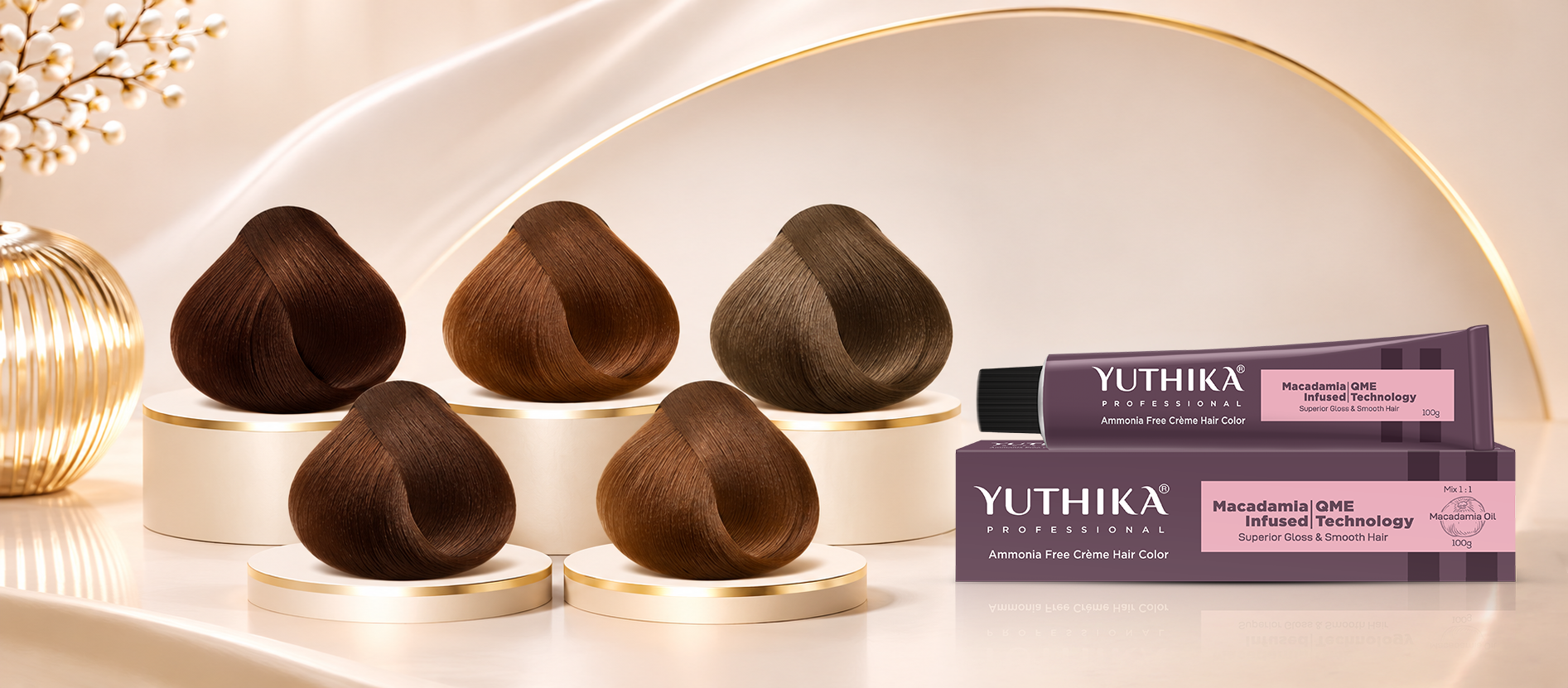
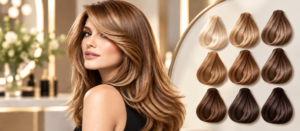
Chocolate brown, caramel, golden brown, and copper shades can create attractive transformations.
Depending on the starting level and formula, lighter shades may require professional lifting.
Levels 7–10: Medium to Lightest Blonde Hair
Lighter starting levels offer greater flexibility for blonde and fashion tones.
Popular options include ash blonde, beige blonde, golden blonde, and pearl blonde.
However, the existing undertone must be considered to avoid unwanted yellow or orange results.
Step 4: Select the Right Professional Hair Colour Formula
Choosing the correct formula is equally important as selecting the shade.
Permanent crème hair colour is commonly preferred for natural shade enhancement, grey coverage, and long-lasting colour changes.
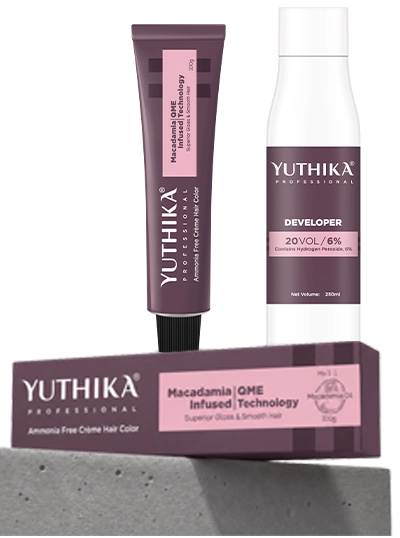
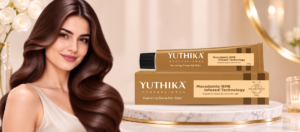
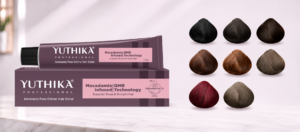
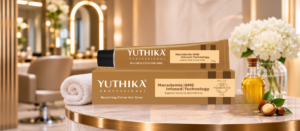
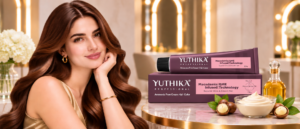
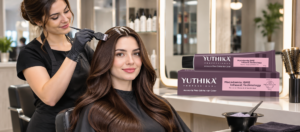
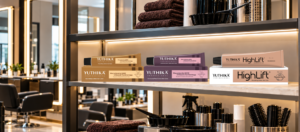
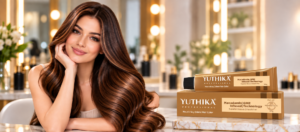
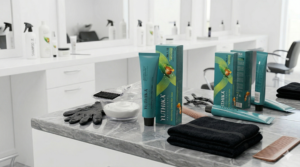
For professional salon services, Yuthika Professional Crème Hair Color offers salon-focused formulations designed for rich pigmentation, uniform coverage, and radiant-looking shine.
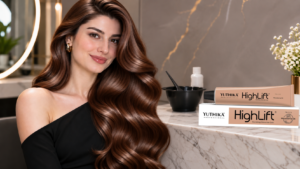
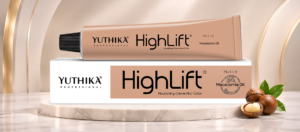
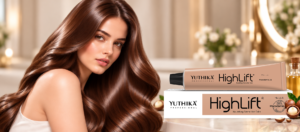
For suitable natural hair requiring greater lightening, Yuthika Professional Highlift provides specialised professional lightening colour options. Highlift colour is not a substitute for bleach in every situation, particularly on previously coloured hair.
The right formula should always match the desired result and current hair condition.
Step 5: Understand Hair Undertones Before Colouring
Natural hair contains underlying pigments that become more visible during lightening.
Dark hair commonly reveals red or orange warmth, while lighter hair may expose yellow tones.
Understanding these pigments helps professionals select balanced hair color shades.
For example:
- Ash tones can help control unwanted orange warmth.
- Violet tones can help neutralise yellow.
- Golden tones can enhance natural warmth.
- Neutral tones can support balanced, natural-looking results.
Correct toning depends on the actual underlying pigment and the desired final colour.
Step 6: Choose a Suitable Hair Colour Developer
The developer influences colour development and the amount of lift possible with an oxidative formula.
Common developer strengths include:
- 10 Volume: Generally used for colour deposit with minimal lift.
- 20 Volume: Often selected for grey coverage and some lightening.
- 30 Volume: Used for greater lift on suitable hair.
- 40 Volume: Reserved for specific professional lightening applications.
The Yuthika Professional Developer range supports professional colouring requirements.
Always follow the product’s recommended developer strength, mixing ratio, processing time, and safety instructions.
Common Mistakes to Avoid When Choosing Hair Colour
Even high-quality professional hair colour may produce disappointing results when the starting level is incorrectly assessed.
Common mistakes include choosing shades only from photographs, ignoring previously coloured hair, selecting an unsuitable developer, and overlooking underlying warmth.
Another important mistake is assuming that a lighter permanent shade will automatically lighten previously dyed hair.
Artificial colour generally requires a different correction approach.
A professional consultation and strand test can help determine whether the desired shade is achievable.
Tips to Maintain Professional Hair Colour Results
Proper maintenance helps preserve beautiful hair color and shine.
Use shampoo and conditioner suitable for coloured hair. Avoid unnecessary heat styling and excessive washing.
Regular conditioning can help maintain softness, while heat protection helps reduce styling-related damage.
For long-lasting results, schedule root touch-ups according to hair growth and colour requirements.
Always perform the required allergy alert test before colouring, following the product instructions.
Frequently Asked Questions About Professional Hair Colour
1. How do I identify my natural hair color level?
Compare your uncoloured hair roots with a professional hair colour level chart in natural daylight. A salon professional can help determine your exact level.
2. Can I choose a lighter hair colour than my natural level?
Yes. However, the amount of lift depends on your starting level, hair condition, colour history, and formula. Significant lightening may require professional pre-lightening.
3. Which professional hair colour is best for dark hair?
Natural black, chocolate brown, mahogany, and burgundy are popular choices for dark hair. The best shade depends on your desired result and existing hair level.
4. Does hair colour level affect grey hair coverage?
Yes. Natural level, grey percentage, and selected formula influence coverage. Permanent professional hair colour with an appropriate natural shade can help achieve balanced results.
5. Why does the same hair colour look different on different people?
The final colour depends on natural hair level, existing pigments, porosity, previous treatments, developer, and processing conditions. Therefore, the same shade can produce different results.
Choose the Right Professional Hair Colour for Beautiful Results
Understanding your natural hair level is the foundation of choosing the right professional hair colour.
By identifying your starting level, selecting a suitable shade, understanding undertones, and choosing the correct formula, you can achieve more predictable and attractive results.
Whether you prefer natural brown, rich burgundy, or beautiful blonde hair, professional colour selection helps create a balanced, polished appearance.
With the right approach and suitable Yuthika Professional hair colouring products, achieving beautiful, salon-quality hair color becomes easier and more precise.

 Yuthika Professional Crème Hair Color
 Yuthika Highlift
 Evano Beard Color Creme
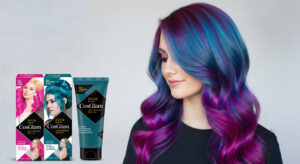
 CosGlam
 Yuthika Ultracare Range
 Yuthika Vertix Range
 Yuthika Argan Oil
 Nish Daily Care Range