Professional Hair Color Levels 1–10 Explained
If you have ever looked at a professional hair color shade chart, you may have noticed numbers such as 1, 4, 6, 8 or 10 next to different shades. These numbers are known as hair color levels, and they play an important role in professional hair coloring.
For hairstylists and salon professionals, understanding hair color levels helps determine how dark or light the hair is, how much lift may be required, and which shade is suitable for the desired result.
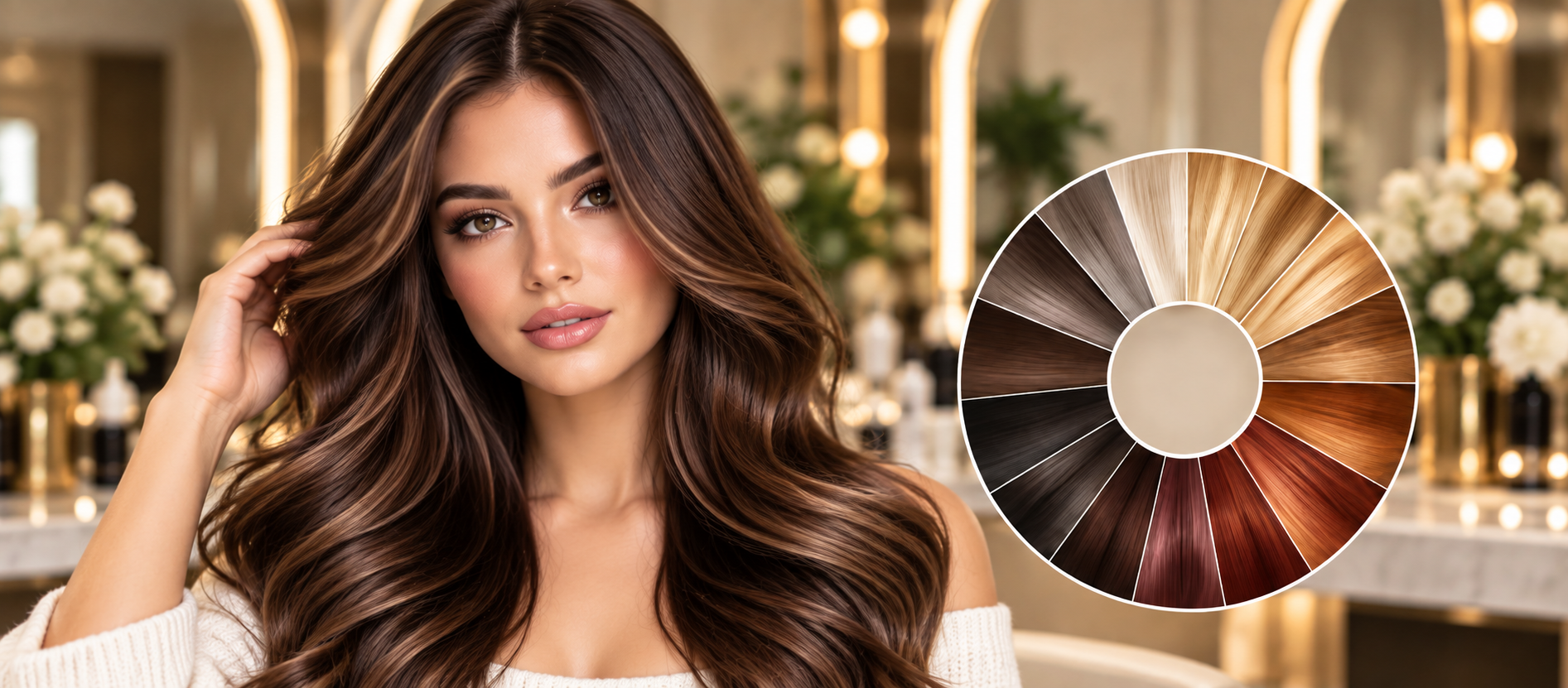
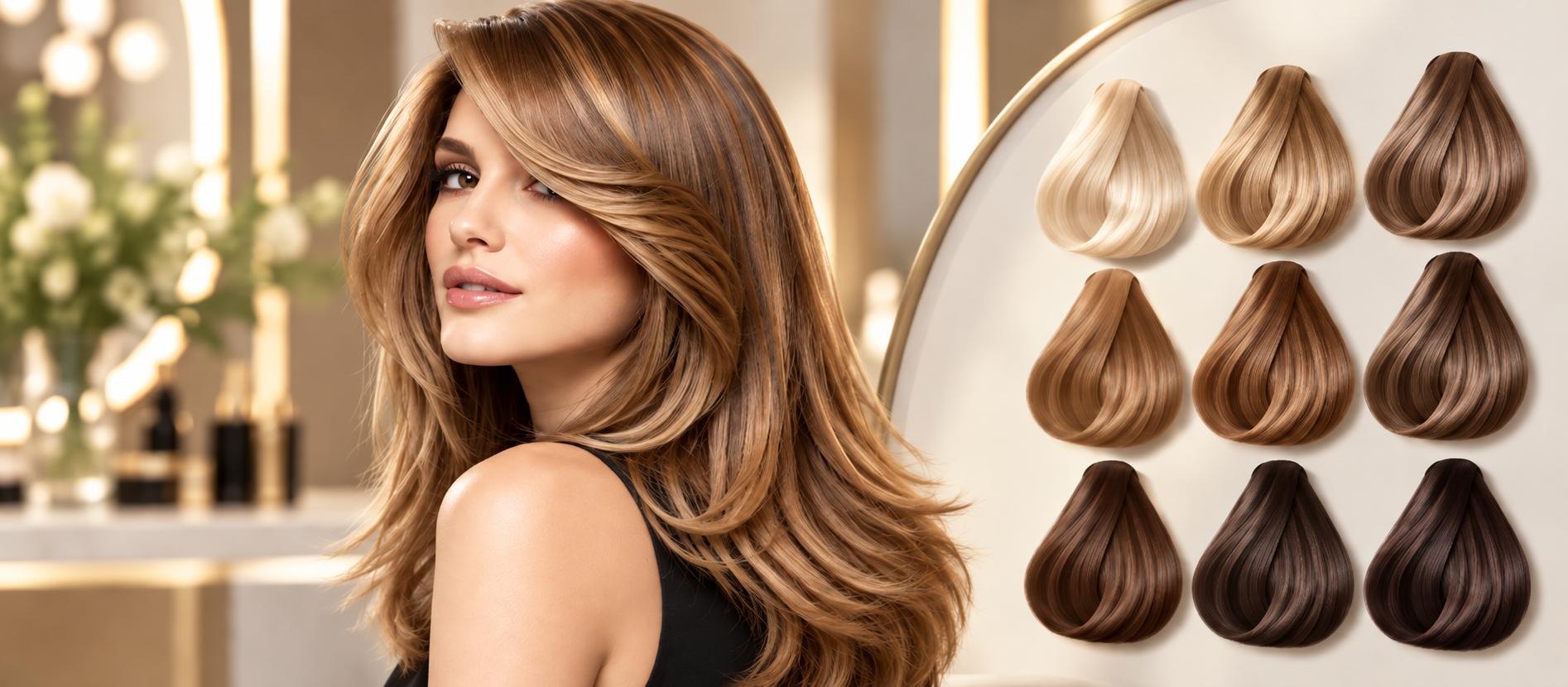
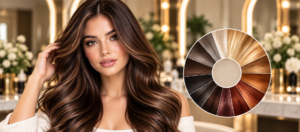
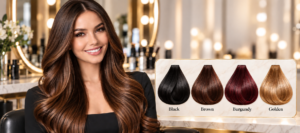
In most professional systems, hair color levels are arranged from Level 1 to Level 10, with Level 1 representing the darkest hair and Level 10 representing the lightest blonde.
In this guide, we explain professional hair color levels 1–10 in simple terms and show how stylists use them during consultation, formulation and coloring services.
What Are Professional Hair Color Levels?
Professional hair color levels describe the depth or lightness of hair.
They do not directly describe whether a shade is warm, cool, golden, ash, copper or red. Instead, the level tells you how dark or light the overall color is.
For example, two shades may both be Level 6 but have different tones. One could be a warm golden shade, while another could be a cooler ash shade.
This distinction is important because professional hair coloring typically considers two separate factors:
Level = Depth
Tone = Color reflection or undertone
Understanding both helps salon professionals create a more precise color formula.
Hair Color Levels 1–10 at a Glance
A typical professional hair color level system may look like this:
- Level 1 – Black
- Level 2 – Very Dark Brown
- Level 3 – Dark Brown
- Level 4 – Medium Brown
- Level 5 – Light Brown
- Level 6 – Dark Blonde
- Level 7 – Medium Blonde
- Level 8 – Light Blonde
- Level 9 – Very Light Blonde
- Level 10 – Lightest Blonde
Exact descriptions can vary slightly between professional hair color brands, but the overall concept remains similar.
Level 1 – Black
Level 1 is generally considered the darkest level in a professional hair color system.
It represents deep black hair with very little visible lightness.
Natural Level 1 hair typically contains a strong concentration of dark pigment. Because of this, lifting Level 1 hair to a lighter shade may require significant lightening.
When working with naturally very dark hair, professionals need to consider the underlying pigments that may become visible as the hair lightens.
Level 2 – Very Dark Brown
Level 2 is slightly lighter than black but still appears extremely dark.
In some lighting conditions, Level 2 hair may look almost black. However, under brighter light, a very deep brown tone can often be seen.
Level 2 is common among naturally dark-haired clients.
When moving from Level 2 to lighter shades, stylists should carefully evaluate hair condition, previous color history and the desired final result.
Level 3 – Dark Brown
Level 3 is usually described as dark brown.
Unlike Level 1 or Level 2, the brown character becomes more noticeable.
This level can create rich, deep brunette results and may work well for clients who want dark hair without the intensity of black.
Professional colorists may also use Level 3 as a foundation when creating deeper chocolate, neutral, red-brown or cool brunette shades.
Level 4 – Medium Brown
Level 4 is a classic medium brown depth.
It offers a balance between very dark brunette shades and lighter brown colors.
Many professional hair color collections offer a wide range of tonal variations at Level 4, including:
- Natural brown
- Ash brown
- Golden brown
- Copper brown
- Red brown
The final appearance depends heavily on the tonal direction selected.
Level 5 – Light Brown
Level 5 is generally described as light brown.
It is noticeably lighter than traditional medium brown but still falls within the brunette family.
Level 5 can be a versatile level for salon coloring because it can support many different tonal directions.
For example, a stylist may create:
- Neutral light brown
- Warm golden brown
- Cool ash brown
- Copper brown
- Mahogany brown
The client’s starting level and existing pigment must be considered before choosing the final formula.
Level 6 – Dark Blonde
Level 6 is often called dark blonde, although on some clients it may visually appear similar to a very light brown.
This is one reason professional level systems are helpful. Everyday terms such as “light brown” and “dark blonde” can be subjective, while a level number provides a more standardized reference.
Level 6 is frequently used for natural-looking dimensional colors, highlights and blended brunette-to-blonde transitions.
Level 7 – Medium Blonde
Level 7 is typically classified as medium blonde.
At this level, the hair appears clearly lighter than brunette shades.
Depending on the tone, Level 7 can create many different looks, such as:
- Natural blonde
- Golden blonde
- Beige blonde
- Ash blonde
- Copper blonde
Professional stylists need to consider the underlying warmth present in the hair when creating cooler Level 7 results.
Level 8 – Light Blonde
Level 8 represents a lighter blonde result.
Hair at this level may display noticeable yellow or golden undertones depending on the starting color and lightening process.
Because lighter levels expose more underlying pigment, professional toning becomes especially important.
For example, if the desired result is a cool blonde but the hair shows excessive warmth, the stylist may use an appropriate toner or color formula to balance the unwanted tone.
Level 9 – Very Light Blonde
Level 9 is a very light blonde.
At this stage, much of the natural dark pigment has been removed or lightened.
Hair may reveal pale yellow undertones, especially after lightening.
Level 9 is often used as a base for cooler, beige, pearl or pastel blonde results.
Because hair has usually undergone significant lightening to reach this level, maintaining hair condition becomes very important.
Level 10 – Lightest Blonde
Level 10 is generally considered the lightest standard blonde level in a 1–10 professional hair color system.
It usually appears extremely pale blonde.
At this level, the remaining underlying pigment is often very light yellow.
Level 10 hair can be used to create shades such as:
- Platinum blonde
- Pearl blonde
- Very light ash blonde
- Pale beige blonde
However, reaching Level 10 safely depends on the starting color, hair condition and previous chemical treatments.
Not every client should be lightened to Level 10 in a single session.
Why Hair Color Levels Matter in Professional Coloring
Professional hair color levels help stylists make better decisions before applying color.
They can help determine:
- The client’s natural starting point
- The target hair color
- The number of levels that need to be lifted
- Whether lightening is necessary
- Whether the hair needs to be darkened
- Which developer may be appropriate
- Which underlying pigments may appear
- Which toner may be required
Without identifying the correct level, achieving a predictable result becomes more difficult.
Starting Level vs Target Level
One of the most important concepts in professional hair coloring is the difference between the starting level and the target level.
The starting level is the client’s current depth.
The target level is the desired final depth.
For example:
If the client’s hair is Level 4 and the desired result is Level 7, the stylist needs to lighten the hair by approximately three levels.
If the client is Level 8 and wants Level 5, the stylist is moving darker rather than lighter.
The coloring approach will be different in each situation.
Natural Hair Level vs Artificial Hair Color
Another important distinction is whether the hair is natural or previously colored.
Natural hair may respond differently to hair color compared with hair that already contains artificial pigment.
A common professional principle is that permanent hair color does not reliably lighten previously applied permanent color in the same way that it may lift natural pigment.
Therefore, stylists must always ask about previous hair color before deciding on a formula.
Color history can significantly affect the final result.
Hair Color Level and Underlying Pigment
As natural hair is lightened, underlying warm pigments become visible.
These can range from deeper red tones at darker levels to orange, yellow-orange and yellow at lighter levels.
This is why lightening dark hair does not immediately produce a cool blonde result.
A stylist must understand what pigment is likely to appear at each stage and then decide whether the goal is to enhance, soften or neutralize it.
This knowledge is especially important during blonding and color correction.
Hair Level and Tone Are Not the Same
Many people confuse level with tone.
The difference is simple.
Level tells you how dark or light the hair is.
Tone tells you what color reflection the hair has.
For example, two Level 7 shades might be:
- Level 7 Golden Blonde
- Level 7 Ash Blonde
Both have the same approximate depth, but the overall appearance can be very different because the tonal direction changes.
This is why professional hair color systems often combine level numbers with additional numbers or letters.
How Stylists Determine a Client’s Hair Level
Professional hairstylists usually evaluate the client’s hair in good lighting and compare it with a professional shade chart.
The most accurate area to assess is generally the natural regrowth, especially if the rest of the hair has been previously colored.
Stylists may also consider:
- Root level
- Mid-length color
- End color
- Percentage of grey
- Previous hair color
- Porosity
- Hair condition
- Natural undertone
It is possible for different sections of the hair to appear at different levels, particularly when there is previous color or sun exposure.
Hair Levels and Grey Coverage
Hair color levels also matter when covering grey hair.
A stylist must evaluate both the client’s natural depth and percentage of grey.
For example, a client with Level 4 natural hair and 70% grey may require a different formula from someone with Level 4 hair and only 10% grey.
Natural or neutral shades are often incorporated into professional grey coverage formulas, depending on the desired result and the manufacturer’s instructions.
Hair Levels and Developer Selection
Hair color level is one of several factors professionals consider when choosing a developer.
The developer should not be selected only according to the desired shade.
The stylist also needs to evaluate:
- Starting level
- Target level
- Required lift
- Grey coverage needs
- Hair condition
- Type of color product
- Manufacturer’s recommendations
Using the correct developer is essential for achieving consistent professional results.
Can One Hair Color Level Look Different on Different People?
Yes.
Two people with the same numerical level may still have noticeably different-looking hair.
This can happen because of differences in:
- Natural undertone
- Hair texture
- Porosity
- Previous color
- Lighting
- Tonal direction
For this reason, professional hair color levels should be viewed as a technical guide rather than a guarantee of exactly identical appearance.
Common Mistakes When Identifying Hair Color Levels
A common mistake is judging hair level in poor lighting.
Warm indoor lighting can make hair appear more golden or darker than it actually is.
Another mistake is assessing previously colored lengths instead of the natural regrowth.
Other common errors include:
- Confusing tone with level
- Ignoring previous artificial color
- Underestimating the darkness of natural hair
- Choosing a target level only from a swatch
- Ignoring grey percentage
- Ignoring hair condition
Accurate assessment before coloring helps prevent these problems.
How Hair Color Levels Help During Salon Consultation
A professional consultation becomes more precise when levels are used.
Instead of a client simply saying, “I want lighter brown hair,” the stylist can determine the current level and explain what target level may be achievable.
For example:
Current hair: Level 3
Desired result: Level 6
This gives both the stylist and client a clearer understanding of how much change is involved.
The stylist can then discuss whether the desired result may require one process, multiple sessions or additional lightening.
Understanding professional hair color levels 1–10 is one of the foundations of professional hair coloring.
The level system provides a clear way to describe hair depth, from deep black at Level 1 through progressively lighter brown and blonde shades up to Level 10.
However, identifying the level is only one part of professional color formulation.
Stylists must also consider tone, underlying pigment, previous color, grey percentage, hair condition and the desired final result.
By combining accurate level assessment with professional color theory, hairstylists can create more controlled, consistent and customized salon results.
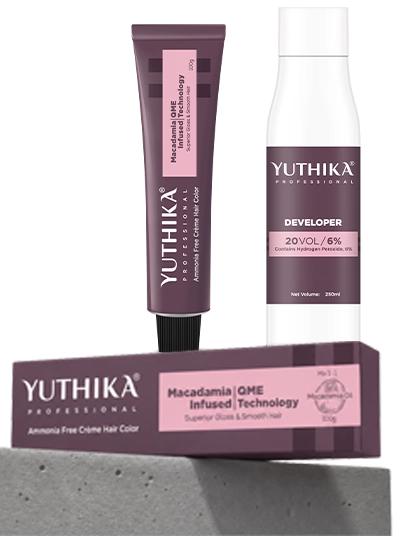
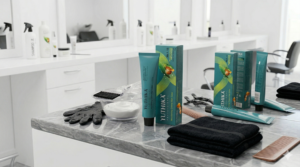
Yuthika Professional offers professional hair color solutions designed for salon professionals and modern hair coloring services. Explore the Yuthika Professional range to discover professional color options for a variety of salon needs.

 Yuthika Professional Crème Hair Color
 Yuthika Highlift
 Evano Beard Color Creme
 CosGlam
 Yuthika Ultracare Range
 Yuthika Vertix Range
 Yuthika Argan Oil
 Nish Daily Care Range