Understanding Professional Hair Color: A Comprehensive Guide
What is Professional Hair Color?
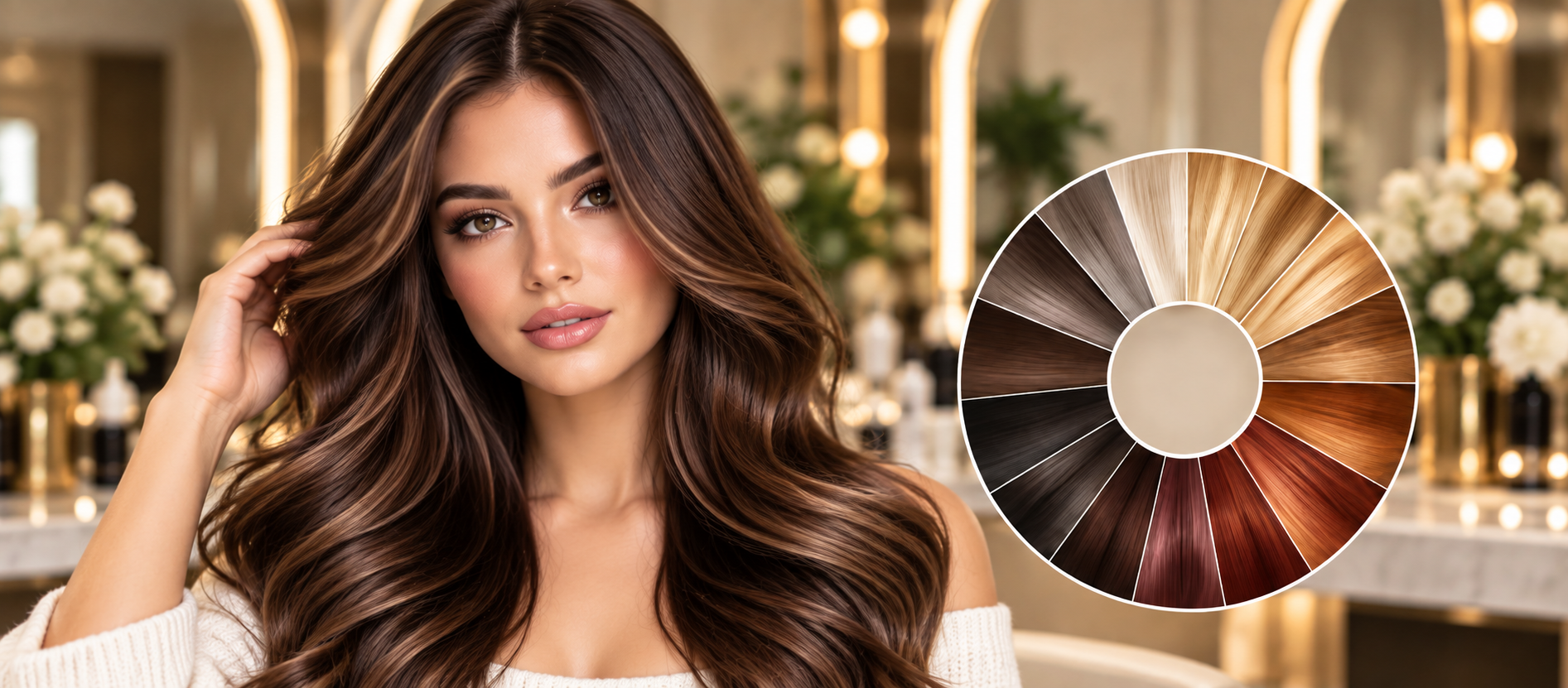
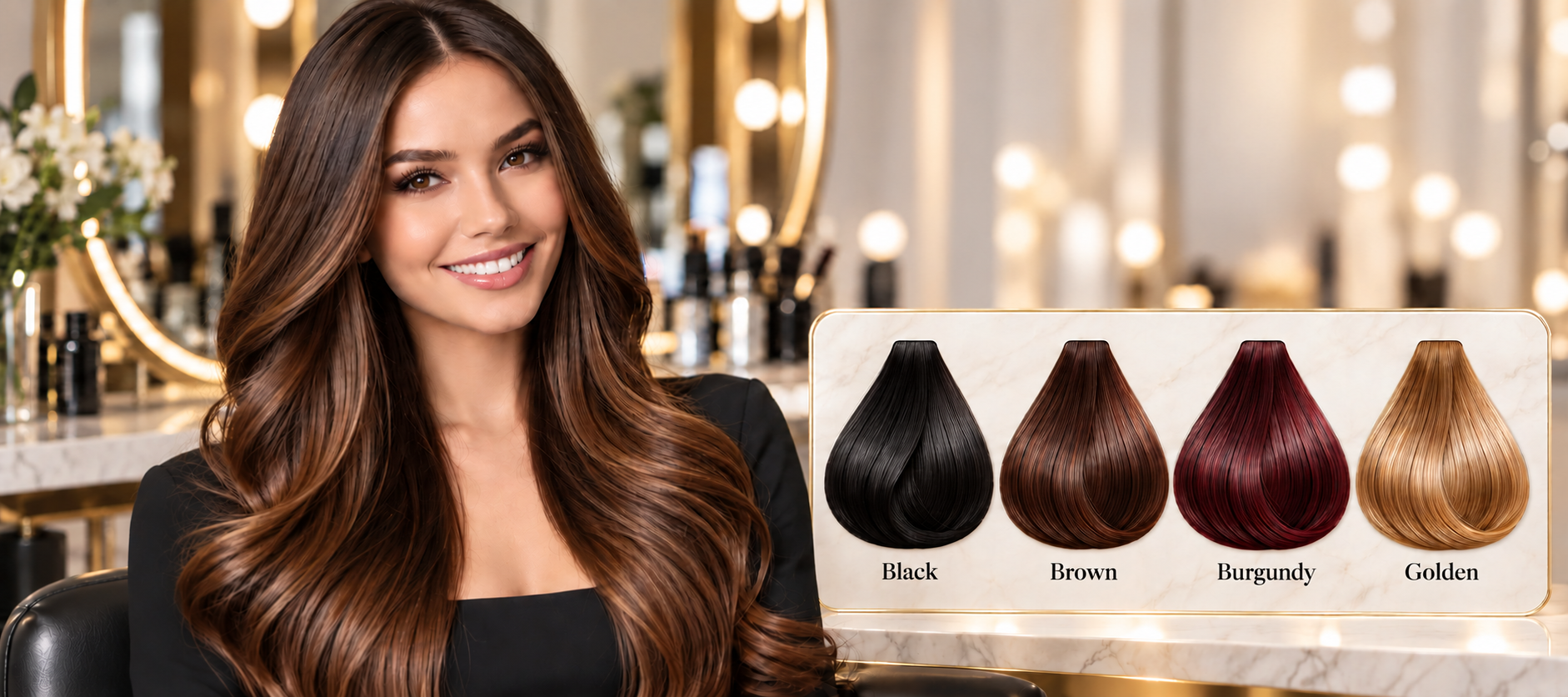
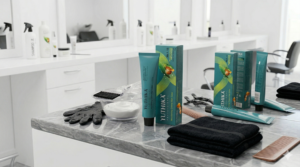
Professional hair color refers to high-quality hair coloring products that are typically used in salons by trained technicians. Unlike regular hair dyes available in retail stores, professional hair color is formulated with advanced technology that ensures better results, longer-lasting color, and conditioning benefits. These products often contain a higher concentration of color pigments, allowing for more vibrant and true-to-tone finishes.
One of the main distinctions of professional hair color lies in its formulation. It generally includes high-quality ingredients designed to promote hair health while effectively delivering the desired color. The pH balance in professional products is meticulously adjusted to ensure the cuticles of the hair shaft open properly, allowing the color to penetrate effectively. This results in richer, deeper shades that maintain their brilliance even after several washes.
Moreover, professional hair color is often ammonia-free or contains lower levels of ammonia compared to over-the-counter options, meaning it is less likely to damage the hair during the coloring process. The incorporation of nourishing agents such as oils, proteins, and vitamins is prevalent in these products, contributing to hair softness and shine. Thus, the quality of the ingredients plays a crucial role in achieving aesthetic results while safeguarding the hair’s integrity.
The importance of using professional hair color cannot be overstated. It not only facilitates more precise and creative coloring techniques but also minimizes the risk of damage. Salons typically conduct a thorough consultation to assess hair type and condition, which allows for the selection of the most suitable professional hair color. This personalized approach enhances the effectiveness of the color application and ultimately results in a more satisfying outcome.
Types of Professional Hair Color Products
When it comes to professional hair color, there are several types available to hairstylists and individuals seeking to achieve their desired look. The three primary categories of professional hair color include permanent, semi-permanent, and demi-permanent options. Each type serves distinct purposes and provides unique benefits that cater to various hair coloring needs.
Permanent hair color is designed for long-lasting results, making it an ideal choice for individuals looking to make significant changes to their natural hair color. This type of color penetrates the hair shaft, providing a rich and enduring hue that can withstand multiple washes. Permanent color is particularly effective for covering gray hair, allowing for a uniform appearance that lasts until new hair growth emerges. The chemical formulation used in permanent colors typically involves an ammonia component that lifts the hair cuticle, enabling the color to deeply embed within the hair.
On the other hand, semi-permanent hair color is a versatile option that tends to last for about 4 to 12 shampoos, depending on the hair’s condition and the product used. Semi-permanent color is ideal for those who want to experiment with subtle changes or enhance their existing shade without committing to a permanent solution. Unlike its permanent counterpart, semi-permanent formulas do not require ammonia and do not penetrate the hair shaft as deeply, making it a gentler alternative while still providing visible color results.
Demi-permanent hair color sits between the two, offering longer-lasting results than semi-permanent but not as permanent as traditional colors. This type utilizes a lower level of ammonia, allowing for a more muted effect that gradually washes out over time—typically lasting up to 24 shampoos. Demi-permanent color is often used for color corrections or blended highlights and is suitable for those looking for a low-maintenance option with less harshness.
In summary, understanding the various types of professional hair color products—permanent, semi-permanent, and demi-permanent—enables individuals to make informed decisions tailored to their hair needs. Each type has its specific applications, benefits, and ideal use cases, making them distinct from typical drugstore alternatives.
The Hair Coloring Process in Salons
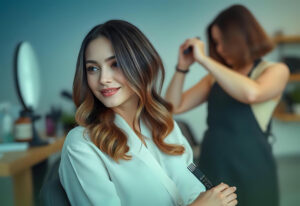
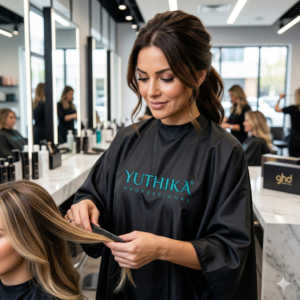
In the realm of hair care, professional hair coloring remains one of the most sought-after services offered in salons. The process is carefully designed to achieve the desired color while ensuring the health and integrity of the hair. From the initial consultation to the final aftercare, each step is crucial for a successful outcome.
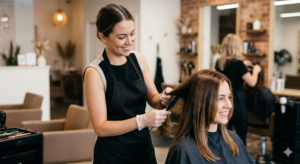
The journey typically begins with a consultation. Here, the stylist engages the client in a dialogue to understand their vision, hair history, and any specific preferences. This stage is vital for establishing realistic expectations and recommendations based on the client’s hair type, length, and texture. The stylist may assess the condition of the hair and discuss various coloring options, such as balayage, highlights, or a full-color application.
Following the consultation, the next phase is preparation. This often involves pre-treatments or consultations about color selection, where the stylist chooses the appropriate hair dye formulation. An essential part of this step is ensuring that the chosen color not only complements the client’s skin tone but also fits their lifestyle. Products like deep conditioning treatments may be applied beforehand to protect the hair from potential damage.
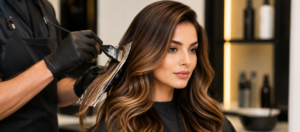
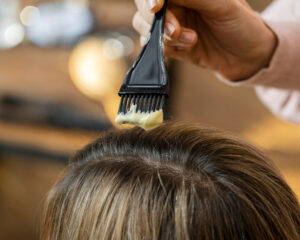
Next, comes the application process. Procedures may vary depending on the selected technique, but professionalism and expertise are key. The stylist meticulously applies the color, often utilizing specific tools and methods to ensure an even distribution. Timing is equally critical, as leaving the dye on for too long or not long enough can drastically alter the outcome.
After the coloring process is complete, thorough rinsing and conditioning follow. The stylist will provide information on aftercare, emphasizing the significance of using color-safe shampoos and conditioners. Regular maintenance appointments may also be discussed to maintain the vibrancy of the hair color.
In summary, the professional hair coloring process encompasses a series of carefully coordinated steps. With a focus on technique and the stylist’s experience, clients can enjoy a stunning transformation while keeping the health of their hair intact.
Understanding Hair Color Formulation
Professional hair color formulation is a meticulous process grounded in both science and artistry. The goal of hair color professionals is to create hues that meet the client’s desired outcomes while using products that ensure the health and integrity of the hair. A fundamental aspect of this formulation is color theory, which provides the basis for how colors interact with each other and how they appear on the hair.
At the core of color theory are the primary colors: red, blue, and yellow. These colors can be mixed to create secondary colors (green, orange, and purple), a concept that is essential for achieving the desired hair color. Furthermore, understanding the wheel of complementary colors allows professionals to counteract unwanted tones; for instance, using a blue-based color to neutralize orange undertones.
Another critical component of hair color formulation is the concept of undertones. Hair does not consist merely of the surface color; rather, it contains various underlying pigments that can significantly influence the final result. For instance, blonde hair may display varying degrees of warmth, with underlying shades ranging from golden yellow to ash. Mastering how to assess and address these undertones is integral for professionals seeking to create a specific shade.
The role of pigmentation in hair color formulation is equally important. Permanent hair colors contain a combination of direct and oxidative dyes, where direct dyes provide instant coloration, and oxidative dyes develop within the hair shaft to create long-lasting effects. Professionals also consider the level of lift—how much the natural pigment is removed to achieve the desired color. This lift factor is determined by both the type of developer used and the duration of the application. Through this understanding of pigmentation and lift, a professional can customize the formulation to achieve the client’s desired results.
Choosing the Right Hair Color for Your Client
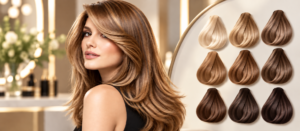
When it comes to selecting the right hair color for clients, professionals in the hair industry employ various strategies and considerations to achieve the best results. One of the primary factors to evaluate is the client’s skin tone, as certain hair colors can either complement or clash with their natural complexion. Generally, warm skin tones tend to look best with golden, honey, and copper shades, while cool skin tones are often enhanced with ash, platinum, or deep chestnut hues.
In addition to skin tone, the client’s natural hair color plays a significant role in the hair coloring process. A stylist must consider how drastically the new color will differ from their client’s current shade, as this will impact both the final appearance and the necessary techniques for application. It is crucial to engage the client in a detailed conversation about their desired outcome to align expectations with technical feasibility.
Another important element to factor in is the maintenance level that the client is willing to commit to. Some colors, particularly vibrant shades or lighter hues achieved through bleaching, require more frequent salon visits and specific hair care products to maintain their vibrancy. Conversely, darker shades or natural-looking highlights may necessitate less upkeep, which might better suit clients with a busy lifestyle or those new to hair coloring.
Finally, understanding the client’s personal style and preferences can greatly inform the decision-making process. A stylist should assess the client’s wardrobe, makeup style, and overall aesthetic to ensure that the chosen hair color harmonizes with their lifestyle. This individualized approach not only enhances satisfaction but also promotes a more unified and stylish appearance for the client.
Trends in Professional Hair Color
The professional hair color industry is continuously evolving, influenced by a myriad of factors including fashion, cultural shifts, and advancements in coloring techniques. Currently, a few notable trends are dominating the hair color landscape, attracting both stylists and clients alike.
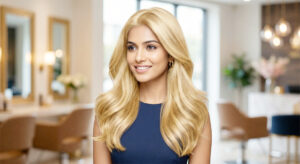
One prominent trend is the rise of natural shades and earth tones. Consumers are increasingly gravitating towards colors that mimic their natural hair, such as warm blondes, rich browns, and soft reds. These shades offer a subtle elegance and are often easier to maintain than more dramatic colors, aligning with the growing preference for low-maintenance hairstyles.
Another significant trend involves the use of techniques like balayage and ombre. Balayage, a freehand painting technique, allows for a more natural transition of color and dimension, making it a favorite among clients seeking a sun-kissed look. Ombre, characterized by a gradient effect, has also retained its popularity, as it provides a bold statement while still allowing for creative expression. Both techniques foster a personalized approach to hair color, enabling clients to customize their look based on their preferences and lifestyles.
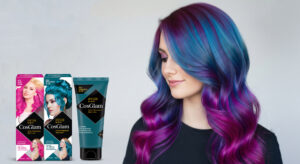
Furthermore, the influence of social media on hair color trends cannot be underestimated. Platforms like Instagram and TikTok have become essential tools for hairstylists and clients alike. They facilitate the sharing of ideas, techniques, and results, allowing trends to spread rapidly around the globe. Influencers often showcase bold and unconventional hair colors, inspiring others to explore adventurous color options such as vivid blues, pastel pinks, and other unconventional hues.
As we progress through the year, the focus on individuality and personalization in hair color is expected to continue. Stylists are encouraged to embrace these trends while considering their clients’ unique identities and lifestyles, ultimately leading to more satisfying and empowering hair coloring experiences.
Maintenance of Professional Hair Color
Maintaining professional hair color is essential for preserving its vibrancy and longevity. To achieve the desired results, it is important to adopt effective practices and choose the right products. A systematic approach to hair care not only enhances the appearance of color-treated hair but also ensures that it remains healthy.
One of the primary objectives of maintaining color-treated hair is to prevent fading. Fading can occur due to various factors, including sun exposure, shampooing frequency, and the use of harsh products. To counteract this, it is advisable to use sulfate-free shampoos specifically designed for color-treated hair. These shampoos are gentler and help maintain the integrity of the hair color while cleansing without stripping essential oils. Additionally, it is beneficial to limit washing your hair to a few times a week to reduce color loss.
Incorporating deep conditioning treatments into your routine is another effective method for maintaining professional hair color. These treatments provide much-needed hydration to color-treated hair, which can often become dry and frizzy. Look for products that contain natural oils and proteins, which can help restore moisture and elasticity. Applying a deep conditioner once a week can significantly improve the texture and appearance of your hair.
Another key aspect of maintenance is protecting your hair from environmental factors. When spending extended periods outdoors, applying a protective spray with UV filters can help shield hair from sun damage. Similarly, chlorine from swimming pools can adversely affect hair color; therefore, wearing a swim cap or rinsing hair before and after swimming can mitigate its impact.
Regular touch-ups are vital for keeping hair color looking fresh. Depending on the type of color treatment, scheduling a touch-up every 4 to 8 weeks is generally recommended. This ensures that roots are consistently maintained and that the overall shade remains even. Consultation with a professional stylist can help determine the best schedule based on individual hair growth and product used.
Common Mistakes in Professional Hair Coloring
When embarking on the journey of professional hair coloring, it is important to be aware of common mistakes that can occur during the process. Misjudgments and oversights can lead to unsatisfactory results, which is why understanding these pitfalls and how to avoid them is essential for both professionals and clients alike.
One of the most frequent mistakes in hair coloring is color mismatch. This may happen when the color selected does not align with the client’s natural hair color, skin tone, or desired outcome. To prevent this, it is vital to conduct a thorough consultation beforehand. Practitioners should assess the client’s individual characteristics and preferences, and possibly perform a strand test to ascertain the most flattering shade. This step not only helps in ensuring satisfaction but also minimizes the risk of unexpected results.
Another common issue encountered in the professional hair coloring process is over-processing. This typically occurs when the hair is subjected to dyes or bleach for extended periods, leading to damage and undesirable texture. To avoid over-processing, closely following the recommended processing times specified by the product’s manufacturer is essential. Additionally, using deep-conditioning treatments can help mitigate damage and maintain hair health.
Additionally, not using the proper tools can lead to uneven application, which is a significant concern in professional hair coloring. Using high-quality brushes and applicators designed specifically for hair coloring can make a noticeable difference. Clients should also be encouraged to invest in at-home care products that are compatible with their new color to ensure longevity and vibrancy.
Finally, the lack of proper communication between the stylist and the client can lead to misunderstandings and unmet expectations. Both parties must engage in open and honest dialogue about desired outcomes, potential limitations, and maintenance care to foster a positive experience.
By being mindful of these common mistakes and adopting preventative measures, the hair coloring process can lead to more consistent and satisfying results, ensuring the best possible experience for the client.
The Future of Hair Coloring Technologies
The hair coloring industry is on the brink of significant advancements that promise to enhance the experience for both professionals and consumers. As innovative technologies continue to evolve, we can anticipate remarkable changes in formulation, application techniques, and sustainability practices that will shape the future of hair coloring.
One of the most promising areas for development lies in the formulation of hair color products. As research into natural and organic ingredients accelerates, we may witness a surge in hair dyes that are not only effective but also gentler on the hair and scalp. Innovations could lead to the creation of semi-permanent or permanent color products derived from plant-based compounds, offering vibrant shades while minimizing chemical exposure.
Moreover, improvements in application techniques are likely to revolutionize how hair coloring services are rendered. For example, the emergence of smart technology could allow for personalized color matching and real-time monitoring during the coloring process. Devices equipped with AI might analyze hair type, condition, and desired outcomes, suggesting optimal formulations and techniques tailored to individual needs. This could result in more successful application and satisfaction rates among clients.
Sustainability is another critical aspect that is rapidly gaining importance in the hair coloring industry. The future may see the rise of biodegradable packaging and low-impact production processes aimed at reducing waste. Brands are likely to focus on transparency, offering consumers insights into their sourcing and manufacturing practices. Consequently, this could lead to a more environmentally conscious consumer base that prefers products with minimal ecological footprints.
In summary, the future of hair coloring technologies is poised for impressive developments. With a focus on safer formulations, innovative application methods, and sustainable practices, the industry is likely to enhance both the efficacy and experience of hair coloring. Continuous investments in research and technology will be indispensable to facilitate these advancements and cater to an increasingly discerning clientele.

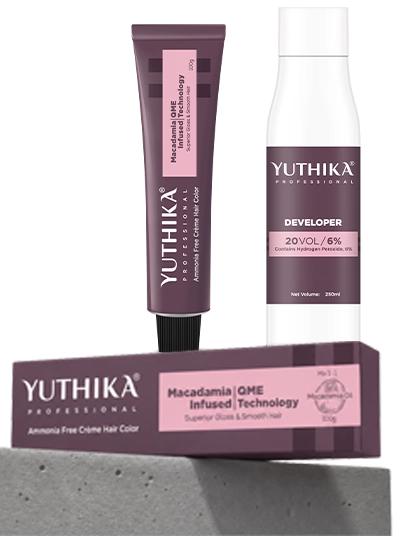
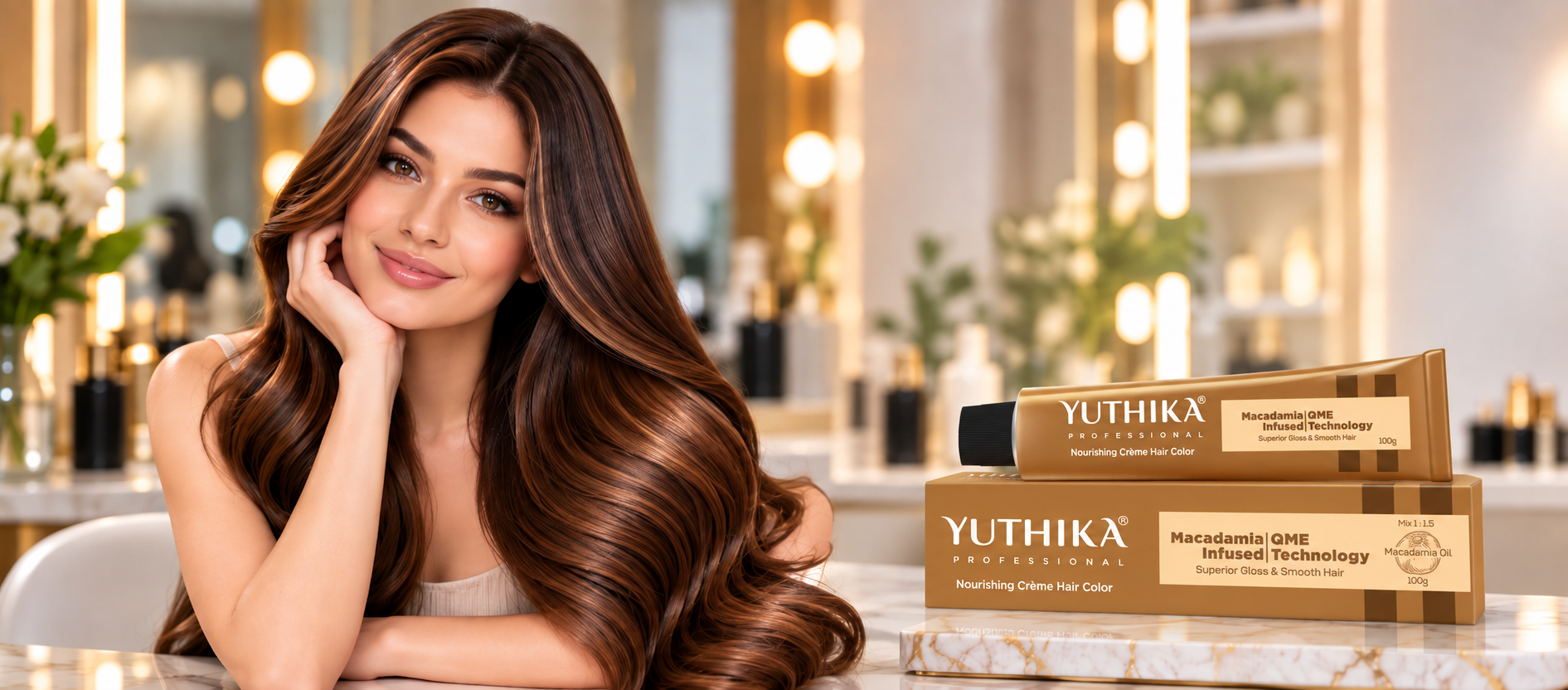
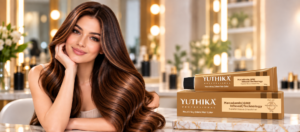
 Yuthika Professional Crème Hair Color
 Yuthika Highlift
 Evano Beard Color Creme
 CosGlam
 Yuthika Ultracare Range
 Yuthika Vertix Range
 Yuthika Argan Oil
 Nish Daily Care Range