How to Choose the Best Professional Hair Color for Your Hair
Choosing the right professional hair color can completely transform your appearance. Whether you want to cover grey hair, enhance your natural shade, or try a new look, selecting the best hair color is important for achieving beautiful, long-lasting results.
With so many hair color shades and formulas available, finding the right option can feel confusing. Your natural hair color, hair condition, skin undertone, and desired result all play an important role.
In this guide, you will learn how to choose the best professional hair color step by step for a smooth, shiny, and salon-quality finish.
What Is Professional Hair Color?
Professional hair color is a specialized coloring formula designed to deliver controlled, even, and customizable results. It is commonly used in salons to achieve natural shades, grey coverage, highlights, and complete hair transformations.
Unlike standard ready-to-use coloring products, many professional hair color systems allow hairstylists to select suitable shades and developers according to individual hair requirements.
Benefits of Professional Hair Color
- Rich and vibrant hair color shades
- Even color application from roots to ends
- Effective grey hair coverage
- Customizable color results
- Long-lasting color with proper maintenance
- Smooth and glossy-looking hair
Choosing a quality professional formula and following the correct application process can help achieve consistent results.
How to Choose the Best Professional Hair Color: Step-by-Step Guide
Step 1: Identify Your Natural Hair Color
Before choosing any hair color, understand your current hair shade.
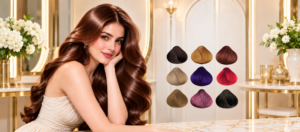
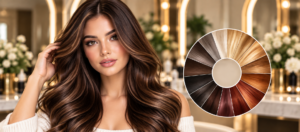
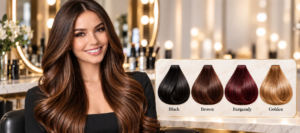
Natural hair colors generally range from black and dark brown to light brown and blonde. Your starting shade determines how easily you can achieve your desired result.
For example:
- Black Hair: Dark brown, burgundy, and deep chocolate shades can create subtle changes.
- Dark Brown Hair: Chocolate brown, mahogany, and reddish-brown shades can add richness.
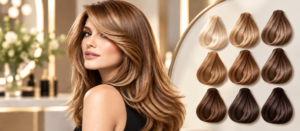
- Light Brown Hair: Caramel, golden brown, and blonde shades may offer noticeable changes.
- Blonde Hair: Ash blonde, golden blonde, and other light tones can create different finishes.
Remember that previously colored hair may respond differently from natural hair.
Step 2: Choose Hair Color According to Your Skin Undertone
Your skin undertone can help you select a flattering professional hair color.
Warm Undertones
Golden brown, caramel, copper brown, and warm chocolate shades can complement warm undertones.
Cool Undertones
Ash brown, cool brunette, burgundy, and cool blonde shades can create a balanced appearance.
Neutral Undertones
People with neutral undertones can experiment with both warm and cool hair color shades.
These are helpful guidelines rather than strict rules. Personal preference and your desired appearance matter equally.
Step 3: Select the Right Hair Color Formula
Different hair color formulas serve different purposes.
Permanent Hair Color
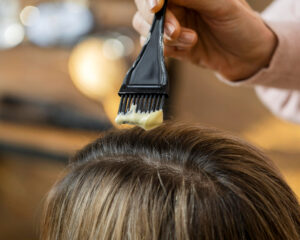
Permanent hair color is suitable for long-lasting color changes, root touch-ups, and grey coverage. It generally requires mixing with a compatible developer.
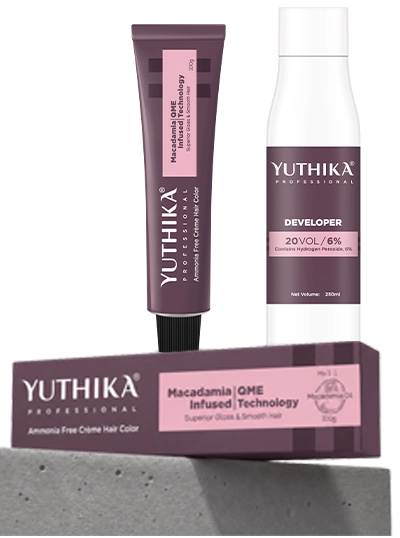
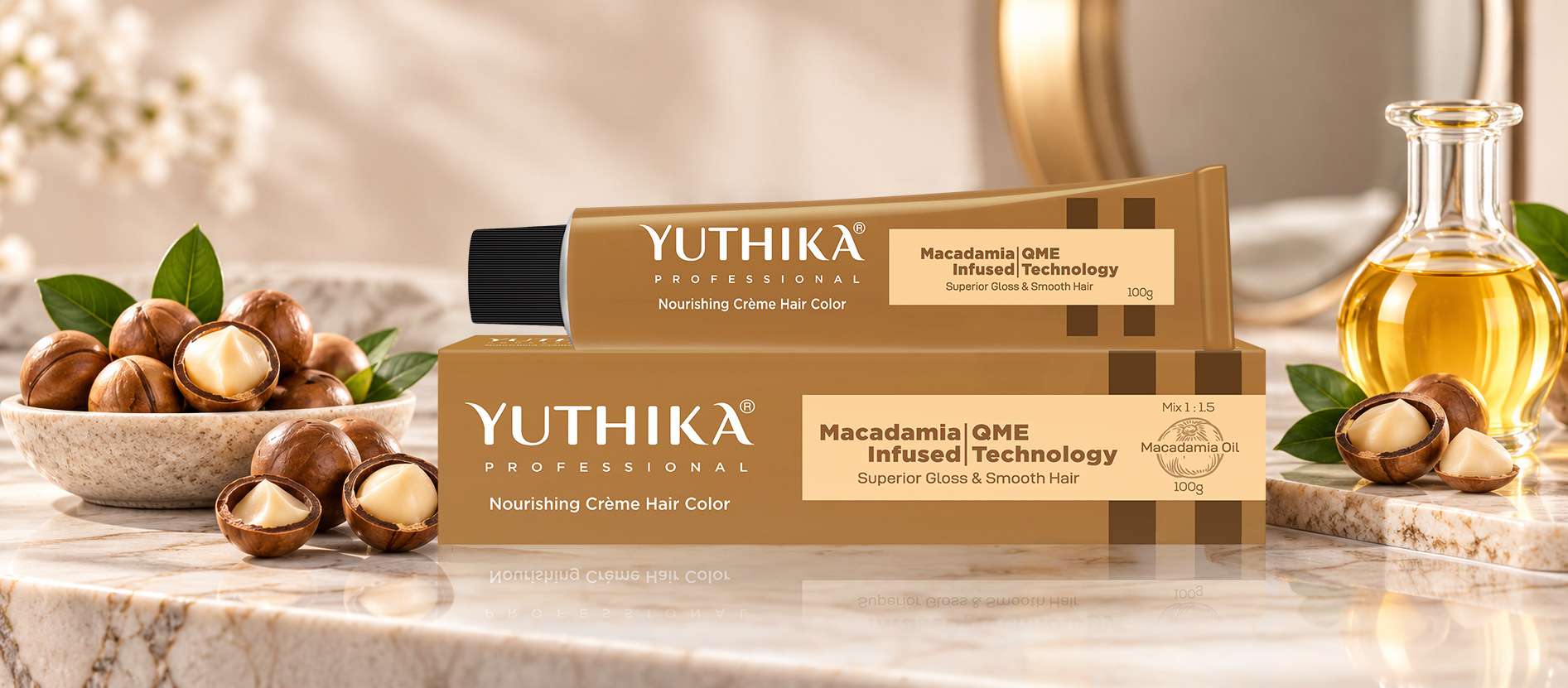
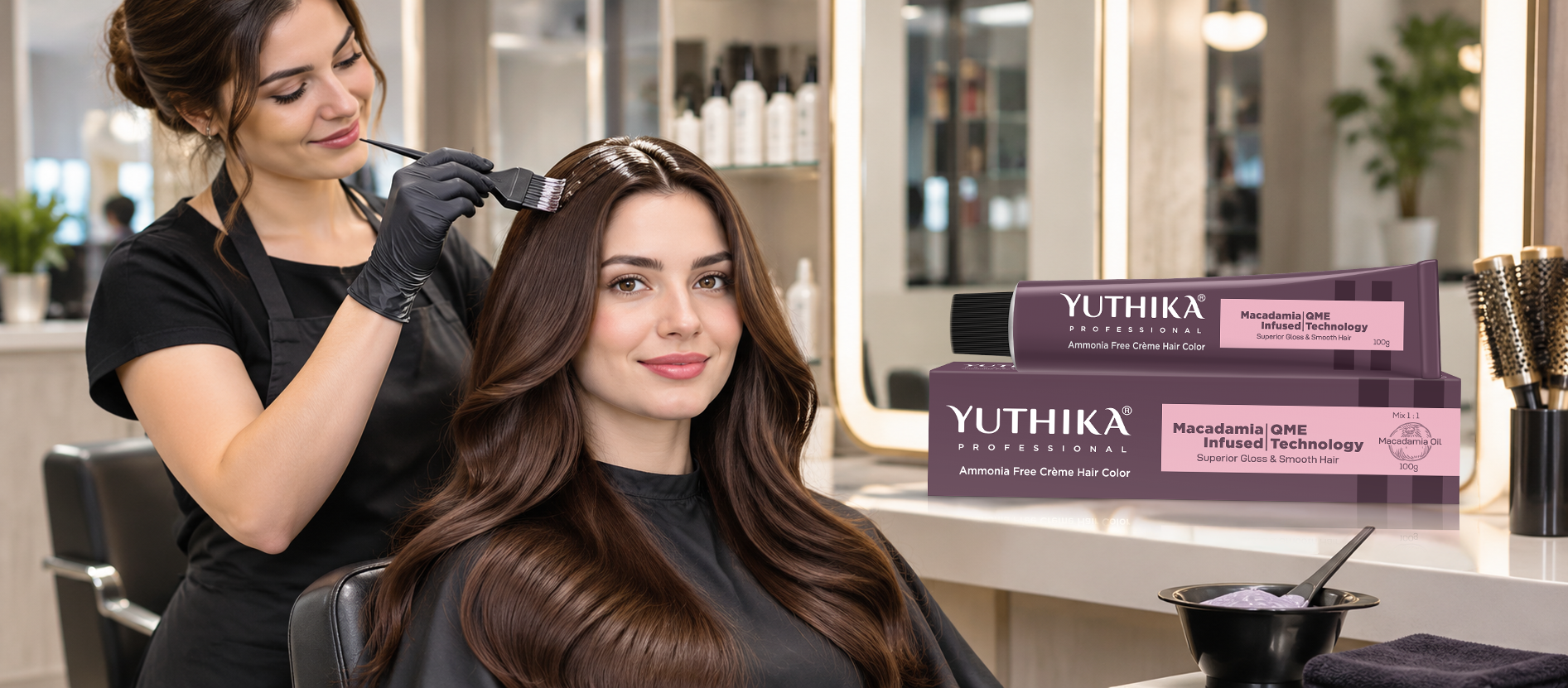
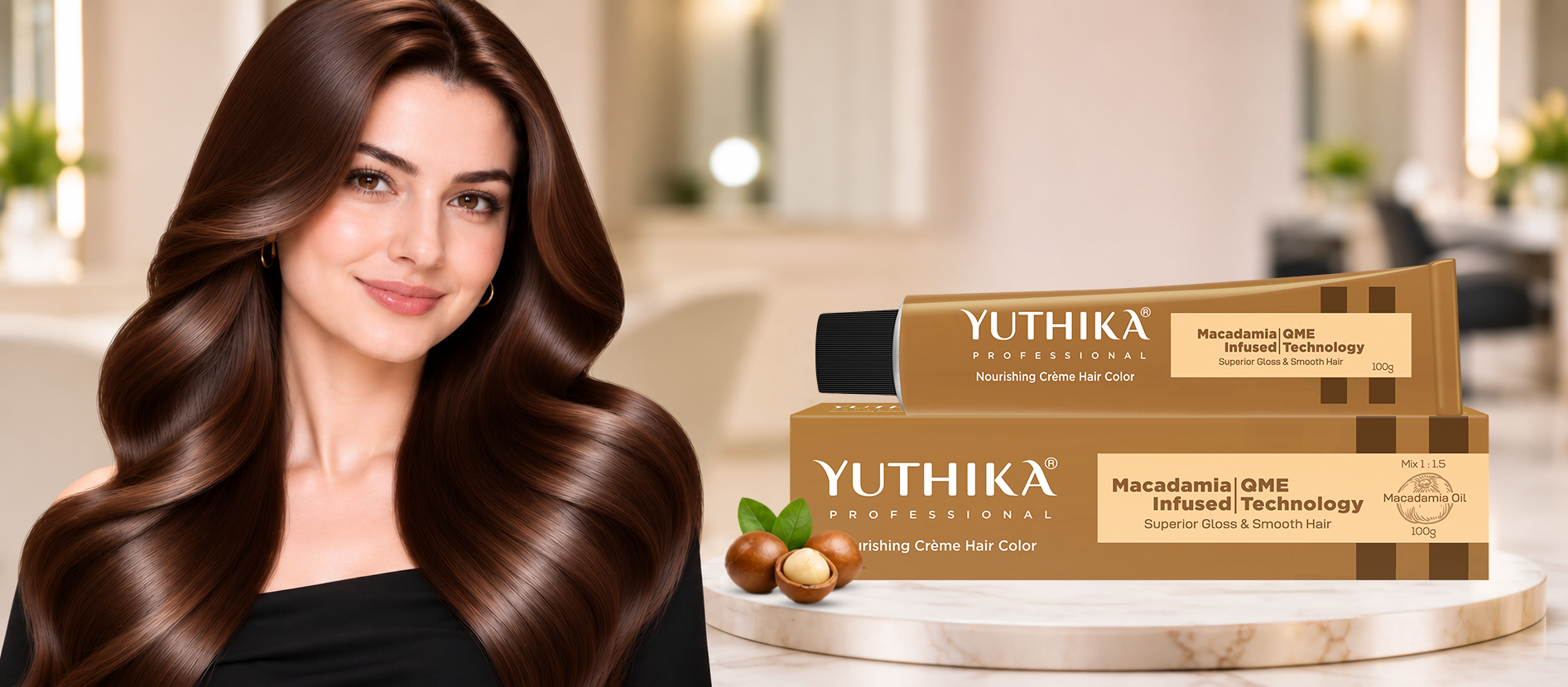
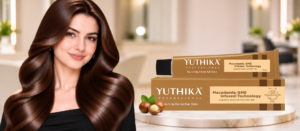
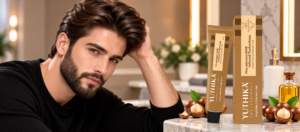
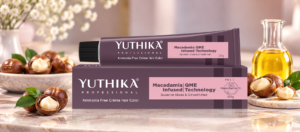
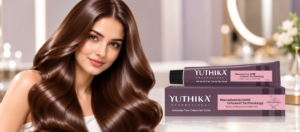
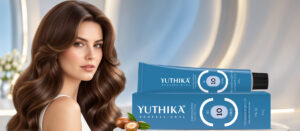
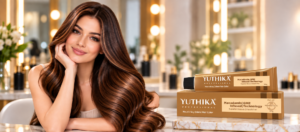
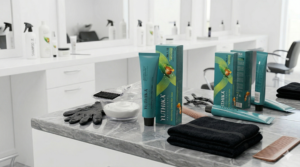
For rich pigmentation and even coverage, Yuthika Professional Crème Hair Color offers salon-focused coloring options with nourishing ingredients.
Semi-Permanent Hair Color
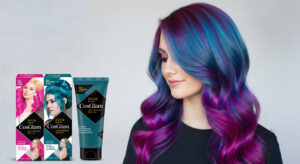
Semi-permanent hair color is suitable for temporary transformations, experimenting with fashion shades, or refreshing existing color. It gradually fades with washing.
Highlift Hair Color
Highlift formulas are designed to lighten suitable natural hair while creating lighter shades.
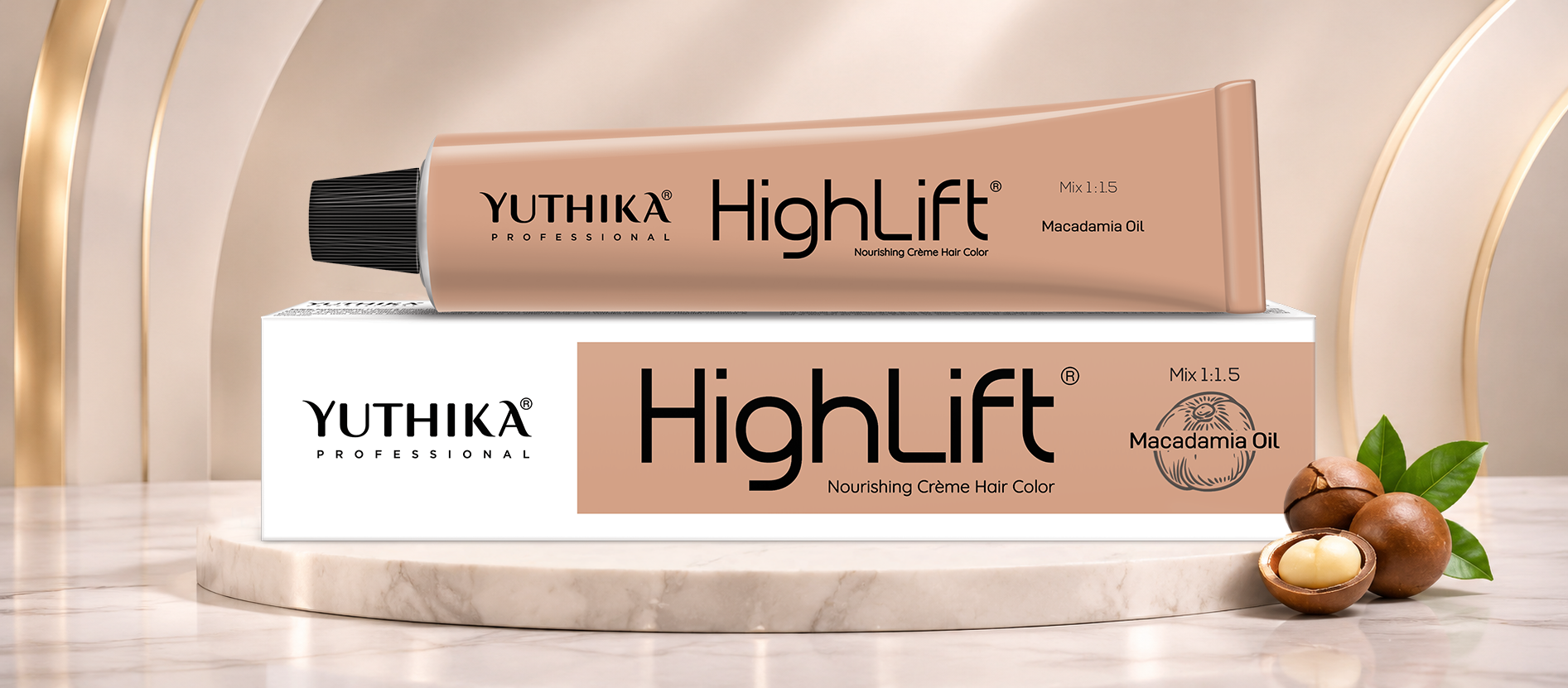
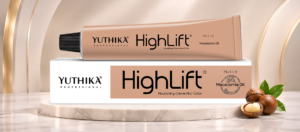
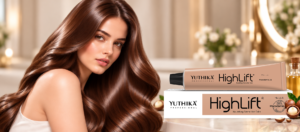
For professional blonde transformations, Yuthika Professional Highlift offers specialized shades developed for controlled lightening and salon applications.
The right formula depends on your starting color, previous treatments, and desired outcome.
Step 4: Consider Your Hair Type and Condition
Hair condition is another important factor when selecting the best professional hair color.
Dry Hair: Look for formulas containing conditioning ingredients that help maintain softness.
Thick Hair: Ensure sufficient product quantity and proper sectioning for even coverage.
Fine Hair: Choose a suitable formula and avoid unnecessary processing.
Damaged Hair: Consult a professional before coloring, particularly when lightening is required.
Hair that has been chemically treated, bleached, or previously colored may need additional assessment before another color service.
Step 5: Choose Hair Color Based on Grey Coverage
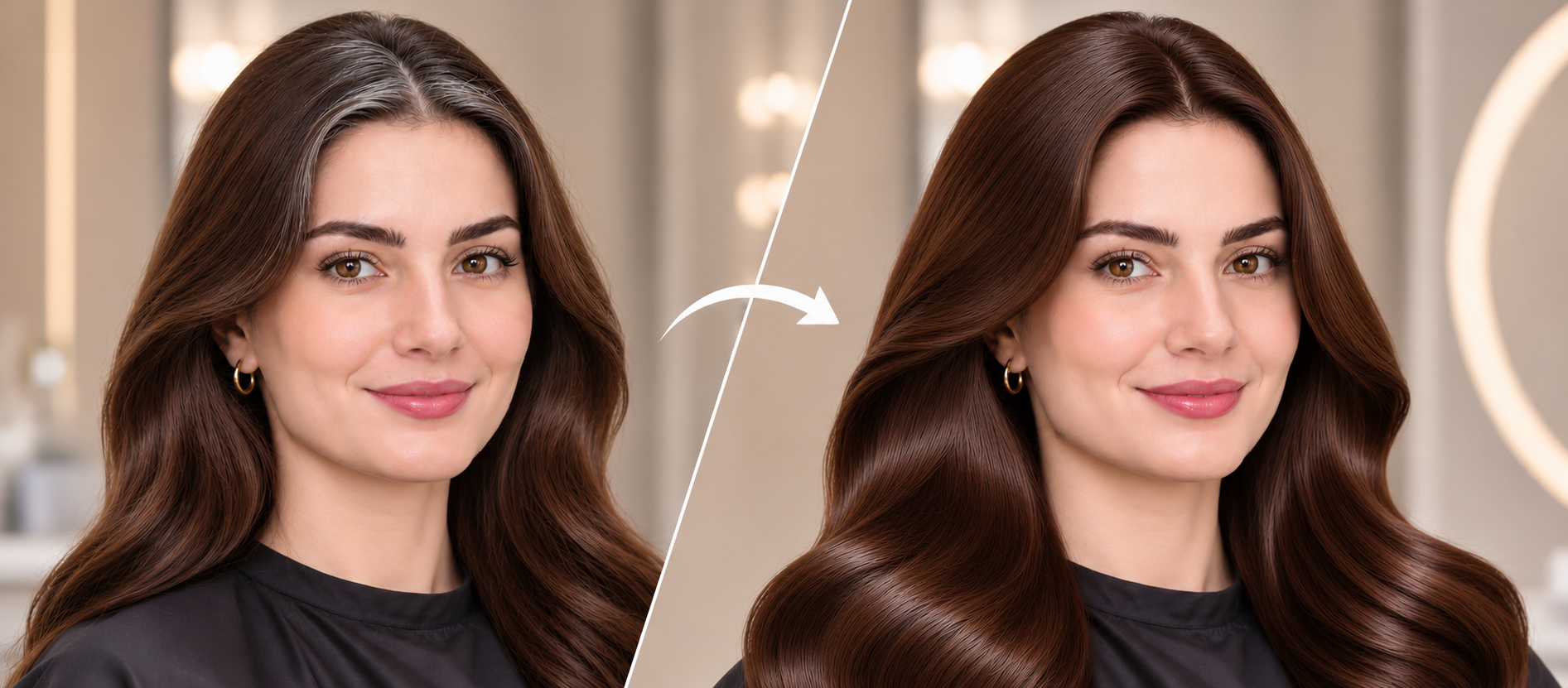
If your main concern is grey hair, choose a formula specifically designed for reliable grey coverage.
Permanent crème hair color is commonly used for covering grey strands and creating a uniform appearance.
For natural-looking results, consider shades such as:
- Natural Black
- Dark Brown
- Chocolate Brown
- Medium Brown
- Natural Brown
The final coverage depends on the percentage of grey hair, shade selection, developer, and application technique.
Step 6: Understand the Importance of Hair Developer
A hair developer activates oxidative hair color and influences the amount of lightening achieved.
Common developer strengths include:
- 10 Volume: Often used for color deposit with minimal lift.
- 20 Volume: Commonly used for grey coverage and moderate lightening.
- 30 Volume: Used for greater lightening in suitable applications.
- 40 Volume: Used for specialized high-lift services under professional supervision.
Choosing the correct developer is essential for achieving the intended shade.
Yuthika Professional Developer is designed to work with compatible professional coloring formulas for consistent color development.
Always follow the manufacturer’s recommended mixing ratio and processing instructions.
Step 7: Select a Hair Color That Matches Your Lifestyle
Before choosing a new shade, consider how much maintenance you can manage.
Dark brown and natural black shades often require less visible maintenance than dramatic blonde transformations.
Fashion shades, highlights, and lighter colors may require more frequent toning or refreshing.
If you prefer a low-maintenance appearance, select a shade close to your natural hair color.
How to Maintain Professional Hair Color for Longer
Proper aftercare helps preserve the appearance of your hair color and maintain softness.
Follow these simple tips:
- Use shampoo and conditioner suitable for colored hair.
- Avoid washing your hair more frequently than necessary.
- Limit excessive heat styling.
- Apply a suitable hair serum to improve manageability and shine.
- Protect your hair from prolonged sun exposure.
- Schedule root touch-ups when needed.
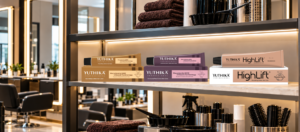
You can also choose suitable products from the professional hair care and color range to support your coloring routine.
Common Mistakes to Avoid When Choosing Hair Color
Even a quality hair color may produce disappointing results when selected or applied incorrectly.
Avoid these common mistakes:
- Choosing a shade without considering your starting hair color.
- Using an unsuitable developer strength.
- Ignoring previous chemical treatments.
- Leaving hair color on longer than instructed.
- Skipping the manufacturer’s allergy alert test.
- Expecting a light shade to lift previously dyed dark hair without professional color correction.
A professional consultation and strand test can help determine whether your desired shade is achievable.
Frequently Asked Questions About Professional Hair Color
1. Which professional hair color is best for grey hair?
Permanent crème hair color is generally a suitable option for grey coverage. Choose a shade and compatible developer designed for your percentage of grey hair.
2. How do I choose the right hair color shade?
Consider your natural hair color, skin undertone, hair condition, previous coloring history, and desired result. A professional stylist can help identify a suitable shade.
3. Is ammonia-free professional hair color a good option?
Ammonia-free professional hair color can provide effective coloring results. However, ammonia-free does not mean damage-free, so proper application and hair assessment remain important.
4. How long does professional hair color last?
Permanent hair color generally remains until the hair grows out, although the shade can fade over time. Semi-permanent colors fade more gradually with washing. Longevity depends on the formula and aftercare.
5. Can professional hair color damage hair?
Professional hair color can cause dryness or damage, particularly with repeated lightening or incorrect processing. Choosing a suitable formula, following instructions, and maintaining a good hair care routine can help reduce these risks.
Choose the Right Professional Hair Color for Beautiful Results
Finding the best professional hair color starts with understanding your hair type, natural shade, skin undertone, and coloring goals.
Whether you want natural grey coverage, rich brown shades, or a bold blonde transformation, the right formula and application technique make a significant difference.
Choose professional hair color products that match your needs, follow the recommended instructions, and maintain your hair with suitable aftercare.
With the right approach, you can achieve vibrant, glossy, and beautiful salon-quality hair color that complements your personal style.

 Yuthika Professional Crème Hair Color
 Yuthika Highlift
 Evano Beard Color Creme
 CosGlam
 Yuthika Ultracare Range
 Yuthika Vertix Range
 Yuthika Argan Oil
 Nish Daily Care Range