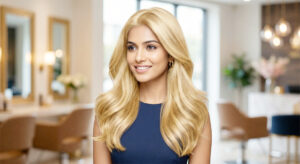
Professional Hair Color Techniques Every Stylist Knows
Professional Hair Color Techniques Every Stylist Should Know
Mastering hair color is one of the most valuable skills for every professional hairstylist. Whether you’re creating seamless grey coverage, vibrant fashion shades, dimensional balayage, or precision blonding, your techniques determine the quality of the final result. Today’s clients expect customized color services that not only look beautiful but also maintain the health and integrity of their hair.
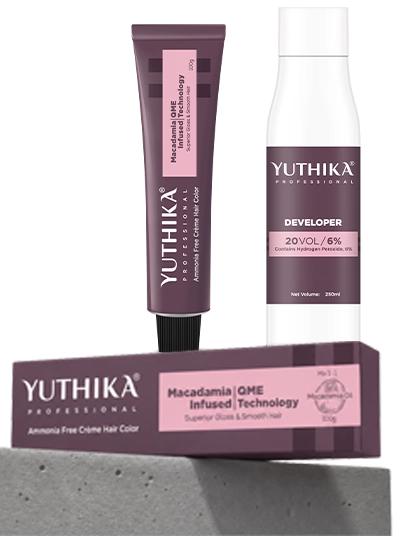
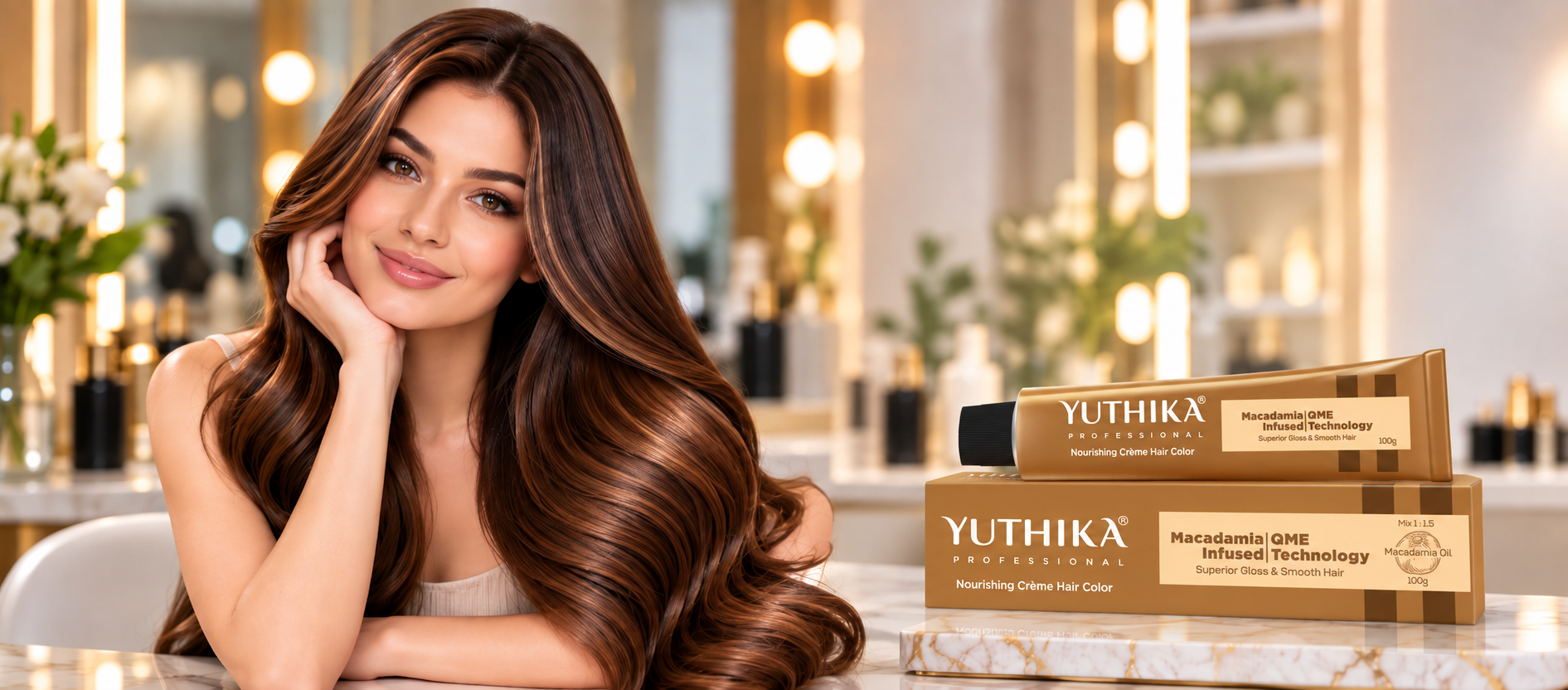
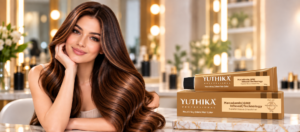
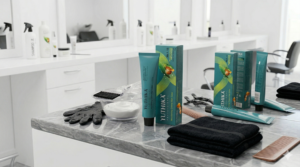
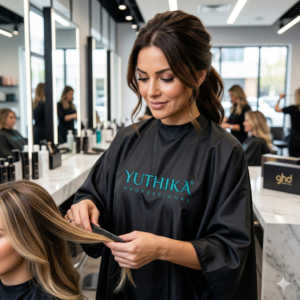
Professional hair color has evolved significantly over the years. Advanced formulations, ammonia-free options, nourishing ingredients like macadamia oil, and modern color technologies have made it possible to achieve brilliant results while minimizing damage. Brands like Yuthika Professional offer salon-grade hair color systems designed for precision, consistency, and long-lasting performance, making them a trusted choice among professional stylists.
In this comprehensive guide, we’ll explore the essential hair color techniques every stylist should master to deliver flawless, salon-quality transformations.
Why Professional Hair Color Techniques Matter
Professional coloring is more than simply applying dye. Every successful service requires an understanding of:
- Hair structure
- Color theory
- Developer selection
- Sectioning techniques
- Product saturation
- Processing time
- Hair health
- Client consultation
Perfecting these skills ensures:
- Predictable results
- Even color application
- Better grey coverage
- Healthy-looking hair
- Improved client satisfaction
- Long-lasting color retention
Start Every Service with a Professional Consultation
The consultation is one of the most important steps in any hair color service.
Discuss:
- Client expectations
- Previous color history
- Hair texture
- Hair condition
- Scalp sensitivity
- Desired maintenance level
- Lifestyle
Always examine the hair before selecting a color formula.
Questions every stylist should ask:
- Has your hair been chemically treated?
- Have you used box color?
- How much grey coverage do you need?
- Do you style with heat regularly?
This information helps prevent unexpected results.
Understand Hair Color Theory
Every professional should master color theory.
Primary colors:
Secondary colors:
Knowing how these colors interact allows stylists to:
- Neutralize unwanted tones
- Correct color mistakes
- Create customized formulas
- Achieve true-to-tone results
For example:
- Violet neutralizes yellow.
- Blue neutralizes orange.
- Green neutralizes red.
Hair Analysis Before Coloring
Before applying hair color, evaluate:
Hair Porosity
Highly porous hair absorbs color faster.
Hair Density
Thicker hair requires more product.
Hair Elasticity
Weak hair may need strengthening treatments before coloring.
Existing Pigment
Previously colored hair behaves differently from virgin hair.
Professional analysis improves color accuracy.
Choose the Correct Developer
Developer strength dramatically influences color results.
10 Volume
Ideal for:
- Toning
- Darkening
- Minimal lift
20 Volume
Suitable for:
- Grey coverage
- Standard permanent coloring
30 Volume
Best for:
- 2–3 levels of lift
- Fashion shades
40 Volume
Used for:
- Maximum lift
- High-lift blondes
Always follow the manufacturer’s recommended mixing ratios. Professional systems combine color crème with matching developers to ensure consistent color development and optimal performance.
Perfect Hair Sectioning
Professional sectioning improves application accuracy.
Divide hair into four sections:
- Front left
- Front right
- Back left
- Back right
For thicker hair:
Create additional subsections.
Clean sectioning ensures:
- Better saturation
- Faster application
- Consistent processing
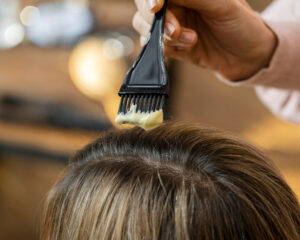
Root Application Technique
Roots require special attention because scalp heat accelerates processing.
For virgin hair:
- Apply mids and ends first.
- Return to roots afterward if lifting significantly.
For root retouch:
Apply color only to new growth.
Avoid overlapping previously colored hair.
Achieving Complete Grey Coverage
Grey hair requires a specialized approach.
Professional tips:
- Use permanent hair color
- Select natural series shades
- Mix according to manufacturer recommendations
- Ensure complete saturation
- Process for the full recommended time
Salon-grade professional color ranges are formulated to provide reliable grey coverage while maintaining softness and shine.
Balayage Technique
Balayage remains one of the most requested services.
Benefits:
- Natural dimension
- Soft grow-out
- Low maintenance
- Custom placement
Professional tips:
- Use freehand painting
- Feather the product upward
- Keep surface strokes light
- Saturate ends thoroughly
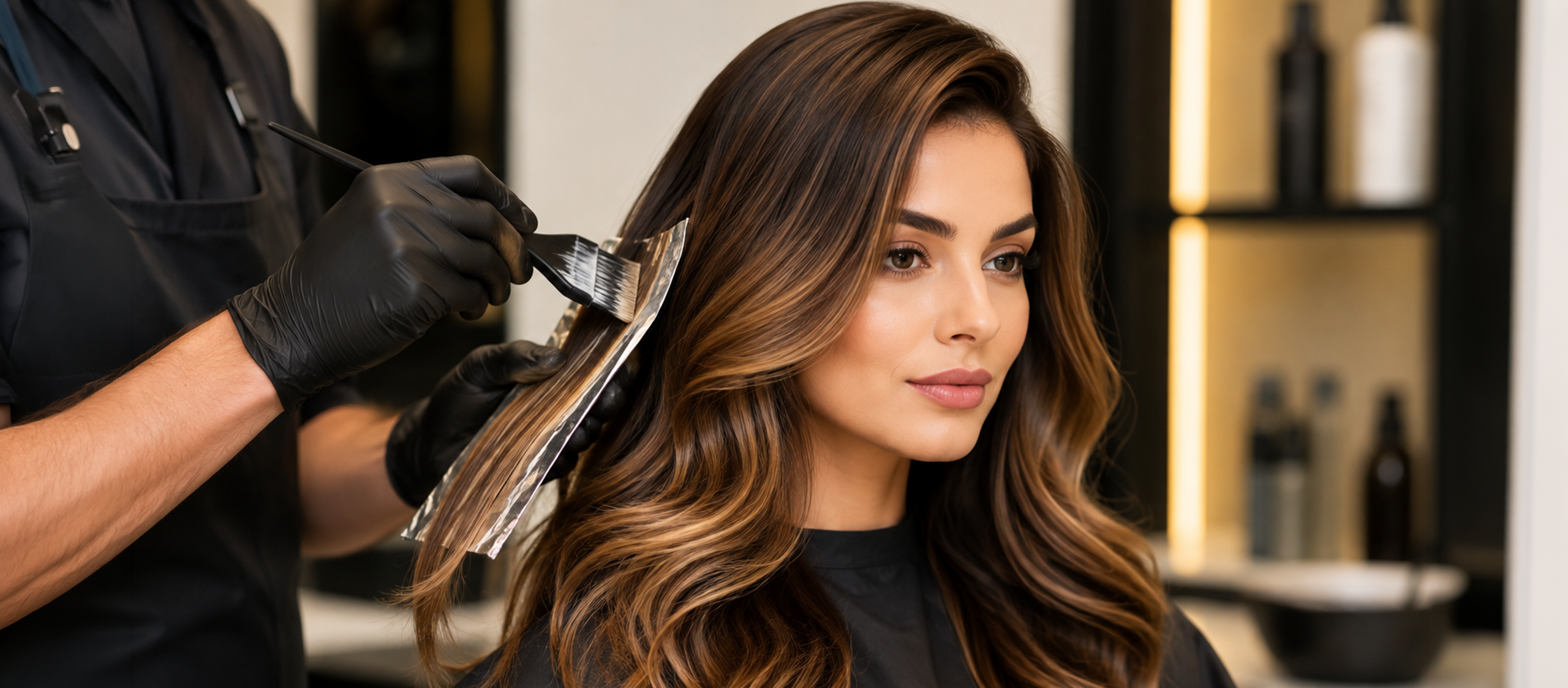
Foil Highlighting
Foils offer precision and maximum lift.
Advantages:
- Controlled placement
- Better lift
- Cleaner separation
- Multiple colors simultaneously
Use foils for:
- Blonde transformations
- Babylights
- Face framing
- Color correction
Babylights Technique
Babylights create ultra-fine highlights that mimic naturally sun-kissed hair.
Ideal for:
- Blonde clients
- Brunettes
- Grey blending
- Luxury color services
Take very fine sections to maintain softness.
Color Melting
Color melting blends multiple shades seamlessly.
Popular combinations include:
- Dark Brown → Chocolate Brown
- Brown → Caramel
- Blonde → Beige Blonde
- Burgundy → Mahogany
The goal is creating invisible transitions between colors.
Shadow Root Technique
A shadow root creates depth while reducing maintenance.
Benefits:
- Softer grow-out
- Natural dimension
- Longer-lasting results
Perfect for blonde transformations.
Toning Like a Professional
After lightening:
Always tone the hair.
Benefits:
- Removes brassiness
- Adds shine
- Enhances color longevity
- Creates customized shades
Choose toner based on:
- Desired tone
- Underlying pigment
- Hair condition
Precision Color Placement
Professional stylists never apply color randomly.
Instead, consider:
- Face shape
- Haircut
- Hair movement
- Client lifestyle
Strategic placement enhances:
- Dimension
- Shine
- Volume
- Overall appearance
Hair Protection During Coloring
Healthy hair delivers better hair color results.
Protect hair by:
- Avoiding excessive overlapping
- Following processing times
- Using nourishing formulations
- Applying bond-building treatments when needed
Many professional color systems now include conditioning ingredients such as macadamia oil to support softness, shine, and hair integrity during coloring.
Professional Color Correction
Color correction requires experience.
Common corrections:
Removing Brassiness
Use blue or violet toners.
Correcting Green Hair
Apply warm pigments.
Uneven Color
Reapply strategically.
Dark Color Removal
Use professional color removers or controlled lightening techniques.
Never rush corrective services.
Processing Time Matters
Many coloring problems occur because of incorrect timing.
Always:
- Set a timer.
- Monitor color development.
- Avoid extending processing unnecessarily.
- Follow manufacturer instructions.
Consistency produces reliable results.
Shampoo and Conditioning After Coloring
Post-color care is equally important.
Professional steps:
- Rinse thoroughly.
- Use color-safe shampoo if recommended.
- Apply nourishing conditioner.
- Finish with leave-in protection.
Healthy hair reflects light better, making hair color appear more vibrant.
Retail Recommendations for Clients
Stylists should educate clients about maintenance.
Recommend:
- Sulfate-free shampoo
- Color-safe conditioner
- Weekly hair mask
- Heat protectant
- UV protection spray
Professional aftercare extends color longevity.
Common Mistakes Professional Stylists Avoid
Avoid these mistakes:
- Incorrect developer strength
- Poor sectioning
- Inadequate saturation
- Overlapping permanent color
- Skipping strand tests
- Ignoring porosity
- Rushing application
- Improper timing
Attention to detail separates experienced professionals from beginners.
Staying Updated with Professional Hair Color Trends
The beauty industry evolves rapidly.
Modern salon trends include:
- Mushroom Brown
- Mocha Brunette
- Rich Chocolate Brown
- Soft Copper
- Beige Blonde
- Pearl Blonde
- Dimensional Brunette
- Glossing Services
Professional brands continue expanding shade portfolios and salon solutions to meet changing client preferences. For example, Yuthika Professional has expanded its range to include 50+ shades alongside lightening and hair-care products for complete salon services.
Choosing a Professional Hair Color System
When selecting a professional brand, look for:
- Wide shade selection
- Reliable grey coverage
- Creamy consistency
- Predictable results
- Nourishing ingredients
- Easy mixing
- Long-lasting performance
The Yuthika Professional Hair Color Range includes permanent crème colors, high-lift options, and professional developers designed to deliver salon-grade precision, vibrant shades, and healthy-looking hair.
Frequently Asked Questions (FAQs)
1. What is the most important hair color technique for beginners?
Proper consultation, sectioning, and saturation are the foundations of every successful hair color service.
2. Why is color theory important for hairstylists?
Color theory helps stylists neutralize unwanted tones, formulate custom shades, and achieve accurate, predictable results.
3. How can stylists achieve better grey coverage?
Use a permanent color system, the correct developer, full saturation, and allow the recommended processing time.
4. What is the difference between balayage and highlights?
Balayage is a freehand painting technique that creates a softer, more natural effect, while foil highlights provide more lift, precision, and defined brightness.
5. How do professionals keep colored hair healthy?
They use high-quality salon-grade color systems, avoid excessive overlap, follow recommended processing times, and recommend color-safe aftercare products.
Professional hair color is both a science and an art. Every stylist who masters consultation, color theory, formulation, sectioning, application, and aftercare can consistently deliver exceptional results. Whether you’re creating subtle grey coverage, dimensional balayage, precision highlights, or bold fashion shades, attention to detail and the use of high-performance salon products are essential.
By continuously refining your techniques and working with trusted professional color systems, you can build client confidence, achieve beautiful long-lasting results, and elevate every salon service.

 Yuthika Professional Crème Hair Color
 Yuthika Highlift
 Evano Beard Color Creme
 CosGlam
 Yuthika Ultracare Range
 Yuthika Vertix Range
 Yuthika Argan Oil
 Nish Daily Care Range