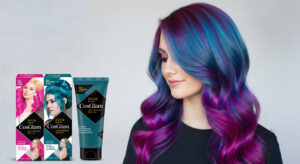
Professional Hair Color for Previously Coloured Hair: Complete Guide
Changing your hair color can give you a fresh and stylish appearance. However, applying professional hair color for previously coloured hair requires extra care because your hair already contains artificial pigments.
Whether you want to cover grey roots, refresh faded color, or try a different shade, choosing the right hair color is important for achieving smooth and even results.
Previously coloured hair may react differently to new color compared to natural hair. Understanding your existing shade, hair condition, and coloring history can help you avoid unwanted tones and uneven results.
In this guide, we will explain how to choose professional hair color, prepare previously coloured hair, and maintain beautiful salon-quality results.
Can You Apply Professional Hair Color on Previously Coloured Hair?
Yes, you can apply professional hair color on previously coloured hair. However, the results depend on your existing color, hair condition, and the type of formula you choose.
Hair that has already been coloured contains artificial pigments that can affect the appearance of your next shade.
For example, applying light brown hair color over previously dyed black hair will not automatically make it light brown.
Professional hairstylists evaluate existing pigment before recommending another coloring treatment.
The right approach helps achieve better color consistency while reducing unnecessary chemical processing.
Why Does Previously Coloured Hair Need Special Attention?
Previously coloured hair can behave differently during another coloring session.
Repeated chemical treatments may affect the hair cuticle, moisture balance, and overall texture.
1. Existing Artificial Pigments
Previous hair color can influence how a new shade develops. Dark artificial pigments may prevent lighter colors from showing as expected.
2. Uneven Hair Porosity
Hair that has been coloured multiple times may absorb pigments unevenly. This can create darker ends or patchy color.
3. Dryness and Weakness
Repeated coloring may increase dryness and breakage, especially when the hair has also been bleached or heat-styled frequently.
4. Faded or Unwanted Undertones
Previously coloured hair may develop warm, orange, yellow, or reddish tones as the original shade fades.
Professional color selection helps manage these challenges more effectively.
How to Choose Professional Hair Color for Previously Coloured Hair
Choosing the right formula is the most important step before recoloring your hair.
Step 1: Identify Your Current Hair Color
Start by checking your existing shade under natural lighting.
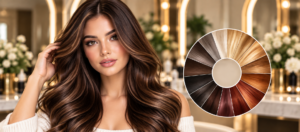
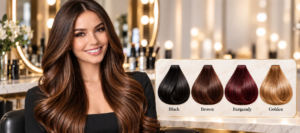
Determine whether your hair is black, brown, blonde, burgundy, or another shade.
Also observe whether your roots, mid-lengths, and ends have different color levels.
Understanding your starting shade helps you select a realistic new hair color.
Step 2: Decide Your Desired Hair Color
Choose whether you want to:
- Maintain your existing shade.
- Cover newly grown grey roots.
- Refresh faded hair color.
- Change to a darker shade.
- Achieve a lighter hair color.
Moving from a dark artificial shade to a lighter shade usually requires professional color removal or lightening rather than applying another permanent hair color directly.
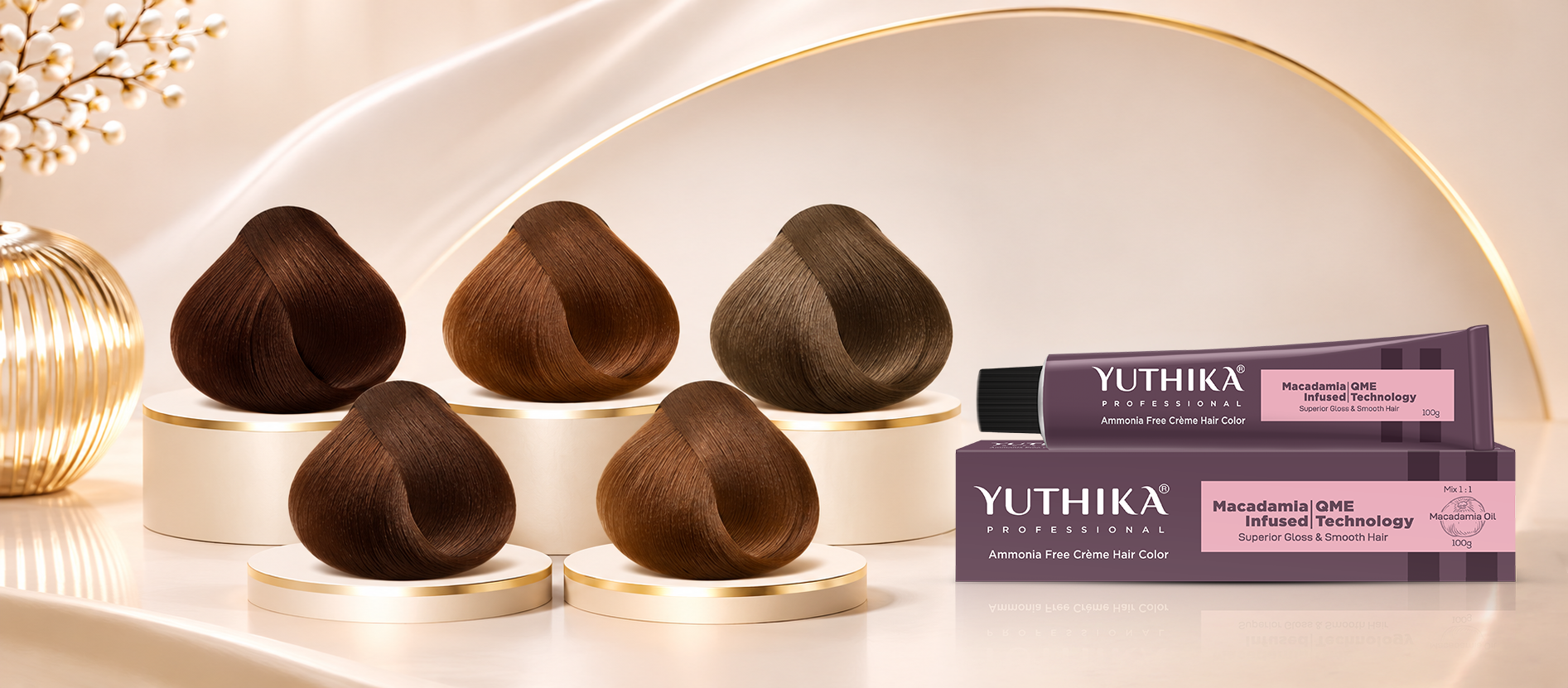
For more options, view the professional hair color shades guide.
Step 3: Choose the Right Professional Hair Color Formula
Different hair color formulas are designed for different coloring needs.
Permanent crème hair color is commonly used for grey coverage, root touch-ups, and long-lasting color changes.
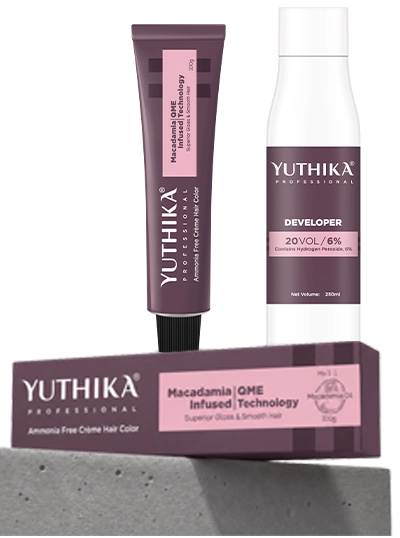
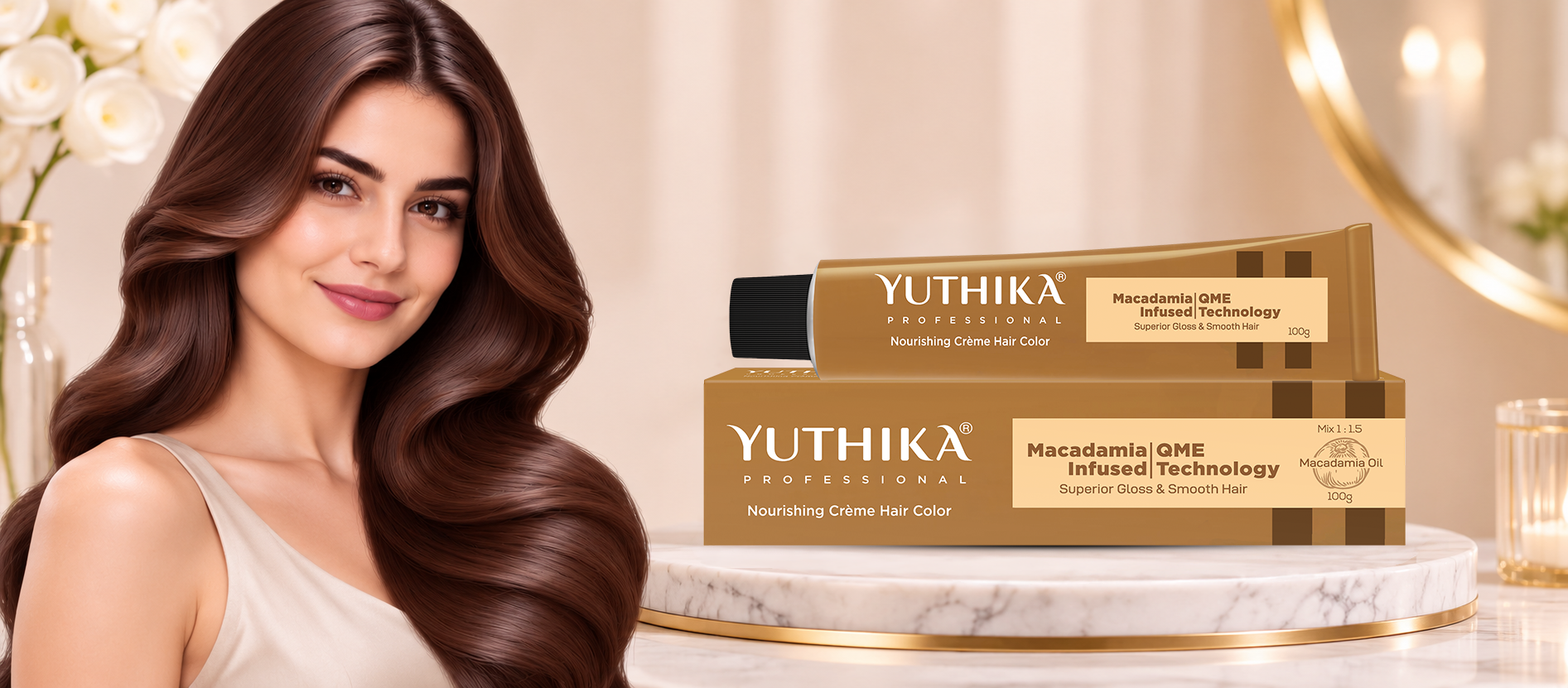
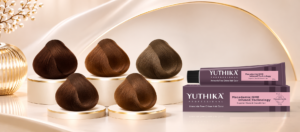
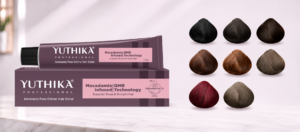
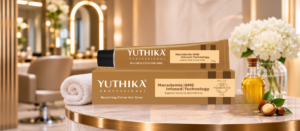
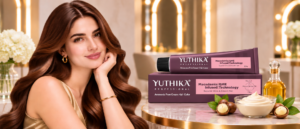
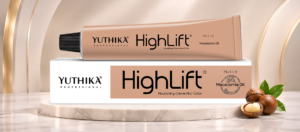
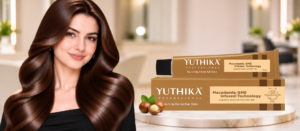
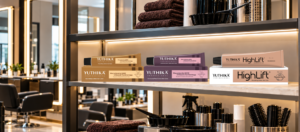
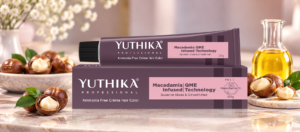
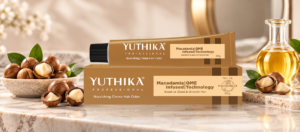
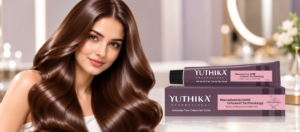
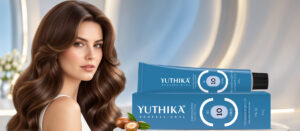
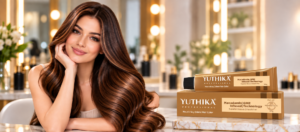
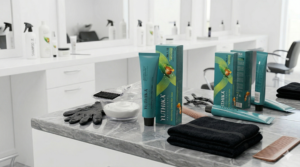
Yuthika Professional offers a Professional Crème Hair Color range designed for salon applications.
Its smooth crème consistency supports precise application, while selected formulations contain nourishing ingredients that help maintain softness and shine.
For previously coloured hair, a professional should select the correct formula based on the existing shade and hair condition.
Step 4: Check Your Hair Condition
Before coloring, examine your hair for dryness, breakage, excessive porosity, and previous chemical damage.
If your hair feels extremely weak or breaks easily, postpone another chemical treatment and consult a professional hairstylist.
Healthy-looking hair provides a better foundation for more consistent coloring results.
Step 5: Select a Suitable Developer
Developer helps activate oxidative hair color and influences the coloring process.
Different developer strengths serve different professional purposes.
Yuthika Professional offers Professional Hair Color Developer options for salon coloring requirements.
Always follow the manufacturer’s recommended mixing ratio and developer strength. Stronger developers are not automatically better for previously coloured hair.
How to Apply Professional Hair Color on Previously Coloured Hair
Correct preparation and application help reduce uneven coloring.
Step 1: Perform a Hair Assessment
Check the previous color history, hair texture, condition, and desired shade.
A professional strand test helps predict the result before applying color across the entire head.
Step 2: Perform an Allergy Alert Test
Follow the product instructions for the required allergy alert test before coloring, even if you have used hair dye previously.
Avoid applying hair color to an irritated or damaged scalp.
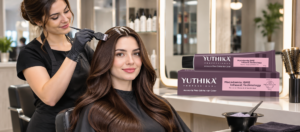
Step 3: Prepare the Hair Color Mixture
Mix the selected professional hair color with its compatible developer according to the manufacturer’s instructions.
Use the recommended quantities and processing time rather than estimating.
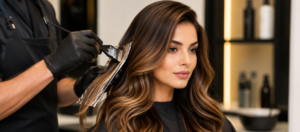
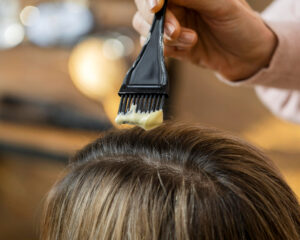
Step 4: Apply Hair Color Carefully
Hair color should be applied according to the client’s existing color and desired result.
For root touch-ups, concentrate on the new growth when appropriate.
Avoid repeatedly applying permanent color over previously processed lengths unless the coloring plan specifically requires it.
Step 5: Rinse and Condition
After the recommended processing time, rinse thoroughly according to the product directions.
Use a suitable conditioner to improve manageability and reduce dryness.
Avoid additional chemical treatments immediately after coloring.
Best Hair Color Shades for Previously Coloured Hair
The best shade depends on the existing artificial pigment and the result you want.
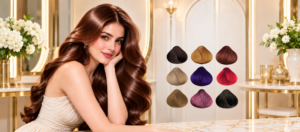
Natural Black and Dark Brown
These shades are suitable for maintaining a deep, natural-looking appearance. They may also help achieve consistent grey coverage with the appropriate formula.
Chocolate Brown
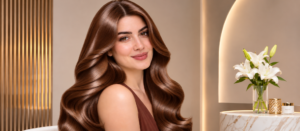
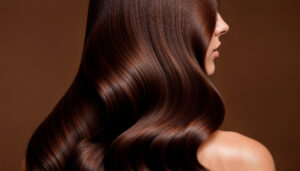
Chocolate brown creates a rich, elegant appearance and can be suitable for refreshing some faded brunette shades.
Burgundy and Mahogany
These shades add visible red or violet tones. However, the final result depends on the underlying hair color.
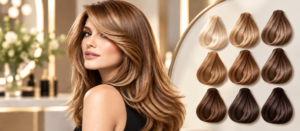
Ash Brown and Blonde
Cool brown and blonde shades may require professional toning or lightening preparation, particularly when previous artificial pigments are dark or warm.
For broader product choices, browse the professional hair color collection.
How to Maintain Previously Coloured Hair After Recoloring
Proper maintenance helps preserve the appearance of your new hair color.
- Use color-friendly shampoo: Choose gentle cleansing products suitable for coloured hair.
- Condition regularly: Maintain softness and manageability after washing.
- Reduce excessive heat: Limit frequent straightening, curling, and high-temperature blow-drying.
- Protect hair from sunlight: Prolonged exposure can contribute to color fading.
- Avoid unnecessary recoloring: Schedule touch-ups according to hair growth, fading, and overall hair condition.
A consistent hair care routine can help your professional hair color look fresh for longer.
Frequently Asked Questions (FAQs)
1. Can I apply permanent hair color over previously coloured hair?
Yes, but the existing artificial pigment and hair condition will affect the result. Professional assessment is recommended before recoloring.
2. Which professional hair color is best for previously coloured hair?
The best formula depends on your current shade, desired color, and hair condition. Professional crème hair color can be suitable for root touch-ups, grey coverage, and selected shade changes.
3. Can professional hair color lighten previously dyed dark hair?
Permanent hair color generally cannot reliably lighten existing dark artificial pigments. Professional color removal or lightening may be necessary.
4. How long should I wait before recoloring my hair?
The appropriate interval depends on the previous treatment and hair condition. Many routine root touch-ups are scheduled around four to six weeks apart, but damaged hair may need more recovery time.
5. How can I prevent uneven hair color when recoloring?
Check the existing shade, assess porosity, perform a strand test, select a suitable formula, and avoid unnecessary overlap during application.
Achieve Beautiful Results with Professional Hair Color
Choosing professional hair color for previously coloured hair requires careful shade selection, suitable products, and the correct application technique.
Understanding your previous hair color and checking your hair condition can help you make better coloring decisions.
Whether you want natural black, chocolate brown, burgundy, or another fashionable shade, professional color planning helps create a more balanced and polished appearance.
With suitable products, professional guidance, and consistent aftercare, you can maintain beautiful, vibrant, and healthy-looking coloured hair.

 Yuthika Professional Crème Hair Color
 Yuthika Highlift
 Evano Beard Color Creme
 CosGlam
 Yuthika Ultracare Range
 Yuthika Vertix Range
 Yuthika Argan Oil
 Nish Daily Care Range