Professional Hair Color Shades: How to Choose the Right One
Choosing the right professional hair color shades can completely change your appearance and give your hair a beautiful, salon-finished look. Whether you prefer natural black, rich brown, stylish burgundy, or trendy blonde, selecting the right shade is important for achieving your desired result.
With so many hair color shades available, finding the perfect match can sometimes feel confusing. Your natural hair color, skin undertone, hair condition, and personal style all influence how a shade will look.
In this guide, you will learn how to choose professional hair color shades step by step for a beautiful, natural-looking, and long-lasting hair color result.
What Are Professional Hair Color Shades?
Professional hair color shades are specially formulated colors used by salon experts to create natural, fashionable, and customized hair transformations.
Professional coloring systems offer different shade depths, tones, and formulas to match individual hair requirements.
Benefits of Professional Hair Color
- Wide variety of natural and fashionable shades
- Rich and vibrant color results
- Customizable shades for different hair types
- Effective grey hair coverage with suitable formulas
- Smooth and glossy-looking finish
- Long-lasting color with proper maintenance
Choosing a quality formula from a trusted professional hair color collection helps hairstylists select suitable coloring solutions for different needs.
How to Choose the Right Professional Hair Color Shades
Finding the perfect hair color becomes easier when you understand your natural hair and the look you want to achieve.
Step 1: Identify Your Natural Hair Color
Your natural hair shade is the starting point for selecting the right professional hair color.
Different starting shades respond differently to coloring products.
Natural Black Hair: Dark brown, chocolate brown, mahogany, and burgundy can create rich-looking transformations.
Dark Brown Hair: Caramel brown, reddish brown, and chocolate shades can enhance warmth and dimension.
Light Brown Hair: Golden brown, ash brown, and lighter shades may create noticeable changes.
Previously Colored Hair: A professional should check the existing artificial pigment before selecting another shade.
Understanding your starting hair color helps determine whether your desired result is achievable without additional lightening.
Step 2: Choose Hair Color According to Your Skin Tone
Your skin tone and undertone can help you select flattering professional hair color shades.
For Fair Skin Tone
- Light Brown
- Golden Brown
- Burgundy
- Ash Brown
These shades can create either a soft contrast or a fashionable appearance.
For Wheatish Skin Tone
- Chocolate Brown
- Mahogany
- Caramel Brown
- Copper Brown
These colors can complement warm and neutral undertones while adding richness.
For Dusky Skin Tone
- Natural Black
- Espresso Brown
- Deep Burgundy
- Rich Chocolate Brown
These shades can create a sophisticated look with beautiful depth.
Skin tone suggestions are guidelines, not strict rules. Your personal preference and desired style are equally important.
Step 3: Understand Popular Professional Hair Color Shades
Different hair color shades create different effects. Selecting the right shade depends on whether you prefer a subtle or bold transformation.
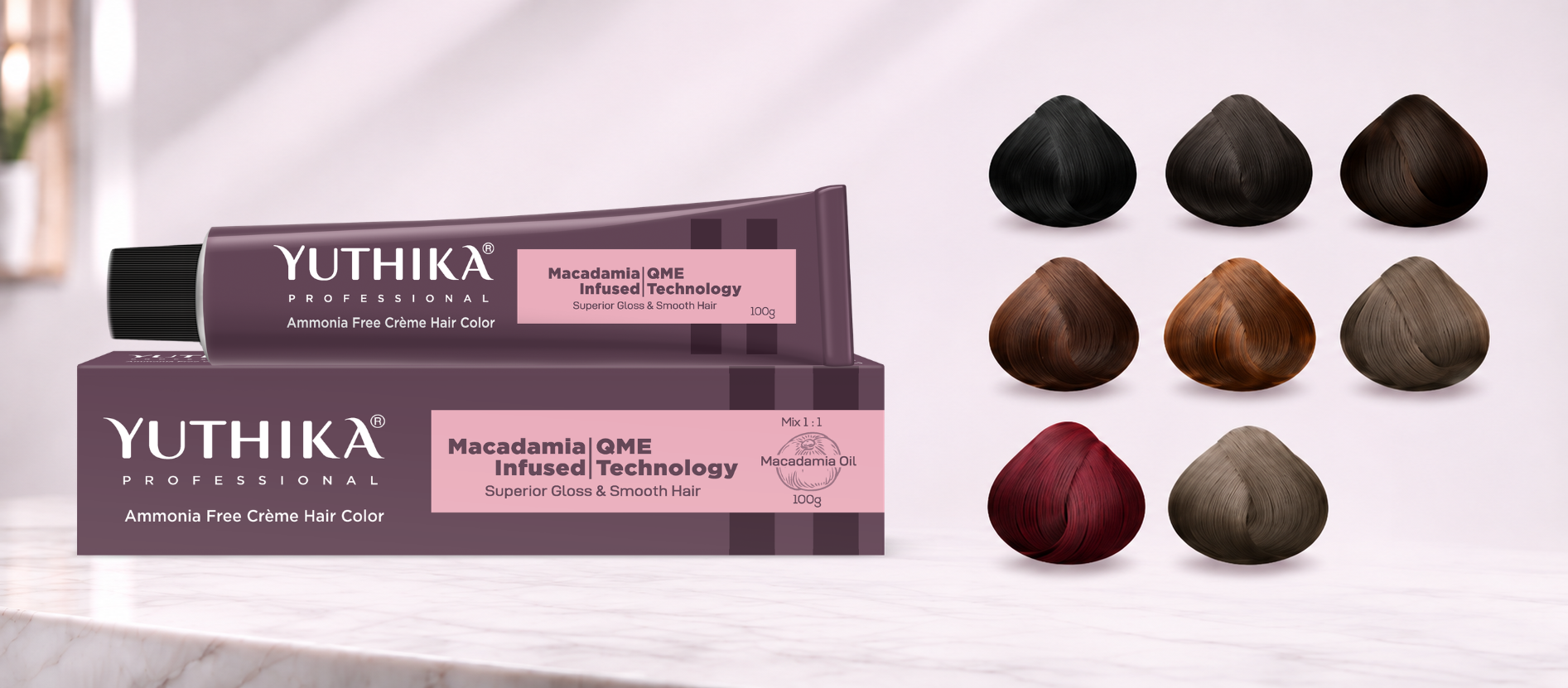
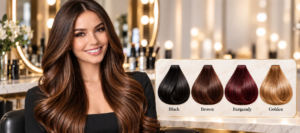
Natural Black: A classic shade for a deep, elegant appearance.
Dark Brown: Ideal for people who want a natural-looking change without dramatic contrast.
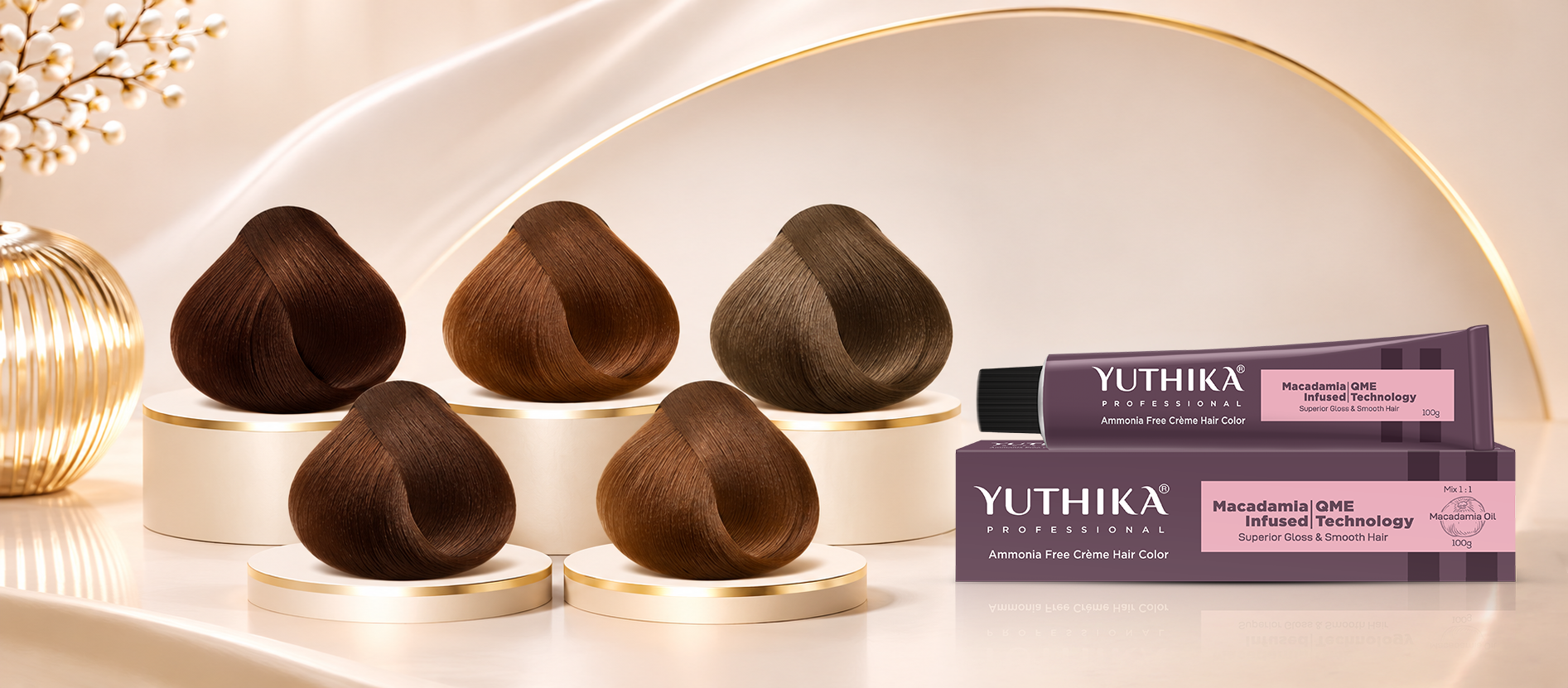
Chocolate Brown: A rich brown shade that adds warmth and dimension.
Burgundy: A fashionable reddish-purple shade for a bold transformation.
Mahogany: A beautiful combination of brown and reddish tones.
Ash Brown: A cool-toned shade that creates a modern appearance.
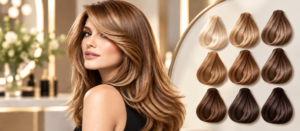
Golden Blonde: A brighter shade suitable for a noticeable hair makeover.
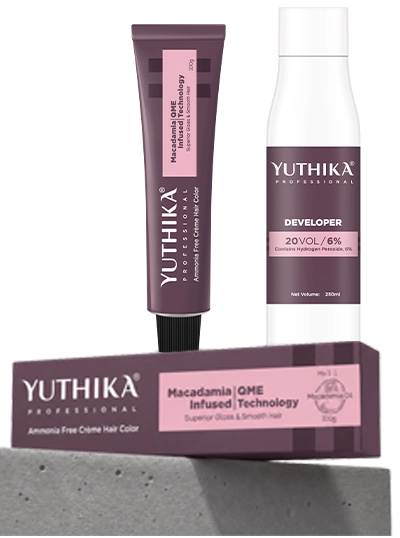
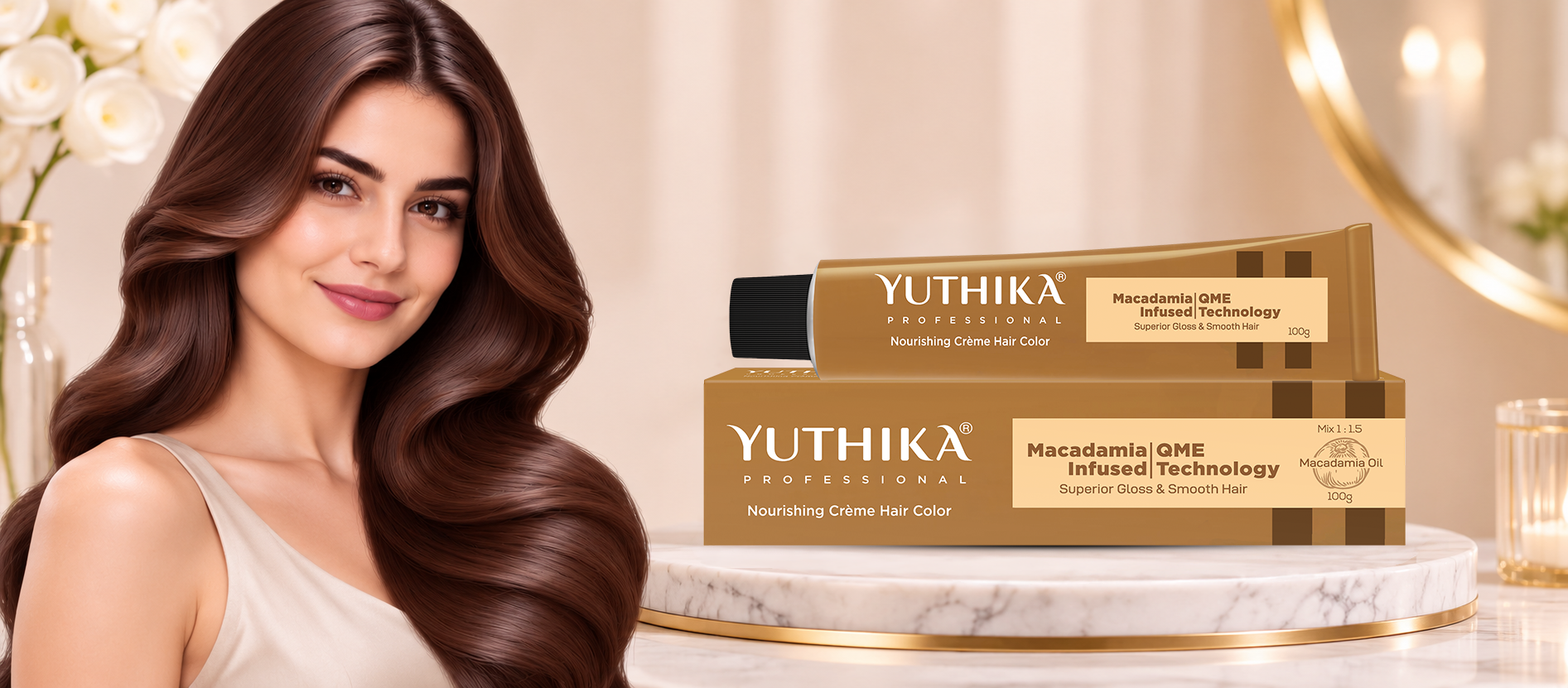
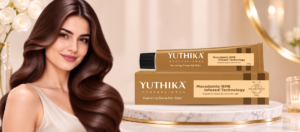
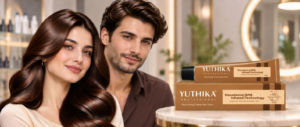
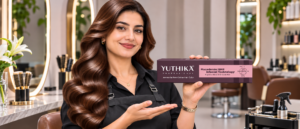
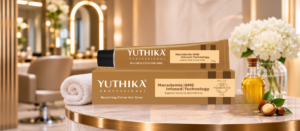
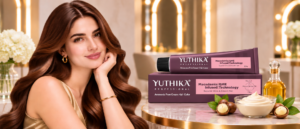
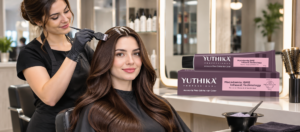
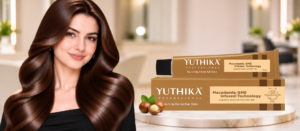
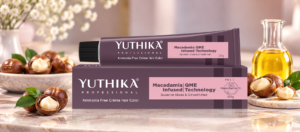
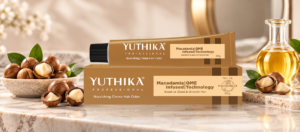
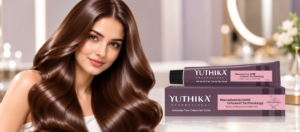
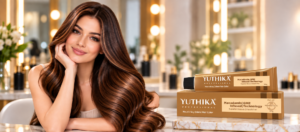
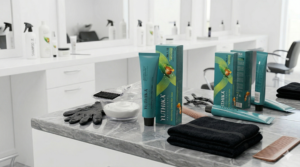
For rich natural shades and professional coloring services, Yuthika Professional Crème Hair Color offers salon-focused coloring options for different styling preferences.
Step 4: Choose the Right Hair Color Formula
Selecting the correct formula is just as important as selecting the shade.
Permanent Hair Color
Permanent hair color is commonly used for grey coverage, root touch-ups, and long-lasting color transformations.
Semi-Permanent Hair Color
Semi-permanent formulas are useful for temporary color changes and refreshing existing shades. Their color gradually fades with washing.
Highlift Hair Color
Highlift formulas are designed for achieving lighter shades on suitable natural hair.
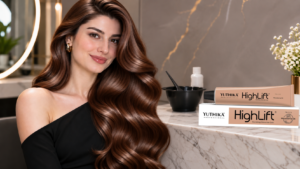
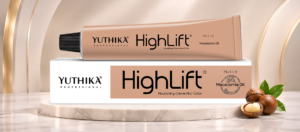
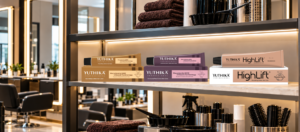
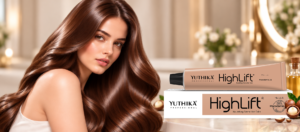
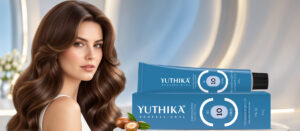
For professional blonde transformations, Yuthika Professional Highlift Hair Color offers shades such as Ultra Blonde, Very Light Ash Brown, and Very Light Golden Brown.
A professional assessment is important because highlift color may not be suitable for previously colored or heavily damaged hair.
Step 5: Consider Grey Hair Coverage
If your main goal is covering grey hair, choose professional hair color shades that provide a natural and uniform appearance.
Popular choices include:
- Natural Black
- Dark Brown
- Medium Brown
- Natural Brown
- Chocolate Brown
Permanent crème hair color is commonly selected for grey coverage.
However, the final result depends on the percentage of grey hair, the chosen shade, developer compatibility, and application technique.
A salon professional can recommend a suitable formula for resistant or heavily grey hair.
Step 6: Check Your Hair Condition
Your hair condition plays an important role in how professional hair color develops.
Dry Hair: Choose suitable conditioning formulas and maintain a regular hair care routine.
Fine Hair: Avoid unnecessary processing and select a formula according to hair strength.
Thick Hair: Proper sectioning and complete product coverage are important.
Damaged Hair: Seek professional advice before coloring, especially when lightening is involved.
Healthy-looking hair and proper application help achieve a more polished color finish.
Step 7: Understand the Professional Hair Color Chart
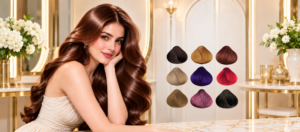
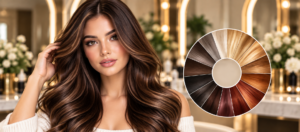
A professional hair color chart helps identify shade depth and tonal direction.
Hair color levels commonly range from 1 to 10, with lower numbers representing darker shades and higher numbers representing lighter shades.
Level 3 generally represents dark brown, while Level 7 represents medium blonde.
Shade codes may also indicate ash, gold, copper, or other tones, but numbering conventions vary between brands.
You can learn more from this professional hair color chart guide before selecting your desired shade.
Common Mistakes to Avoid When Choosing Hair Color
Even a beautiful shade may produce disappointing results if selected incorrectly.
- Choosing a shade only from a photograph
- Ignoring natural hair color and previous treatments
- Selecting an unsuitable developer
- Expecting light shades to work directly over dark artificial color
- Ignoring grey hair percentage
- Skipping the required allergy alert test and strand testing
Always follow product instructions and seek professional guidance for major color changes.
How to Maintain Professional Hair Color
Proper aftercare helps keep salon hair color vibrant and attractive.
Use shampoo and conditioner suitable for colored hair. Avoid unnecessary frequent washing and excessive heat styling.
Protect your hair from prolonged sun exposure and use suitable conditioning treatments to maintain softness.
Regular root touch-ups and professional color-refreshing services can also help maintain a polished appearance.
Frequently Asked Questions About Professional Hair Color Shades
1. Which professional hair color shade is best for Indian skin tones?
Chocolate brown, dark brown, mahogany, caramel, and burgundy are popular options. The best choice depends on your skin undertone, natural hair color, and personal preference.
2. How do I choose the right professional hair color shade?
Start by checking your natural hair color, skin undertone, hair condition, and desired result. A professional hair color chart and salon consultation can help you select a suitable shade.
3. Which professional hair color is best for grey coverage?
Permanent crème hair color is commonly used for grey coverage. Natural black, dark brown, and natural brown shades are popular choices, depending on the desired result.
4. Which hair color shade looks most natural?
Natural black, dark brown, medium brown, and chocolate brown often create natural-looking results, especially when the selected shade is close to your original hair color.
5. How long do professional hair color shades last?
Permanent hair color remains in the hair as it grows, although the shade may gradually fade. Color longevity depends on the formula, hair condition, washing habits, and aftercare routine.
Choose the Perfect Professional Hair Color Shade
Choosing the right professional hair color shades is about understanding your natural hair, skin undertone, hair condition, and styling preferences.
Whether you want natural grey coverage, elegant brown tones, fashionable burgundy, or a brighter blonde transformation, selecting the right formula and shade is essential.
With suitable professional hair color products, expert application, and proper aftercare, you can achieve beautiful, vibrant, and salon-quality hair color that complements your personal style.

 Yuthika Professional Crème Hair Color
 Yuthika Highlift
 Evano Beard Color Creme
 CosGlam
 Yuthika Ultracare Range
 Yuthika Vertix Range
 Yuthika Argan Oil
 Nish Daily Care Range