Professional Hair Color Buying Guide for Salon Owners
Choosing the right professional hair color is an important decision for every salon owner. Hair coloring is a popular salon service, and clients expect beautiful shades, reliable grey coverage, long-lasting results, and healthy-looking hair.
However, buying salon hair color products is not simply about selecting attractive shades. Salon owners must consider product quality, formula, developer compatibility, application performance, pricing, and customer requirements.
A suitable professional hair color range can help hairstylists deliver consistent results while managing salon expenses.
This professional hair color buying guide for salon owners explains how to select the right products, build a practical shade collection, and make smarter purchasing decisions.
Why Choosing the Right Professional Hair Color Matters
Professional hair color plays an important role in salon service quality and customer satisfaction.
Unlike ready-to-use coloring products, professional hair color systems allow trained hairstylists to customize shades, developers, and application techniques according to individual hair requirements.
Choosing suitable salon hair color products can help salons achieve:
- Rich and vibrant hair color shades
- Reliable grey hair coverage
- Smooth and even color application
- Long-lasting color performance
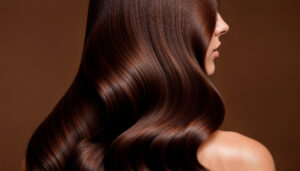
- Natural-looking color results
- Better control over salon coloring services
The right product selection also helps salons maintain service consistency and encourage repeat appointments.
Step 1: Understand Your Salon’s Hair Coloring Requirements
Before purchasing professional hair color, identify the services your salon provides most frequently.
Grey Hair Coverage
Many clients visit salons for grey hair coverage and root touch-ups. Permanent crème hair color is commonly selected for these services because it offers lasting color and suitable coverage when applied correctly.
Natural Hair Color
Clients who prefer subtle transformations often choose natural black, dark brown, chocolate brown, and other classic shades.
These colors are useful for regular salon coloring appointments.
Fashion Hair Color
Burgundy, copper, red, and violet shades are suitable for clients interested in noticeable hair color transformations.
Blonde Hair Color
Blonde services may require specialized highlift hair color, professional lighteners, and toning products.
Understanding your customer preferences helps you purchase a balanced collection without investing in unnecessary inventory.
Step 2: Select the Right Professional Hair Color Formula
Different professional hair color formulas are designed for different coloring requirements.
Permanent Crème Hair Color
Permanent crème hair color is widely used for grey coverage, root touch-ups, and global hair coloring.
Its creamy consistency supports controlled application and even product distribution.
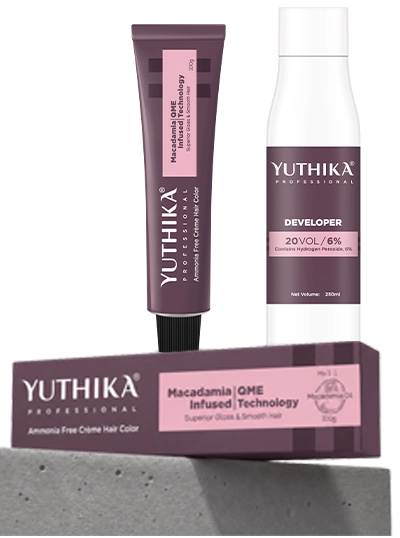
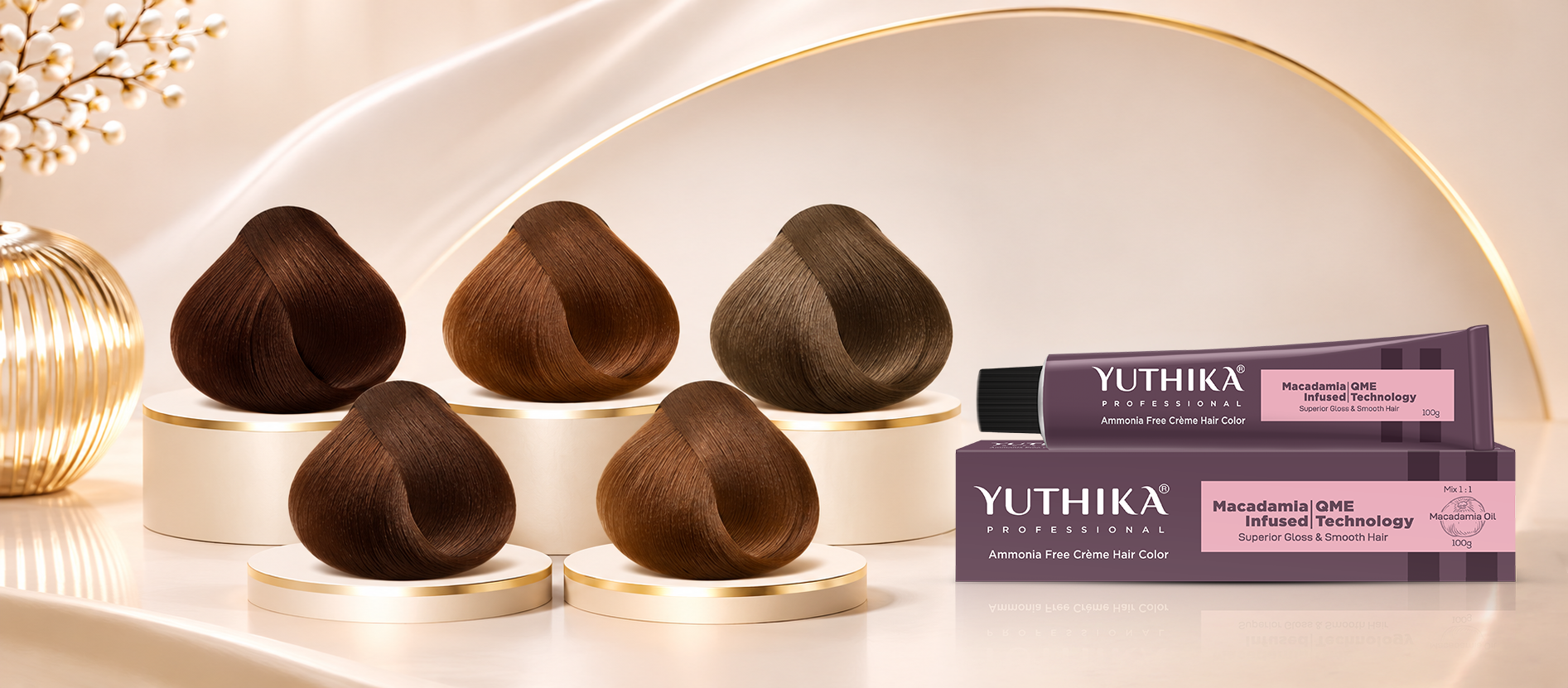
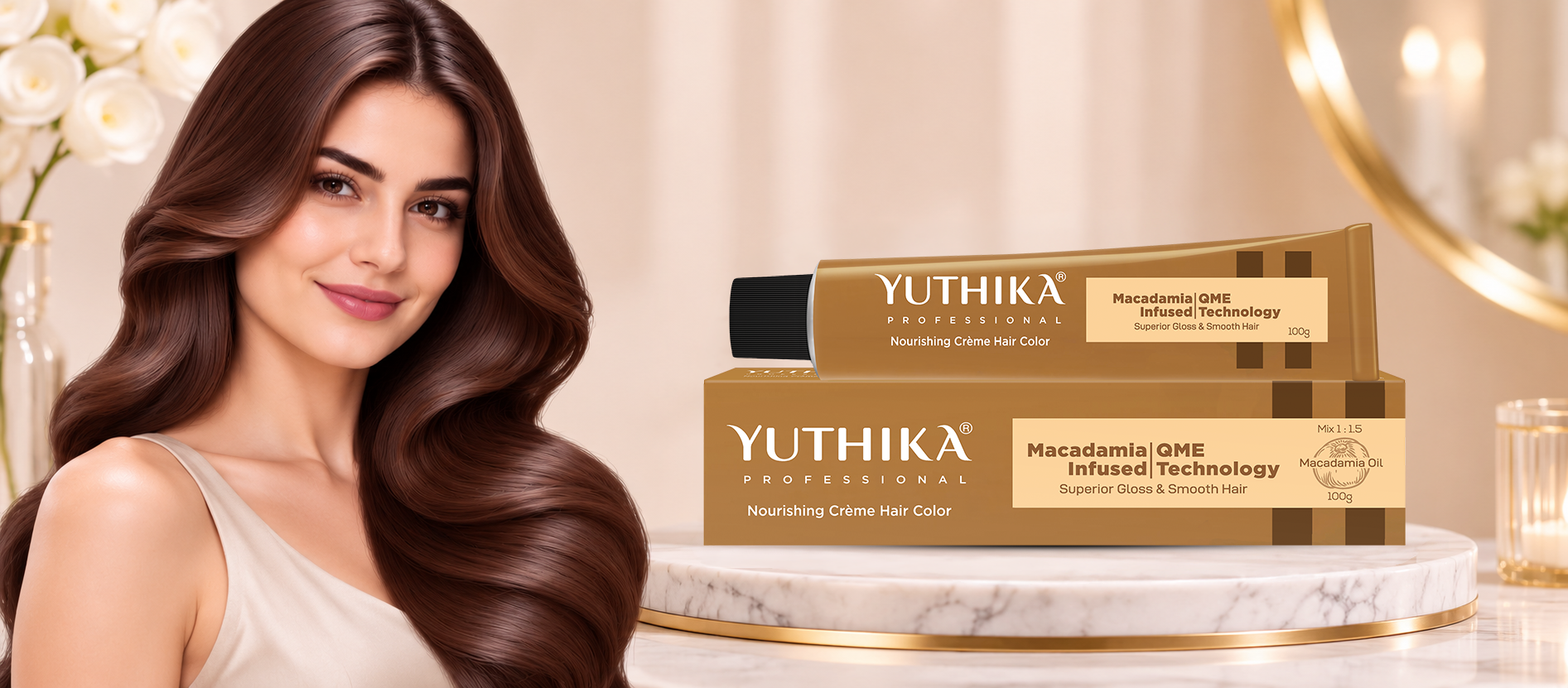
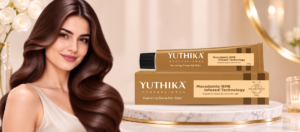
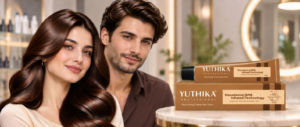
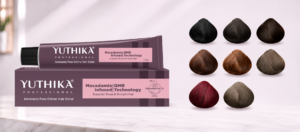
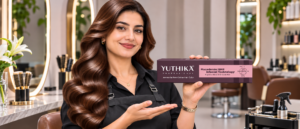
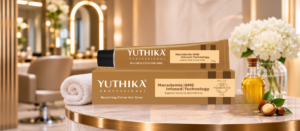
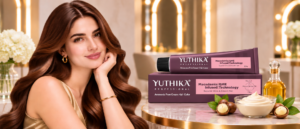
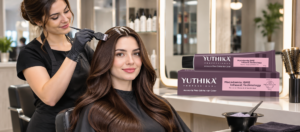
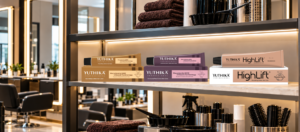
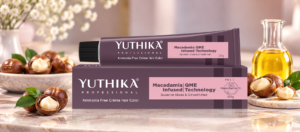
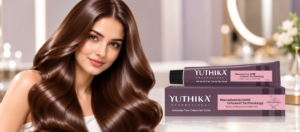
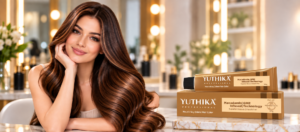
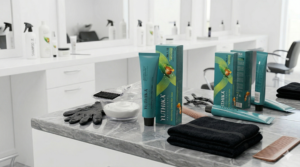
For salon services, Yuthika Professional Crème Hair Color offers professional coloring options designed for rich shades, uniform coverage, and radiant-looking shine.
The range includes nourishing formulations and ammonia-free options for different salon requirements.
Ammonia-Free Hair Color
Ammonia-free professional hair color may appeal to clients who prefer formulations without ammonia.
However, ammonia-free products can still cause irritation or allergic reactions. Salon professionals should always follow the manufacturer’s safety instructions.
Highlift Hair Color
Highlift hair color is designed to achieve lighter shades on suitable natural hair.
It is useful for salons offering selected blonde and light brown transformations.
Choosing the appropriate formula helps hairstylists provide personalized coloring services.
Step 3: Choose a Practical Range of Hair Color Shades
A professional salon should maintain a shade collection that matches its customer demand.
Instead of purchasing every available shade, begin with frequently requested colors.
Important shade categories include:
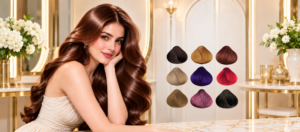
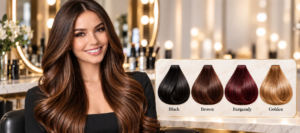
- Natural shades: Black, natural brown, and dark brown
- Warm shades: Chocolate brown, golden brown, and copper
- Cool shades: Ash brown and cool blonde
- Fashion shades: Burgundy, red, and violet
- Light shades: Blonde and highlift variations
Consider the natural hair colors, grey coverage needs, and preferred styles of your regular clients.
A well-planned shade collection helps reduce unused stock while ensuring popular colors remain available.
Step 4: Check Developer Compatibility and Mixing Requirements
Developer selection is an essential part of professional hair coloring.
Different developer strengths support different coloring goals.
Common developer options include:
- 10 Volume: Often used for depositing color or minimal lift
- 20 Volume: Commonly selected for grey coverage and standard permanent coloring
- 30 Volume: Used for greater lift on suitable hair
- 40 Volume: Reserved for specific professional lightening applications where permitted
The correct developer depends on the selected hair color formula, natural hair level, and desired result.
Salon owners should purchase compatible developers and ensure hairstylists follow the recommended mixing ratios and processing instructions.
Incorrect developer selection can affect color accuracy, coverage, and hair condition.
Step 5: Evaluate Hair Color Quality and Conditioning Ingredients
Professional hair color should provide attractive results while considering the condition of the client’s hair.
Look for formulations that support:
- Even pigment distribution
- Smooth application
- Rich and consistent shades
- Hair softness and manageability
- A glossy-looking finish
Some professional crème hair colors contain conditioning ingredients that help improve the appearance and feel of colored hair.
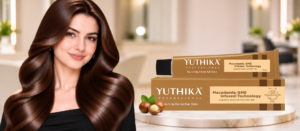
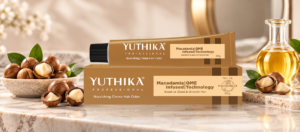
Yuthika Professional Nourishing Crème Hair Color features Macadamia Oil and advanced coloring technology designed to support vibrant color and smooth-looking results.
However, conditioning ingredients cannot completely prevent chemical damage. Proper consultation, formulation, and application remain essential.
Step 6: Include Specialized Hair Color for Premium Salon Services
Salons offering advanced coloring services should consider specialized products.
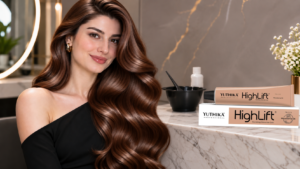
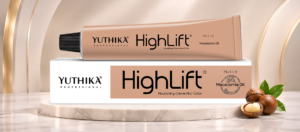
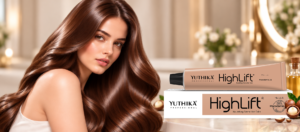
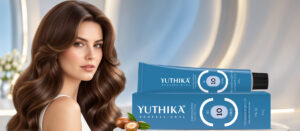
Yuthika Professional Highlift Hair Color is developed for controlled lightening and refined blonde results on suitable natural hair.
Specialized products can support services such as:
- Blonde hair transformations
- Selected lighter brown shades
- Advanced global coloring
- Customized salon color services
Previously colored or damaged hair may require different lightening techniques. Always assess hair history before selecting a highlift formula.
Offering specialized services can help salons expand their professional hair coloring menu.
Step 7: Compare Professional Hair Color Prices and Salon Costs
Product quality matters, but salon owners must also manage their operating expenses.
Before purchasing professional hair color in bulk, calculate the approximate product cost per service.
Consider the following factors:
- Hair color tube price and quantity
- Developer consumption
- Average product usage per client
- Product wastage
- Supplier reliability
- Availability of frequently used shades
A lower purchase price does not always mean better value.
A product that supports predictable application and consistent results may help reduce unnecessary product usage and corrective work.
Choose professional hair color products that balance quality, performance, and salon profitability.
Step 8: Choose a Reliable Professional Hair Color Supplier
A dependable supplier is important for maintaining uninterrupted salon services.
Before placing large orders, evaluate product availability, shade consistency, packaging condition, and delivery reliability.
Salon owners should also check product authenticity, expiry dates, storage requirements, and access to technical information.
A supplier offering a complete professional coloring range can make purchasing and inventory management easier.
The Yuthika Professional Hair Color Collection includes crème hair color, highlift options, and other professional coloring solutions for different salon requirements.
Step 9: Test Products Before Making Bulk Purchases
Before investing in a large quantity of professional hair color, evaluate selected products through controlled salon trials.
Conduct Professional Strand Tests
Strand testing helps hairstylists assess color development, lift, and the possible final shade.
Follow the manufacturer’s allergy alert testing instructions separately, and do not use a strand test as a substitute for allergy precautions.
Evaluate Application Performance
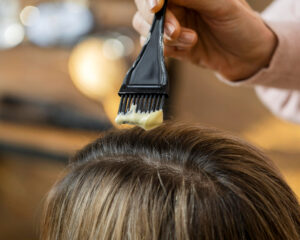
Check mixing consistency, ease of application, coverage, processing requirements, and final color appearance.
Collect Client Feedback
Review customer satisfaction, color maintenance, and the appearance of hair after coloring.
These observations can help salon owners make more informed purchasing decisions.
Step 10: Maintain Proper Hair Color Inventory
Good inventory management helps salons avoid unnecessary spending and product shortages.
Keep a record of frequently used shades, developer quantities, expiry dates, and monthly product consumption.
Use older stock first when appropriate, store products according to manufacturer instructions, and review inventory regularly.
Maintaining an organized professional hair color collection supports smoother salon operations and more reliable customer service.
Frequently Asked Questions (FAQs)
1. Which professional hair color is best for salon owners?
The best professional hair color depends on the salon’s services, customer requirements, shade selection, and budget. Permanent crème hair color is a versatile choice for regular coloring and grey coverage.
2. What should salon owners check before buying professional hair color?
Salon owners should evaluate formula quality, shade availability, developer compatibility, mixing instructions, product costs, supplier reliability, and application performance.
3. Is professional crème hair color suitable for grey coverage?
Yes. Permanent professional crème hair color is commonly used for grey coverage. Results depend on the formula, selected shade, developer, grey percentage, and application technique.
4. How many hair color shades should a salon stock?
There is no fixed number. Salons should begin with frequently requested natural, brown, and fashion shades, then expand their collection according to customer demand.
5. Why is professional hair color important for salon services?
Professional hair color gives trained hairstylists greater control over shade selection, formulation, and application, helping them create customized results for different clients.
Make Smarter Professional Hair Color Buying Decisions
Selecting the right professional hair color is essential for building a reliable and successful salon coloring service.
Salon owners should focus on formula quality, shade selection, developer compatibility, supplier reliability, and overall service costs.
A balanced professional hair color collection helps hairstylists provide beautiful, consistent, and long-lasting results while maintaining efficient salon operations.
With thoughtful purchasing decisions and proper professional techniques, salons can improve customer satisfaction, strengthen their coloring services, and build long-term client relationships.

 Yuthika Professional Crème Hair Color
 Yuthika Highlift
 Evano Beard Color Creme
 CosGlam
 Yuthika Ultracare Range
 Yuthika Vertix Range
 Yuthika Argan Oil
 Nish Daily Care Range