How to Choose Professional Hair Color for Indian Hair
Choosing the right professional hair color can completely transform your appearance. Whether you want to cover grey hair, enhance your natural shade, or try a new look, selecting the right hair color is important for achieving beautiful, long-lasting results.
Indian hair is often naturally dark, with black and brown shades being common. However, hair texture, thickness, condition, and natural undertones vary from person to person. This makes choosing the right hair color formula and shade essential.
In this guide, we will explain how to choose the best professional hair color for Indian hair, understand different shades, and maintain a smooth, shiny, salon-like finish.
Why Choosing the Right Professional Hair Color Matters
Professional hair color offers flexibility in shade selection, developer strength, and application techniques. When used correctly, it can help achieve consistent color and a polished finish.
The main benefits include:
- Rich and vibrant hair color shades.
- Effective grey hair coverage.
- Even color from roots to ends.
- Long-lasting color results.
- Customized shades for different hair types.
- Smooth, shiny, and healthy-looking hair.
Choosing a suitable formula also helps reduce unnecessary processing and maintain the appearance of your hair.
1. Understand Your Natural Indian Hair Color
Before selecting any professional hair color, identify your natural hair shade.
Most Indian hair falls within darker color levels, ranging from natural black to medium brown. Your starting shade influences the final result.
Natural Black Hair
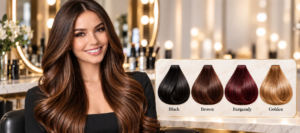
Natural black hair works well with dark brown, espresso brown, burgundy, and other deep shades. Achieving noticeably lighter colors may require professional lightening.
Dark Brown Hair
Dark brown hair provides a suitable base for chocolate brown, mahogany, caramel brown, and warm brown shades.
Previously Colored Hair
Previously colored hair requires extra attention because existing artificial pigments can affect the new shade. A professional stylist can assess whether color correction or lightening is needed.
2. Choose Hair Color According to Indian Skin Tone
Selecting a flattering shade is an important part of choosing the best hair color for Indian hair.
Hair Color for Fair Skin Tones
Fair skin tones can complement several shades, including:
- Light brown
- Golden brown
- Chocolate brown
- Burgundy
These colors can create a soft, balanced appearance.
Hair Color for Wheatish Skin Tones
Wheatish skin tones often pair beautifully with:
- Dark chocolate brown
- Mahogany
- Caramel brown
- Copper brown
These shades can add richness and dimension.
Hair Color for Dusky Skin Tones
Dusky skin tones can look striking with:
- Espresso brown
- Natural black
- Deep burgundy
- Rich chocolate brown
Skin undertone and personal preference are more useful than skin depth alone when choosing a final shade.
3. Select the Right Type of Professional Hair Color
Different types of hair color are designed for different needs.
Permanent Hair Color
Permanent hair color is suitable for long-lasting changes and grey coverage. It works through an oxidative coloring process and is commonly used in professional salons.
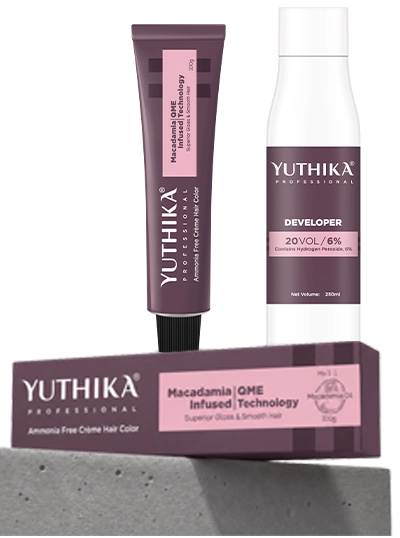
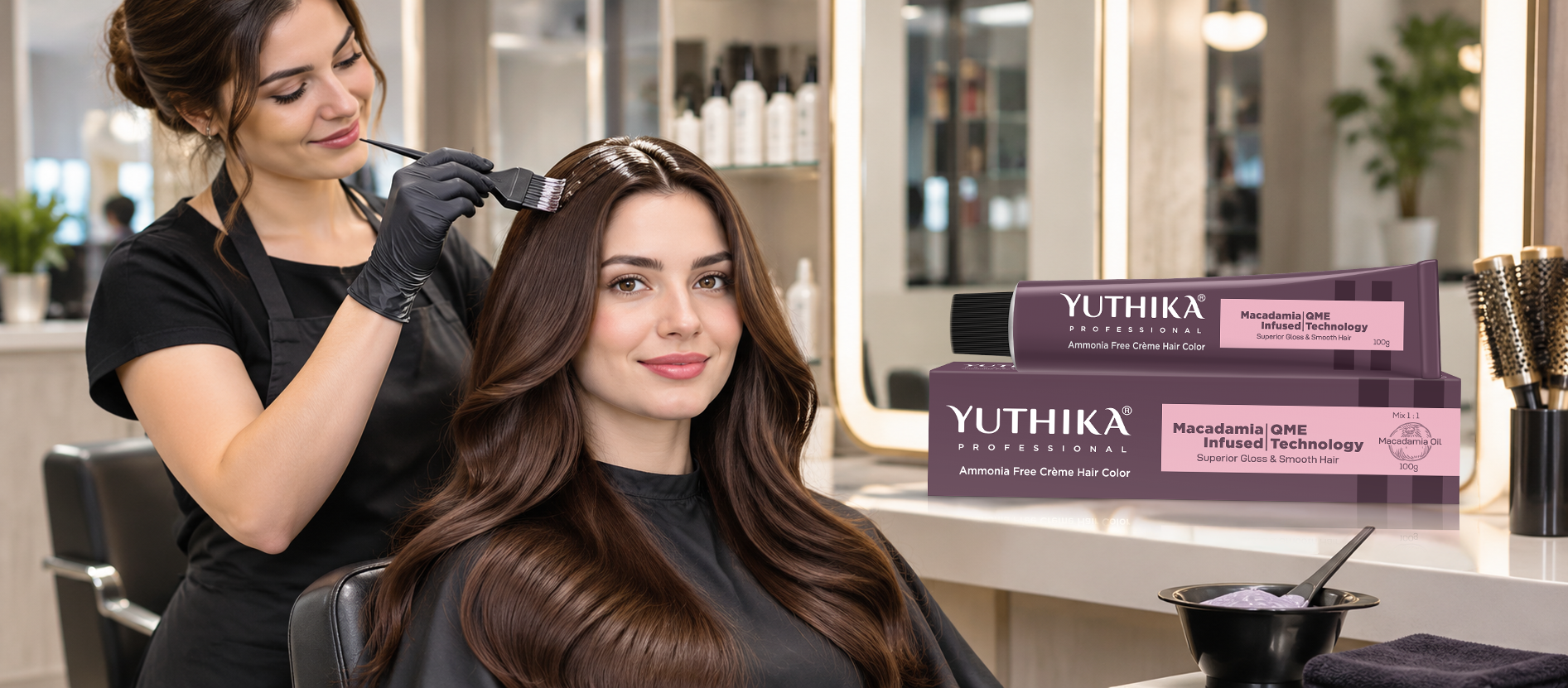
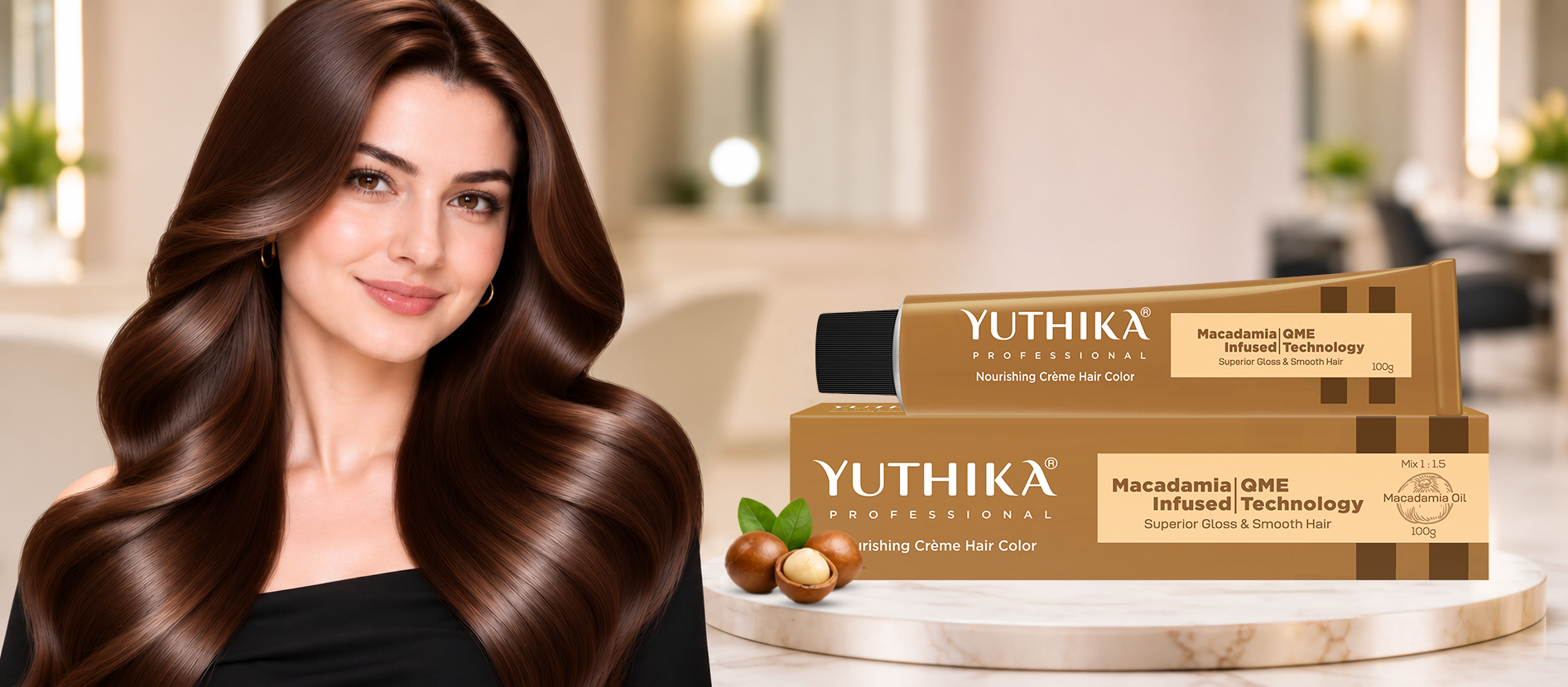
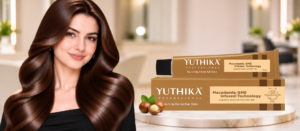
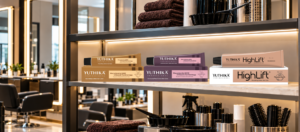
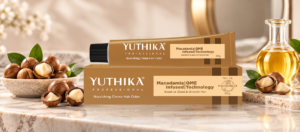
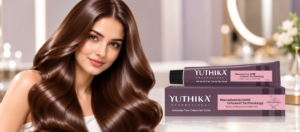
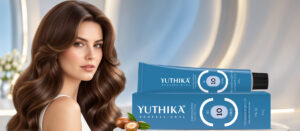
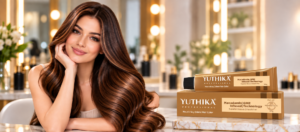
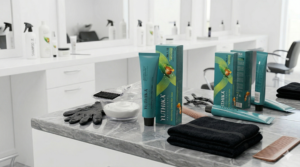
For natural-looking results, Yuthika Professional Crème Hair Color offers professional coloring options designed for rich, even coverage and radiant shine.
Semi-Permanent Hair Color
Semi-permanent hair color is suitable for temporary transformations and refreshing existing shades. It gradually fades with washing and generally offers limited grey coverage.
Ammonia-Free Hair Color
Ammonia-free hair color uses alternative alkalizing ingredients. It can be suitable for people who prefer formulas without ammonia, although it is not automatically damage-free or irritation-free.
The correct choice depends on your desired shade, hair condition, and coloring requirements.
4. Choose Professional Hair Color for Grey Coverage
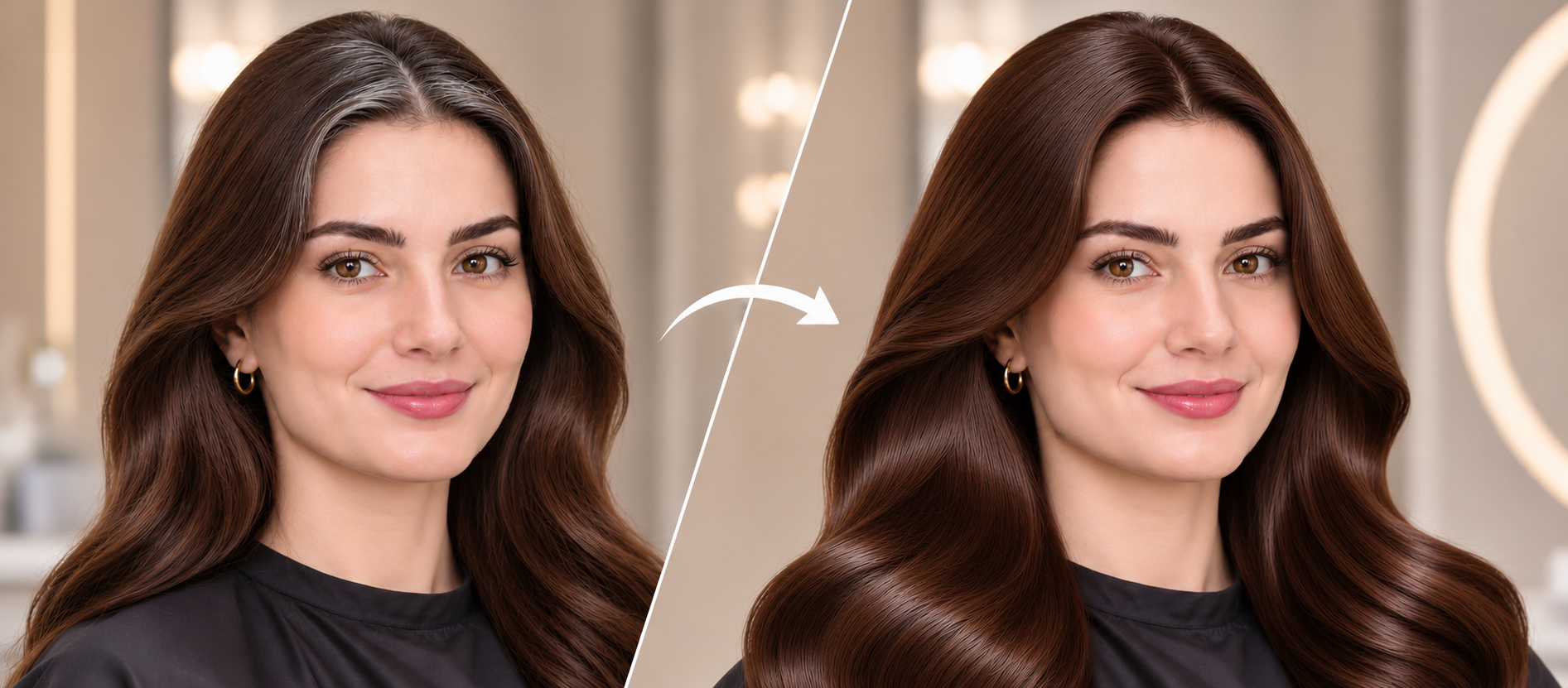
Grey hair coverage is one of the main reasons people choose professional hair color.
For effective results, consider the percentage of grey hair and your preferred shade.
For a Few Grey Strands
Choose a shade close to your natural hair color. Dark brown and natural black can help blend grey strands with existing hair.
For Moderate Grey Hair
Permanent crème hair color with an appropriate natural shade can provide more consistent coverage.
For High Grey Hair Percentage
Choose a professional permanent formula specifically designed for grey coverage. Resistant grey hair may require customized application and processing.
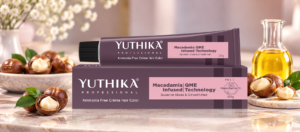
Yuthika Professional, Ammonia-Free Crème Hair Color is formulated for complete grey coverage, with Macadamia Oil and conditioning agents to support softness and shine. Actual coverage depends on correct application and individual hair characteristics.
5. Consider Your Hair Texture and Condition
Indian hair can be straight, wavy, curly, fine, or thick. Hair condition influences how color develops and how the finished shade appears.
Thick and Coarse Hair
Thick hair may require careful sectioning and thorough product saturation for even results.
Fine Hair
Fine hair may process differently from coarse hair. A professional should assess the appropriate formula and processing time.
Dry or Damaged Hair
Dry, porous, or chemically treated hair needs additional care. Deep conditioning and professional assessment can help determine whether coloring should be postponed.
Avoid excessive lightening on fragile hair.
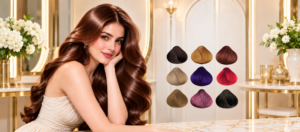
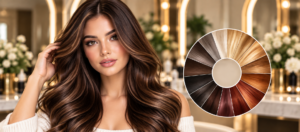
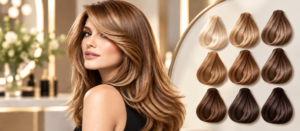
6. Select the Best Professional Hair Color Shades
Choosing the right shade depends on whether you prefer a natural or fashionable look.
| Hair Color Shade | Ideal Look |
| Natural Black | Classic and natural |
| Dark Brown | Soft and sophisticated |
| Chocolate Brown | Rich and elegant |
| Burgundy | Bold and stylish |
| Mahogany | Warm and dimensional |
| Ash Brown | Cool and modern |
| Caramel Brown | Soft and vibrant |
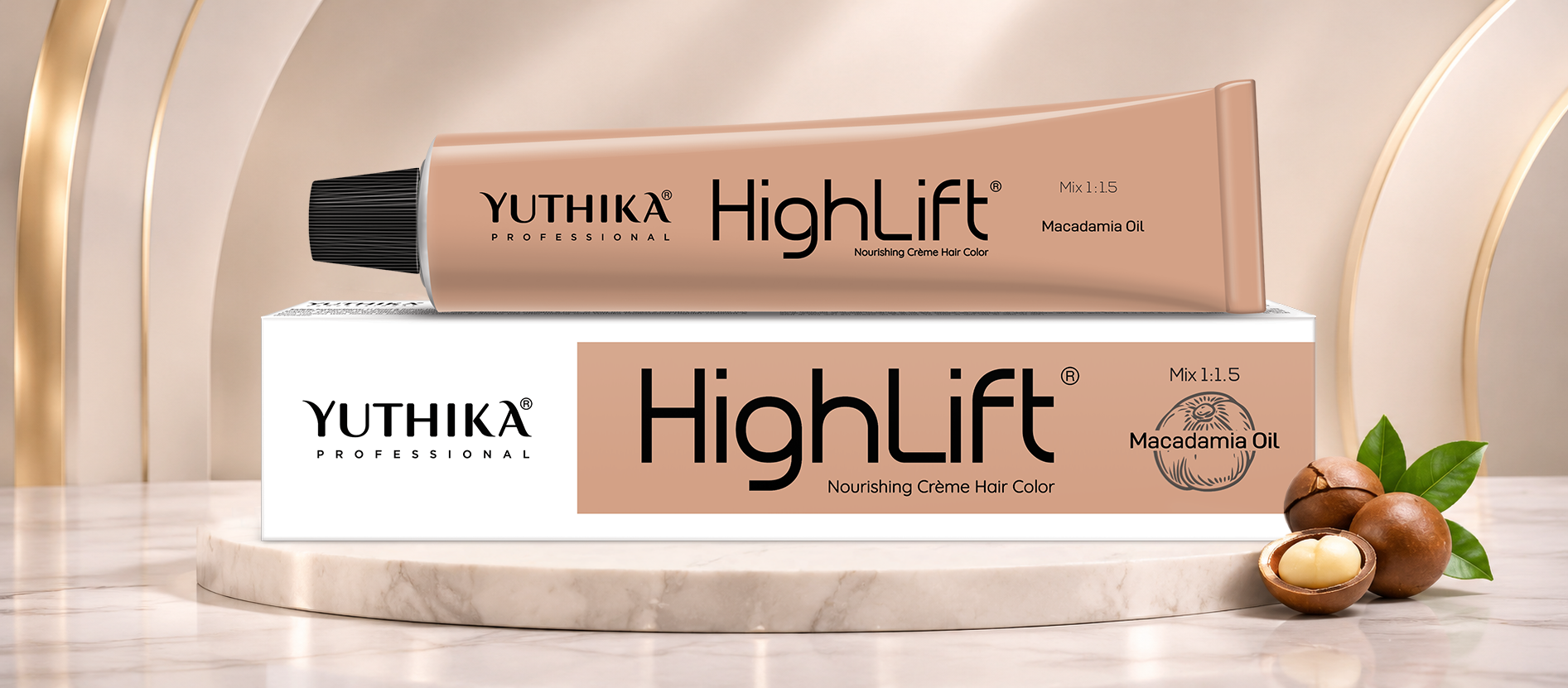
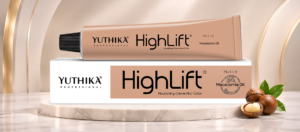
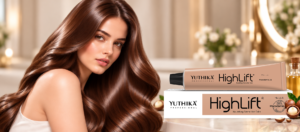
For lighter transformations, Yuthika Professional Highlift Hair Color includes blonde and light brown shades designed for professional lightening services.
High-lift color is not suitable for every starting shade or previously colored hair. A stylist should evaluate the hair before treatment.
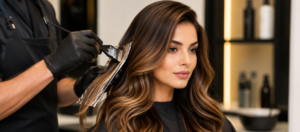
7. Follow the Correct Professional Hair Coloring Process
Correct application is essential for achieving even hair color.
- Hair consultation: Check natural color, hair condition, and previous treatments.
- Allergy alert test: Follow the product’s required test instructions before coloring.
- Strand test: Check how the selected shade develops.
- Mixing: Combine the hair color and recommended developer according to product instructions.
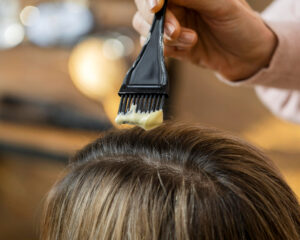
- Application: Divide hair into sections and apply evenly.
- Processing: Follow the exact processing time specified by the manufacturer.
- Rinsing: Rinse thoroughly and condition as directed.
Professional lightening and complex color changes should be performed by trained stylists.
8. Maintain Professional Hair Color for Longer
Proper aftercare helps maintain vibrant color and a smooth appearance.
Follow these simple tips:
- Use shampoo formulated for colored hair.
- Avoid unnecessarily frequent washing.
- Condition your hair regularly.
- Limit excessive heat styling.
- Protect hair from prolonged sun exposure.
- Schedule root touch-ups when required.
You can also choose suitable products from the Yuthika Professional Hair Care Collection to support your post-color hair care routine.
Frequently Asked Questions (FAQs)
1. Which professional hair color is best for Indian hair?
The best professional hair color depends on natural hair shade, texture, grey percentage, and desired results. Dark brown, chocolate brown, and natural black are popular choices for natural-looking color.
2. Which hair color shades suit Indian skin tones?
Chocolate brown, mahogany, burgundy, caramel brown, and espresso brown can complement different Indian skin tones. Choosing according to undertone helps achieve balanced results.
3. Can professional hair color cover 100% grey hair?
Certain permanent professional hair color formulas are designed for complete grey coverage. Results depend on grey hair resistance, shade selection, developer, and correct application.
4. Is ammonia-free professional hair color suitable for Indian hair?
Yes. Ammonia-free professional hair color can be used on Indian hair when the formula matches the desired result. However, an allergy test and proper application remain important.
5. How long does professional hair color last?
Permanent hair color remains in the colored hair, but fading and root regrowth become visible over time. Many people consider root touch-ups after approximately four to six weeks, depending on hair growth and shade contrast.
Choose the Right Professional Hair Color for Beautiful Indian Hair
Choosing the best professional hair color for Indian hair becomes easier when you understand your natural shade, skin undertone, hair condition, and grey coverage needs.
From classic black and rich brown to burgundy and fashionable lighter shades, professional hair color offers many possibilities for personalized results.
With the right formula, skilled application, and proper aftercare, you can achieve beautiful, even, long-lasting hair color with a polished salon-like finish.

 Yuthika Professional Crème Hair Color
 Yuthika Highlift
 Evano Beard Color Creme
 CosGlam
 Yuthika Ultracare Range
 Yuthika Vertix Range
 Yuthika Argan Oil
 Nish Daily Care Range