How to Read a Professional Hair Color Chart
How to Read a Professional Hair Color Chart: Complete Guide
Choosing a hair color may look simple until you open a professional hair color chart. Suddenly, you see numbers, letters, levels, tones and dozens of shades that may appear very similar.
For professional hairstylists, however, a professional hair color chart is one of the most important tools for creating accurate and predictable color results.
It helps identify how light or dark a shade is, what underlying tone it contains and how different colors may work on a client’s existing hair.
Whether you are a salon professional, hairstylist, beauty student or simply interested in understanding professional hair color better, learning how to read a hair color chart can make shade selection much easier.
This guide explains the basics of professional hair color charts, including color levels, tones, shade numbers and other factors that influence the final hair color result.
What Is a Professional Hair Color Chart?
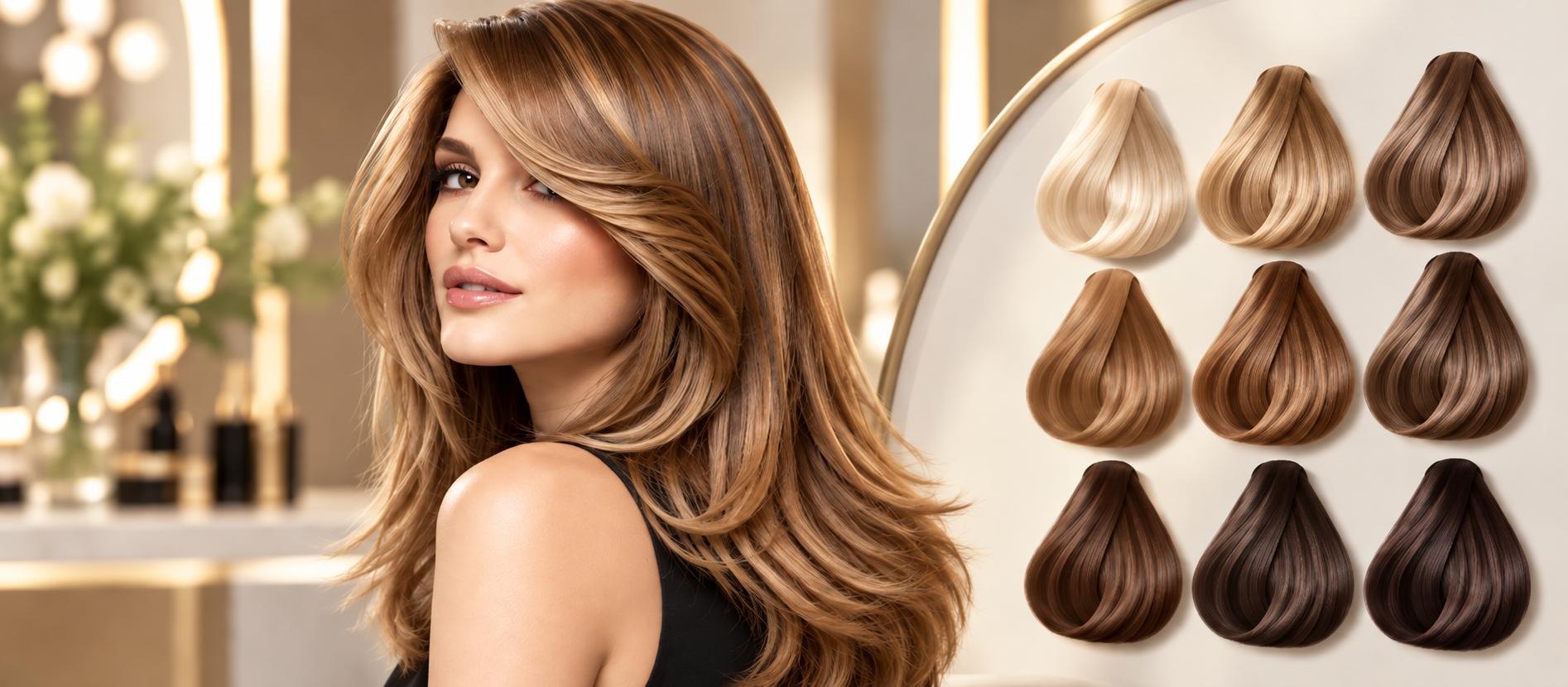
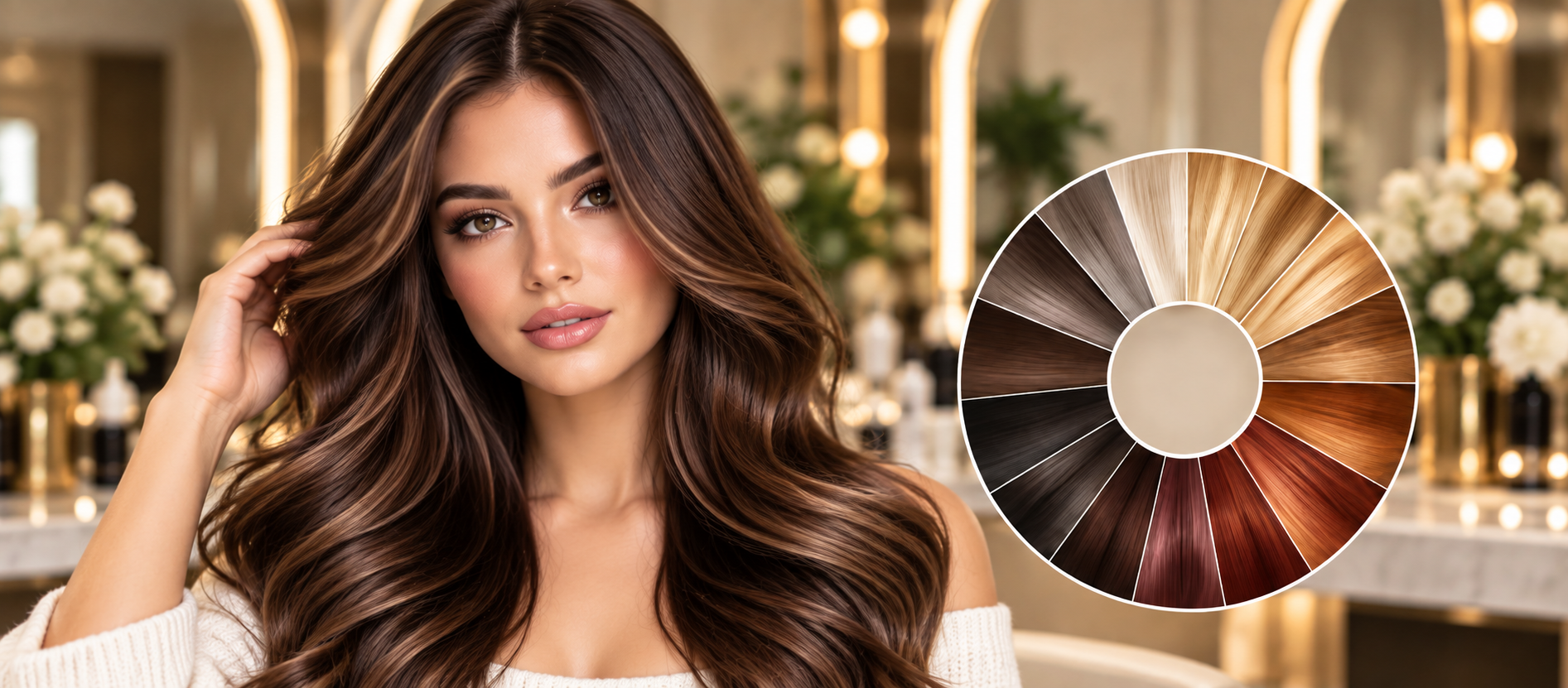
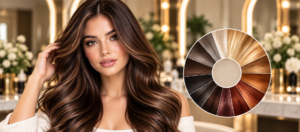
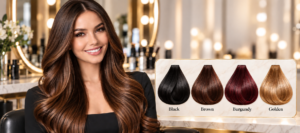
A professional hair color chart is a reference system used to organize hair colors according to their depth, level and tone.
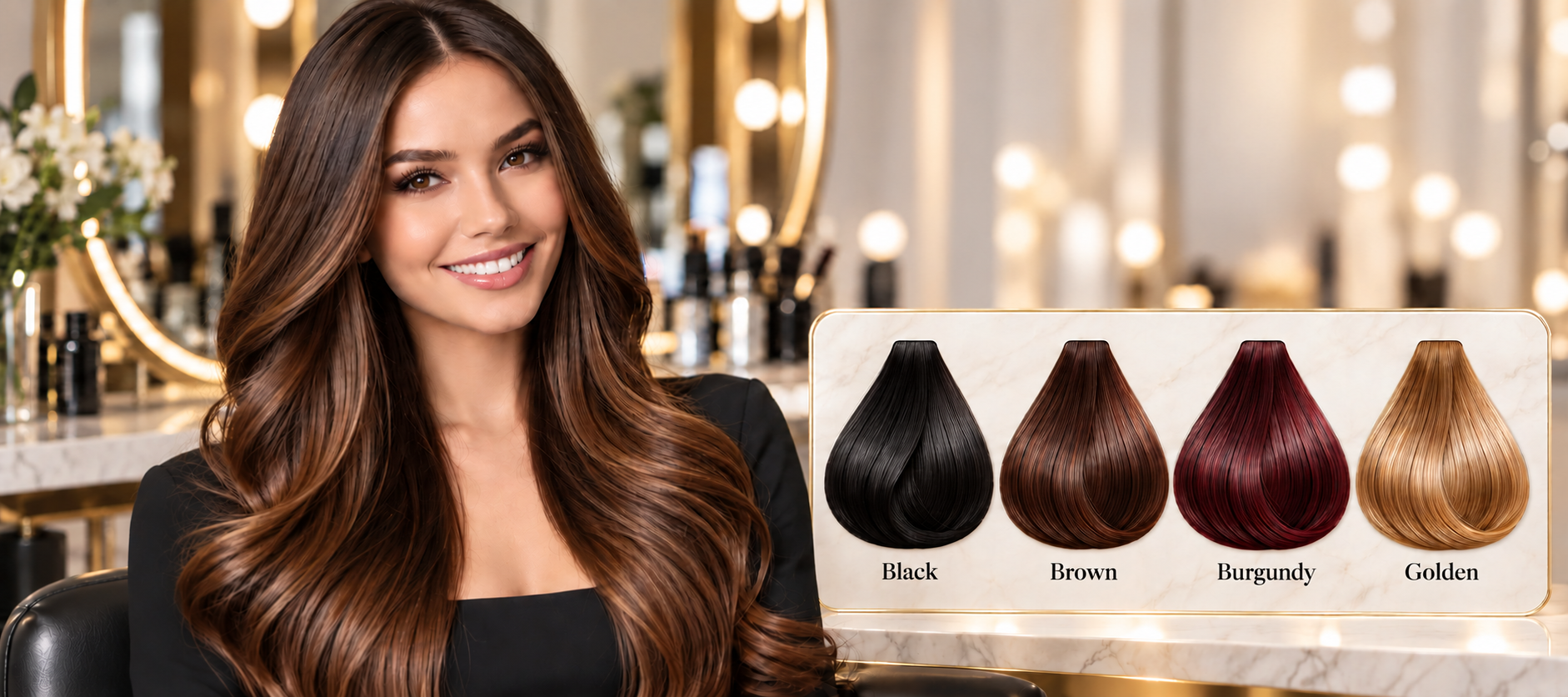
Instead of describing every shade simply as black, brown, red or blonde, professional color systems use numbers and sometimes letters to identify colors more accurately.
For example, two shades may both appear to be brown, but one may contain a warm golden tone while another has a cooler ash tone.
Understanding these differences allows hairstylists to select hair color more precisely.
A professional hair color chart is commonly used when planning:
- Grey coverage
- Global hair color
- Root touch-ups
- Highlights
- Low lights
- Color correction
- Tonal changes
- Fashion coloring
- Lightening and darkening services
The exact numbering system may vary slightly between professional hair color brands, so stylists should always refer to the manufacturer’s shade chart before mixing or applying a color.
Understanding Hair Color Levels
The first part of reading a professional hair color chart is understanding the level system.
Hair color levels describe how light or dark a shade is.
In many professional color systems, levels generally progress from darker shades to lighter shades.
A simplified example may look like:
Level 1 – Black
Level 2 – Very Dark Brown
Level 3 – Dark Brown
Level 4 – Medium Brown
Level 5 – Light Brown
Level 6 – Dark Blonde
Level 7 – Medium Blonde
Level 8 – Light Blonde
Level 9 – Very Light Blonde
Level 10 – Lightest Blonde
The lower the number, the deeper or darker the color usually is. As the number increases, the hair color generally becomes lighter.
This system allows a professional stylist to communicate color depth more precisely than simply saying “brown” or “blonde.”
What Are Hair Color Tones?
Once you understand the level, the next step is identifying the tone.
Tone refers to the color character visible within the primary shade.
Hair color tones are generally divided into three broad groups:
Warm Tones
Warm hair colors may contain undertones such as:
- Gold
- Copper
- Red
- Orange
- Mahogany
These tones can create warmth, richness and dimension in the hair.
Cool Tones
Cool shades may include:
- Ash
- Blue
- Violet
- Pearl
- Cool beige
Cool tones are commonly used when a stylist wants to reduce or balance unwanted warmth.
Neutral Tones
Neutral shades sit between warm and cool.
They are particularly important in professional coloring because natural or neutral shades are often used for balanced results and grey coverage.
How Hair Color Numbers Work
Many professional hair colors use a combination of numbers to describe the shade.
You may see shades written as:
5.0
6.1
7.3
8.4
Although numbering systems vary by manufacturer, the number before the decimal or separator commonly represents the depth or level.
For example:
5.0
The number 5 may represent the depth level, while the number after the decimal indicates the tonal direction.
Therefore, understanding both parts of the shade code is important.
A Level 5 natural brown and a Level 5 ash brown may have the same depth but produce noticeably different tonal results.
Always check the specific brand’s professional shade guide because tone numbering is not completely universal.
Primary and Secondary Tones
Some professional hair colors contain more than one tonal direction.
For example, a shade code might contain two numbers after the level.
The first tone usually represents the dominant reflection, while the second may indicate a secondary tone.
This allows professional colorists to work with highly specific shades rather than basic categories.
A brown shade could therefore have a combination of:
- Golden and copper tones
- Ash and violet tones
- Red and violet tones
- Natural and golden tones
These combinations create greater depth and dimension in the final color.
What Is Natural Hair Level?
Before selecting professional hair color, a stylist should identify the client’s natural hair level.
This means evaluating how dark or light the uncolored hair currently is.
For example, if the client’s natural hair is approximately Level 4 and the desired result is Level 7, the stylist needs to consider that the hair must be lightened by several levels.
If the desired shade is darker than the natural hair, the coloring process will be different.
Knowing the starting level helps determine:
- How much lift is required
- Which shade should be selected
- What developer may be suitable
- Which underlying pigments may appear
- Whether per-lightening is necessary
Hair color should therefore never be selected only by looking at the final shade swatch.
Understanding Underlying Pigments
Underlying pigment is another important part of professional hair coloring.
As darker natural hair becomes lighter, warm underlying pigments may become visible.
Depending on the starting level and amount of lift, these may appear as red, orange, yellow-orange or yellow tones.
Professional hairstylists consider these pigments when planning a color formula.
For example, if unwanted warmth appears during lightening, the stylist may select an appropriate tonal direction to balance the result.
This brings us to another important concept: the color wheel.
Why the Color Wheel Matters in Professional Hair Color
The color wheel helps professionals understand how different colors interact.
Opposite colors can help neutralize each other.
Common examples include:
Blue helps balance orange.
Violet helps balance yellow.
Green helps balance red.
This principle is particularly useful during color correction, blonding and toning services.
For example, simply choosing an ash shade without evaluating the client’s existing tone may not always produce the expected result.
A professional colorist evaluates the existing hair, the exposed underlying pigment and the desired final result before deciding how much neutralization is required.
Hair Color Chart vs Actual Hair Result
One common misunderstanding is assuming that the color swatch on a professional hair color chart guarantees exactly the same result on every client.
It does not.
The final color can be affected by several factors, including:
- Natural hair level
- Existing artificial color
- Percentage of grey hair
- Hair porosity
- Hair condition
- Previous chemical treatments
- Underlying pigment
- Developer strength
- Processing time
- Color formulation
This is why two clients using the same professional hair color shade may achieve slightly different results.
The shade chart should be treated as an important reference rather than an absolute prediction.
Reading a Hair Color Chart for Grey Coverage
Grey hair requires special consideration when selecting professional hair color.
Before creating a formula, professionals should evaluate approximately how much grey hair is present.
For example, the approach for someone with a small amount of scattered grey may differ from someone with a high percentage of resistant grey hair.
Natural or neutral shades often play an important role in professional grey coverage formulas because they can help create balanced and natural-looking coverage.
The exact formula should always depend on the manufacturer’s instructions, desired shade, hair condition and percentage of grey.
How to Choose a Shade from a Professional Hair Color Chart
When choosing a professional hair color, follow a systematic approach.
1. Identify the Starting Level
Determine the client’s current natural and artificial hair color.
2. Define the Desired Level
Decide whether the goal is to maintain, darken or lighten the hair.
3. Examine Existing Tones
Look for visible warmth, coolness or previously deposited artificial pigment.
4. Identify the Desired Tone
Decide whether the finished result should be neutral, warm, cool, golden, copper, red, ash or another tonal direction.
5. Evaluate Grey Percentage
Grey percentage can significantly influence shade and formula selection.
6. Check Hair Condition
Porous, damaged or chemically treated hair may react differently from healthy hair.
7. Consult the Brand’s Shade Chart
Professional numbering systems and formulation recommendations can vary, so always follow the instructions provided for the professional hair color range being used.
Common Mistakes When Reading a Hair Color Chart
Even experienced users can make mistakes when interpreting shade charts.
One common mistake is choosing a shade only because the swatch looks attractive.
Another is ignoring the client’s existing hair color.
Professional colorists should also avoid assuming that identical shade numbers mean exactly the same tone across every hair color brand.
Other common mistakes include:
- Ignoring underlying pigment
- Misjudging natural hair level
- Forgetting previous artificial color
- Choosing developer without considering the required result
- Ignoring hair porosity
- Expecting a swatch to look identical on every client’s hair
A proper consultation and hair analysis should always come before formulation.
Why Professional Hair Color Charts Matter in Salons
A professional hair color chart does much more than display available shades.
It creates a common language between the stylist, salon team and client.
Rather than discussing vague descriptions such as “slightly lighter brown,” professionals can use levels and tones to define the desired result more accurately.
It can also help salons maintain greater consistency during repeat appointments.
When a stylist records the client’s starting level, selected shade, tone, developer and processing details, recreating or adjusting the formula at future appointments becomes much easier.
Learning how to read a professional hair color chart is an essential skill for anyone working with salon hair color.
Start by understanding the level system, then identify the tonal direction and evaluate the client’s existing hair. Consider natural level, underlying pigment, grey percentage, hair condition and previous chemical services before selecting the final shade.
Most importantly, remember that a hair color chart is a professional guide not a guarantee that every shade will appear exactly the same on every person.
With proper hair analysis, color theory and professional formulation, a shade chart becomes a powerful tool for creating accurate, customized and beautiful color results.
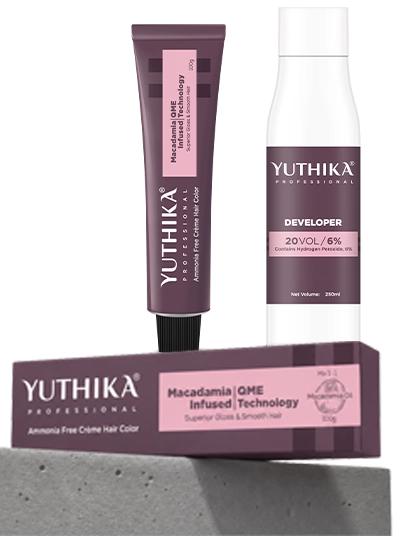
Yuthika Professional offers a professional hair color range created for salon professionals and modern hair coloring needs. Explore the Yuthika Professional hair color collection to discover shades and professional solutions designed for confident salon color services.

 Yuthika Professional Crème Hair Color
 Yuthika Highlift
 Evano Beard Color Creme
 CosGlam
 Yuthika Ultracare Range
 Yuthika Vertix Range
 Yuthika Argan Oil
 Nish Daily Care Range